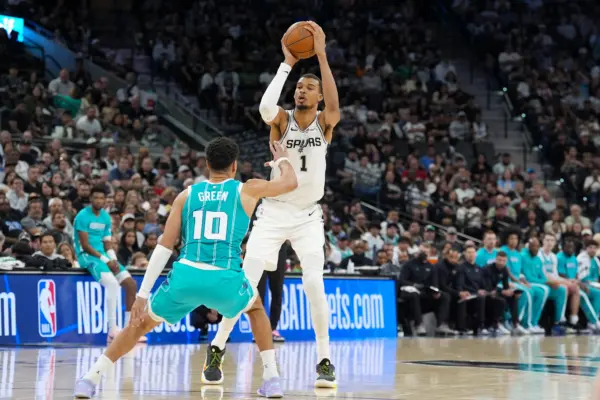

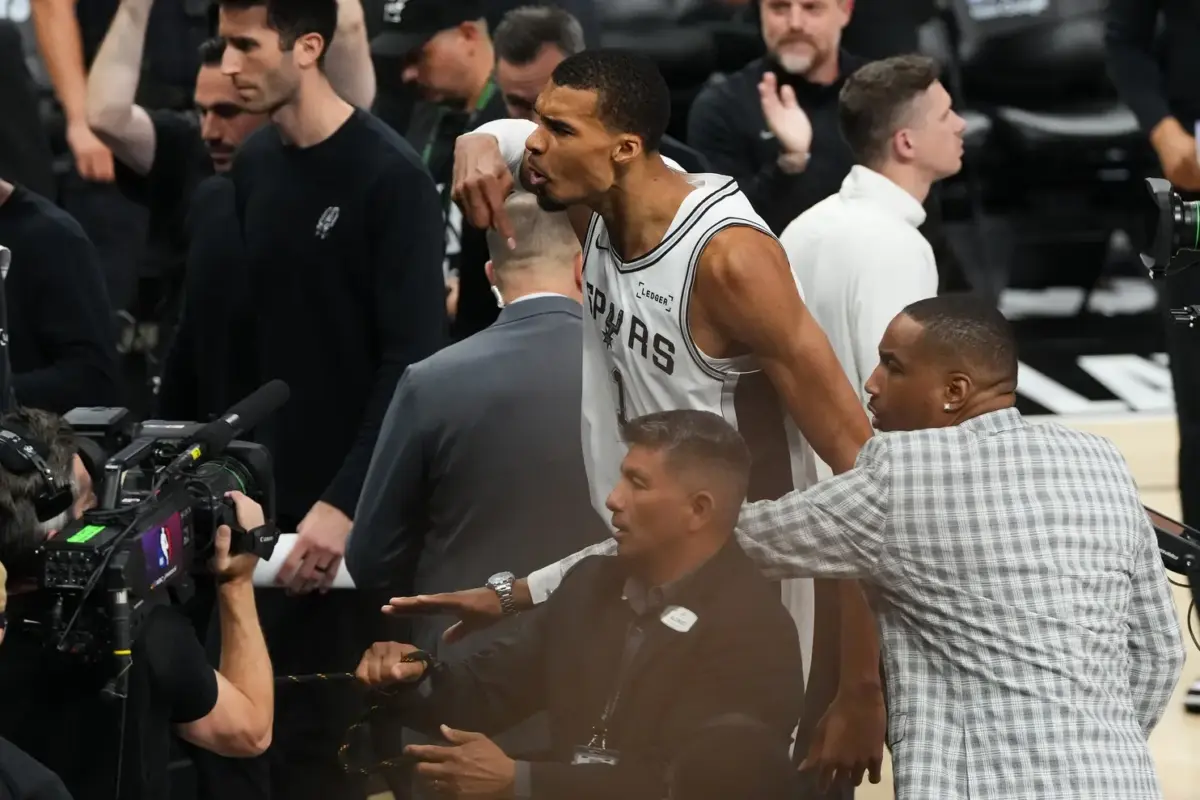

SAN ANTONIO — Victor Wembanyama’s All-NBA First Team snub sparks controversy as a single media ballot prevented the San Antonio Spurs phenom from becoming a unanimous selection following a historic 2025-26 campaign.
Victor Wembanyama’s All-NBA First Team Snub Sparks Controversy As 1 Voter Ignores Rules
Despite Victor Wembanyama turning in a season that earned him 99 out of 100 first-team votes—and the first-ever unanimous Defensive Player of the Year award—SiriusXM’s Justine Termine confirmed he was the lone dissenter who placed the star on the Second Team. Termine’s reasoning centers on a rigid adherence to traditional positional slots, a stance that has ignited a firestorm of debate given the NBA’s explicit shift to a positionless voting format.
The Logical Flaw in “Traditional” Voting
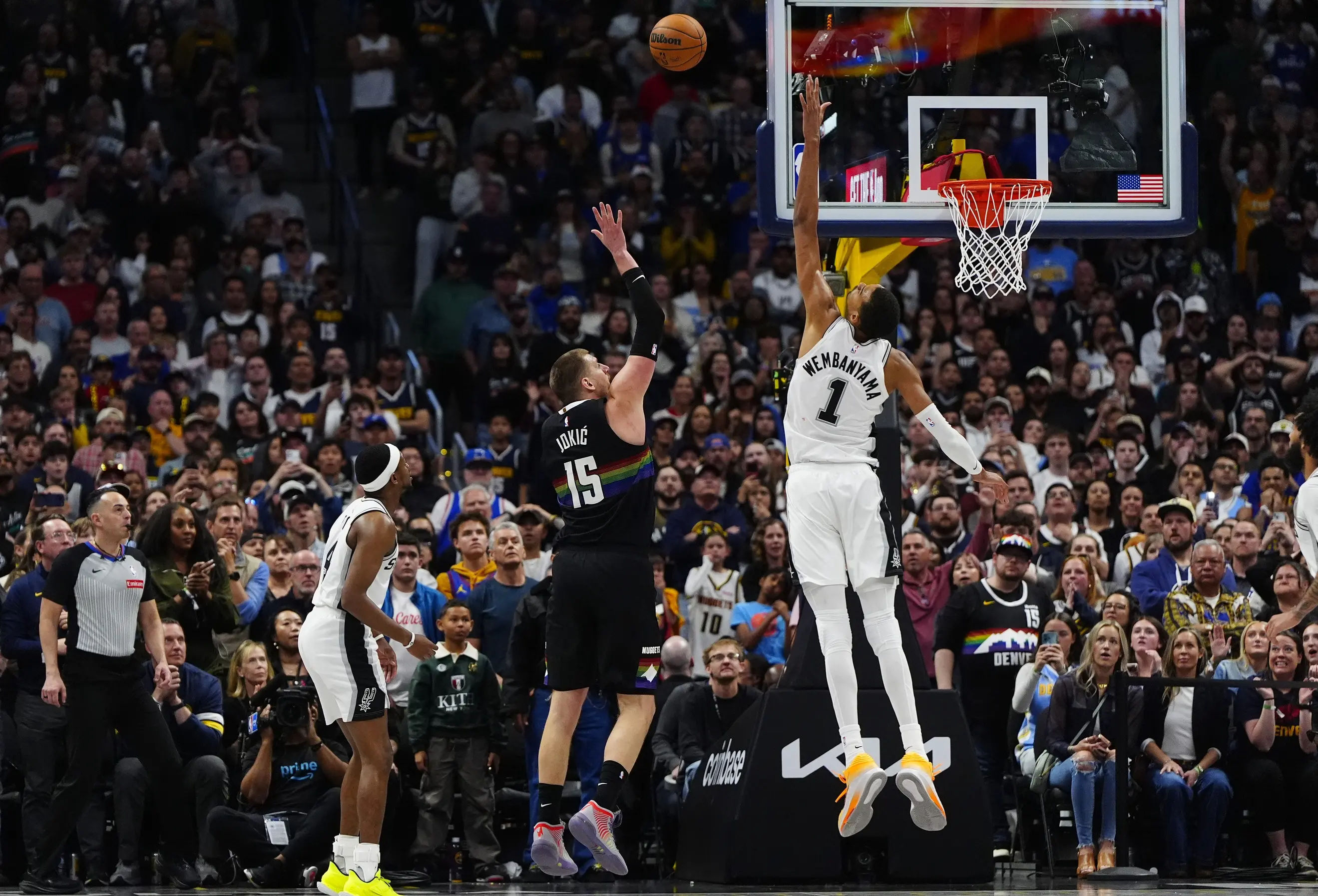
While Termine’s stance is presented as principled, the logical end of this philosophy in 2026 is difficult to justify. 99% of the voting body—including esteemed NBA historian Bill Simmons, who is notoriously protective of the league’s historical “hallway”—chose to embrace the current rules. Simmons and others recognized that the NBA’s transition to positionless All-NBA teams was a corrective measure designed to ensure the five most impactful players are honored, regardless of their labels.
Why I was the lone voter to leave Wemby off 1st Team All-NBA. pic.twitter.com/jWuwKdx46s
— Justin Termine (@TermineRadio) May 25, 2026
“So historically speaking, years from now people will look, and they’ll go, ‘Well, Wembanyama and Jokić made these many first teams, but why didn’t Patrick Ewing make this many?’” Termine remarked.
The identity of the league in the era he references was indeed built around rigid team structures, often decided by the players themselves until 1981. However, the game is now ubiquitously referred to as positionless, and the rules have been codified to reflect that. For a single voter to remain beholden to a defunct concept feels less like a respect for history and more like an attempt to “out-think” the room at the expense of accuracy. If the league has moved on, why should the history books be hampered by a standard that no longer exists?
Respecting History vs. Penalizing Greatness
Termine cites a desire to respect the “greats of the past” who were limited by positional quotas, such as Patrick Ewing famously missing First Team honors in 1994 behind Hakeem Olajuwon. While that historical context is valid, applying those same “punishments” to Wembanyama today does nothing to fix the errors of the 90s. Instead, it merely creates a new statistical anomaly for future historians to untangle.
By Termine’s own admission, Wembanyama is a top-three player in the world. In an era where a 7-foot-4 center can lead the league in blocks while shooting 40% from deep and orchestrating the fast break, positional labels are a relic. Even with the utmost benefit of the doubt, holding a player back because he shares a “category” with Nikola Jokić ignores the reality of the modern NBA. The First Team should represent the definitive peak of the sport; refusing to acknowledge the game’s evolution doesn’t preserve history—it ignores the present.
Credit:© Scott Wachter-Imagn Images