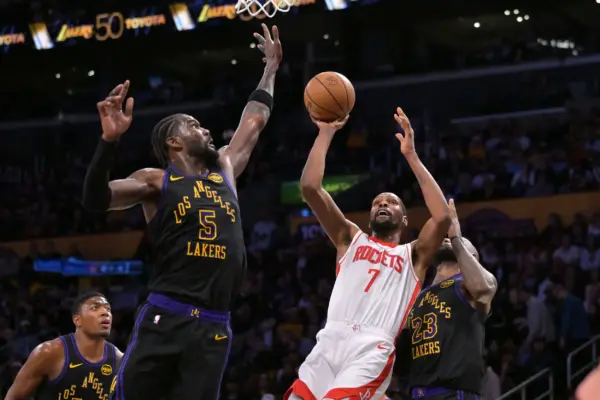

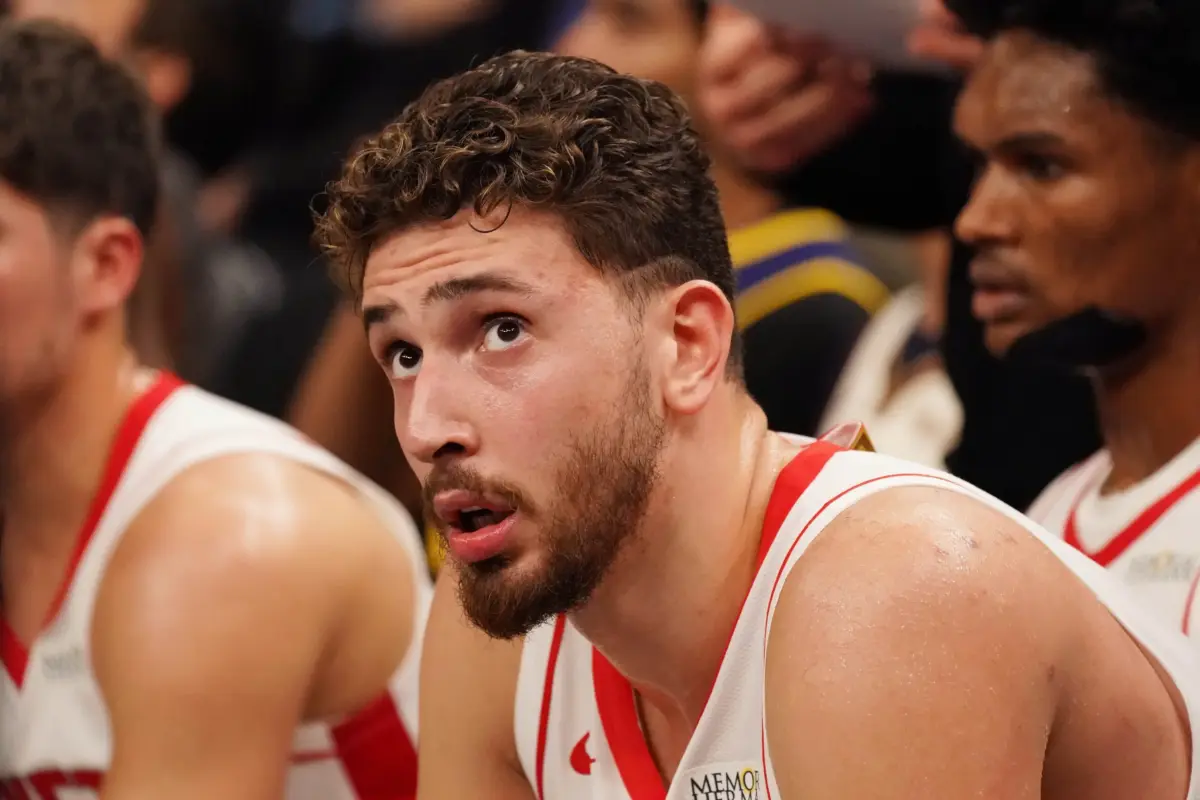

HOUSTON — Houston Rockets‘ future draft picks have placed the franchise in an enviable, borderline unfair position as the 2026 NBA offseason begins to simmer. While the rest of the league is frantically crunching numbers to avoid the second apron, Rafael Stone is sitting on a treasure chest that would make a dragon blush.
Rockets’ Future Draft Picks Could Gut The Suns and Nets To Build A Powerful Houston Dynasty By 2027
Look, we all knew Rafael Stone returning Brooklyn’s own picks in 2024 was a savvy move, but the real prize was always that unprotected 2027 Phoenix Suns first-rounder and the accompanying pick swap rights with the Brooklyn Nets. With the Suns competing in an ultra-competitive West and Brooklyn figuring out how to retool after a 20-win season, Houston is essentially holding two winning lottery tickets for the same drawing.
This is a calculated strategy for a looming salary cap crunch. We’ve seen the front office hand out significant extensions—Alperen Sengun is already on the books for his five-year, $185 million deal, and Jabari Smith Jr’s extension cost the Rockets $122 million last year. With Tari Eason looking at a massive payday this summer despite his restricted free agency, and Amen Thompson’s looming rookie-scale max (projections already floating around $231-251 million), Houston needs high-level contributors on rookie-scale contracts to keep this championship window cracked open especially given the depth of the Oklahoma City Thunder and San Antonio Spurs.
Flattened Odds Reward Multi-Asset Front Offices
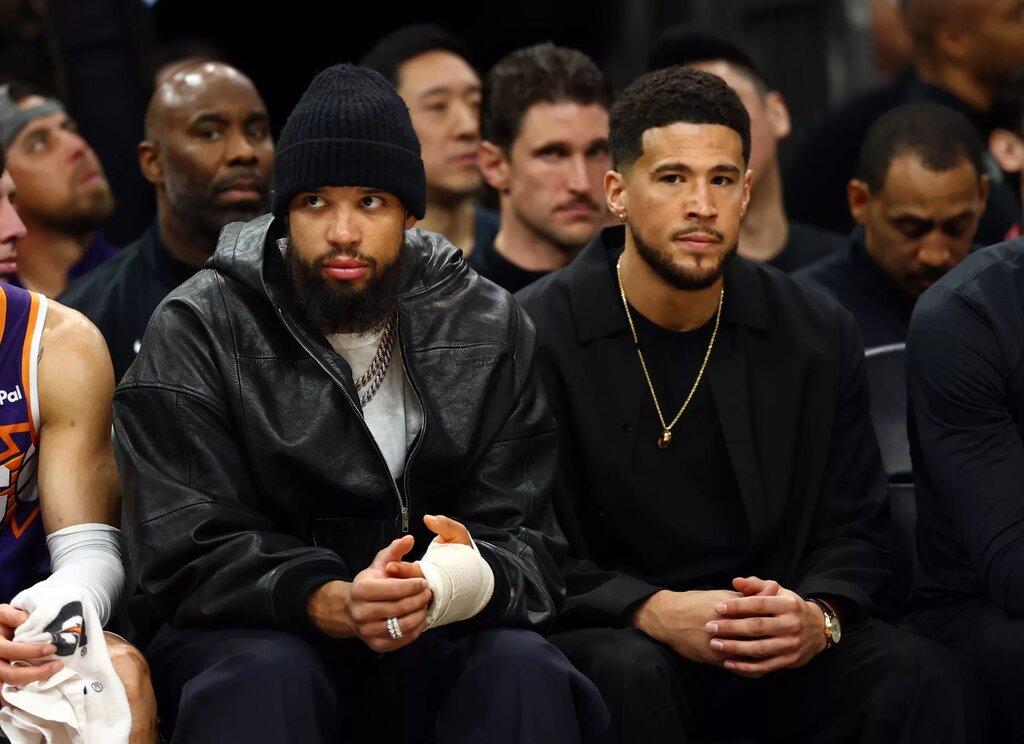
The timing of Houston’s asset maturity couldn’t be more perfect given the NBA’s new 3-2-1 lottery system. This isn’t your older brother’s lottery; the league has effectively flattened the odds to discourage blatant tanking, but it has inadvertently created a massive opportunity for teams holding “bad” teams’ picks. Under this new structure, teams finishing in the bottom three don’t have the ironclad grip on the top pick they used to. In fact, teams slotted between the 4th and 10th worst records now carry a robust 8.1% chance at the No. 1 overall pick.
Think about the sheer probability at play here. If Phoenix takes a step back this year or if Brooklyn’s rebuild hits another snag, Houston could have two separate entries in that 8.1% bucket. In the “old days,” you needed to be the absolute worst to have a prayer; now, just being “bad” gives you nearly the same mathematical shot as the basement dwellers. For a Rockets team that just finished a 52-win season, the prospect of adding a top-three talent while already being a top-five seed in the West is the kind of roster-building “glitch” that builds dynasties.
Roster Sustainability Against The Second Apron Barrier
The reality of the Rockets’ current situation is that they cannot keep everyone. Between the Sengun deal and the Jabari Smith Jr’s extension, the “cheap” years of this core are rapidly evaporating. By 2027, the combined salaries of Sengun, Smith, and a potential maxed-out Amen Thompson could easily consume almost 60% of the cap. This calculation doesn’t even account for Kevin Durant and Fred VanVleet. This is why those 2027 draft picks are so vital as the team pushes against the second apron.
Getting a top-five contributor on a four-year rookie contract allows Houston to potentially move off a more expensive veteran—perhaps even exploring a VanVleet restructure or a Durant trade further down the line—without losing a step in production. Contributors who can play 25 minutes a night for $10 million are the only way to survive the second apron.
While the Rockets don’t own a first-rounder in 2026, the 2027 cache—combining the Suns’ unprotected status and Brooklyn’s pick swap rights—means Houston could win a playoff series on Friday and win the lottery on Tuesday in May 2027.
If Phoenix finishes in the lottery of an ultra-competitive West, Rafael Stone could use the NBA draft to add a generational prospect to his core or trade for the final piece of a championship puzzle. Either way, the “Silver Platter” the Nets just handed over ensures the Rockets aren’t too far behind OKC and San Antonio.
Credit:© David Gonzales-Imagn Images