

The NCAA signed an eight-year, $920 million deal with ESPN in 2024. The deal included 40 championships, bundling the women’s March Madness tournament into a large package. Women’s basketball was valued at $65 million per year—nearly double the previous entire NCAA package. However, media experts believe the NCAA left millions on the table. Estimates valued the women’s tournament alone at $81 million to $112 million by 2024.
How The NCAA Can Fix Women’s March Madness Media Rights In 2032
Ratings exploded during the tournament, especially during the Caitlin Clark era. The 2024 national championship between Iowa and South Carolina averaged 18.9 million viewers. That number outdrew the men’s title game for the first time in history.
This success exposed flaws in the NCAA’s media strategy. The next negotiation cycle in 2032 offers a chance to fix them.
Unbundling Women’s Basketball Unlocks More Value
The NCAA must seriously consider unbundling women’s basketball from the other championships. Selling the women’s tournament as a standalone property will generate more competition and drive up the price.
Packaging it with less popular sports limits potential bidders. In 2024, only ESPN could reasonably handle the entire 40-championship package. That created a soft market with little negotiation leverage.
Experts argue that breaking women’s basketball away and creating additional bundles for softball, baseball, or volleyball could maximize revenue.
Streaming platforms like Amazon or Netflix may not want smaller sports but would pay for women’s basketball. Future bidders may include Apple, NBC, or YouTube TV—all looking for proven live sports content.
NCAA Sponsorship Model Must Change
Current NCAA rules require sponsors to buy men’s tournament deals before investing in women’s basketball. This policy blocks companies interested only in supporting the women’s tournament.
In 2032, the NCAA must allow brands to buy women’s March Madness sponsorships independently. Companies targeting female audiences or promoting women’s sports will immediately jump in.
Removing this hurdle will bring fresh dollars directly into women’s basketball.
Explore a Combined Final Four for Greater Impact
The NCAA should revisit the idea of hosting the men’s and women’s Final Fours in the same city. Although controversial, combining locations could boost visibility and revenue for women’s basketball.
Fans, media, and sponsors currently choose between events. A joint Final Four creates a festival atmosphere celebrating both tournaments equally.
Top commissioners like Val Ackerman and Gloria Nevarez supported testing this concept. The NCAA must at least pilot it during the next media cycle.
Capitalize on Women’s Basketball’s Star Power
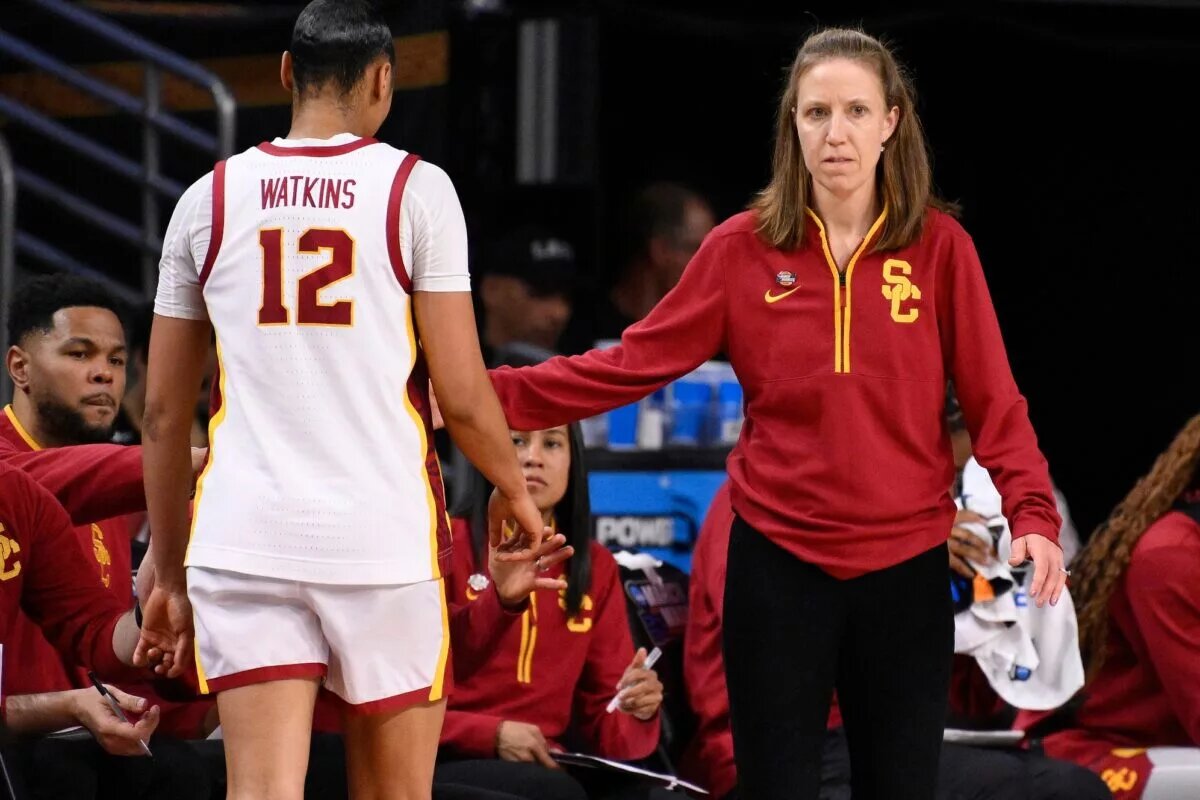
The Caitlin Clark era proved that women’s basketball creates superstars capable of attracting massive audiences. Even without Clark, new stars like JuJu Watkins and Paige Bueckers are ready.
The NCAA must market these players aggressively. Strong personalities and rivalries drive sports viewership. Women’s college basketball is no different.
Regular-season games and conference tournaments deserve prime-time slots and streaming promotion. Visibility fuels growth—and future media rights value.
2032 Is a Crucial Turning Point
The next media rights deal in 2032 offers the NCAA a chance to correct its 2024 mistakes. Women’s college basketball will only grow more valuable by then.
Unbundling, modernizing sponsorship rules, and embracing new bidders will increase revenue. Prioritizing women’s basketball sends a strong message about equity and business savvy.
The NCAA cannot afford another conservative deal. The future of women’s sports depends on bold decisions.
© Robert Hanashiro-Imagn Images