

In the NFL, offensive coordinators are set up to fail. They’re often hired like visionaries and fired like interns who forgot to refill the coffee pot.
They arrive with buzzwords attached to their resumes. “Innovative.” “Quarterback whisperer.” “Scheme fit.” Teams parade them at press conferences as the missing piece, the modern solution, the guy who is finally going to unlock everything that has been broken for years.
Then the season starts.
Suddenly, the quarterback needs more time. The offensive line is “a work in progress.” The roster is “still being built.” Injuries pile up. The schedule turns brutal. The defense cannot get off the field. The general manager reminds everyone that this is a long-term plan.
But the offensive coordinator? He is expected to deliver results immediately. Preferably yesterday.
If the offense sputters, if third downs dry up, if red zone efficiency drops, the diagnosis is instant. The play calling just is not there. The offense “lacks identity.” The scheme “is not a fit.”And just like that, the organization turns the coordinator into the most expendable adult in the building.
Why Offensive Coordinators Are Set Up To Fail In The NFL
The Expectations Never Match The Reality
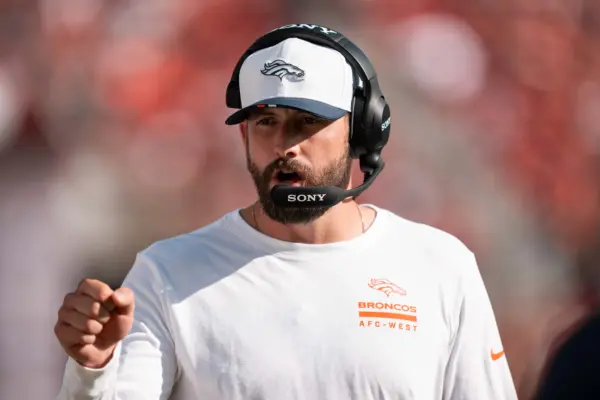
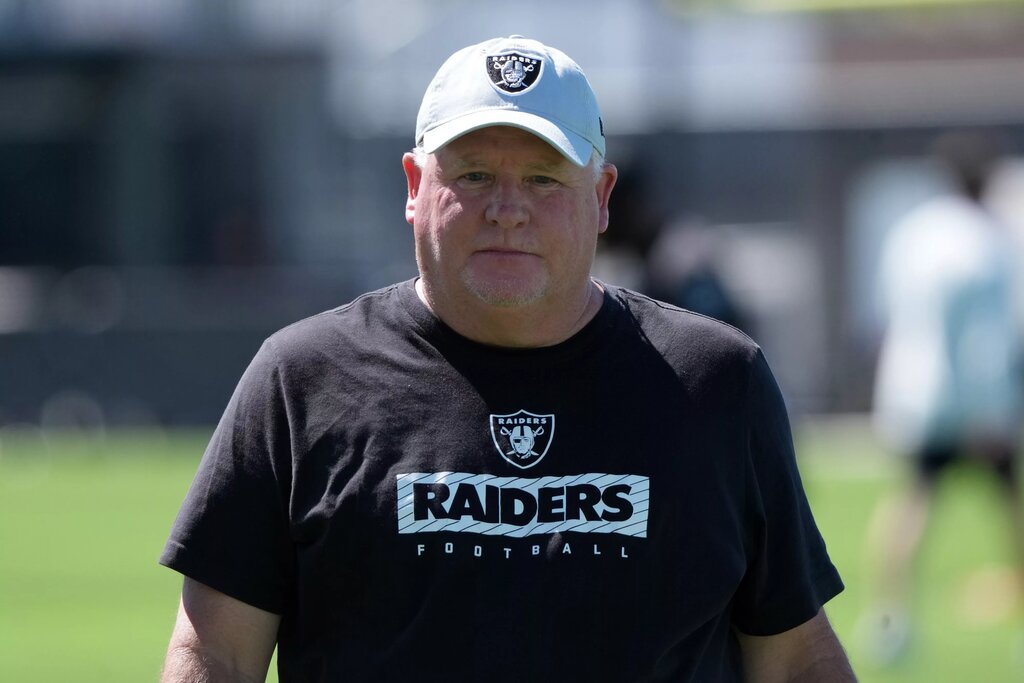
Take Kliff Kingsbury’s recent stint in Washington. You do not have to think he is elite to recognize the setup. New system. New quarterback situation. Roster questions across the board. A franchise still figuring out who it is and what timeline it is actually on.
What exactly was the expectation? That one offseason would magically override years of instability? That the coordinator alone would fix protection issues, quarterback development, and personnel mismatches while everyone else enjoyed the benefit of context?
That is the part no one likes to say out loud. Offensive coordinators are judged in isolation, while everyone else gets explanations.
Quarterbacks are “learning.” Head coaches are “establishing culture.” General managers are “building through the draft.” Owners are “committed to the process.”
Offensive coordinators are just supposed to make it work.
When things go well, everyone shares success. However, when things go poorly, teams assign blame quickly. That pattern keeps repeating because it is easy.
And it keeps happening because it is easy.
Firing an offensive coordinator looks decisive without being disruptive. It creates the illusion of accountability without forcing anyone higher up the ladder to admit they miscalculated. Fans understand it instantly. The media can explain it in one segment. Ownership gets to signal action without resetting the entire organization.
It is the safest move in football.
But there is a cost to that convenience.
Why Offensive Coordinators Are Set Up to Fail
When coordinators know they are operating on borrowed time, they do not coach boldly. They simplify and begin to protect themselves. They stop experimenting. Creativity dies not because coaches lack imagination, but because imagination requires patience, and patience is the one thing offensive coordinators are never afforded.
The league constantly wonders why offenses feel stale, predictable, and risk-averse. The answer is hiding in plain sight. You do not get innovation from people who know one bad month could end their tenure.
The NFL loves to talk about progress, evolution, and forward thinking. But when it comes time to assign blame, it still reaches for the same lever every time.
If offensive coordinators keep failing at this rate, maybe the problem is not that the league keeps hiring the wrong ones.
Maybe it is that the job is designed to make sure someone always has to fail.