
The first three races of 2025 have shown very similar themes to last year’s final rounds. McLaren are leading the way, with Red Bull, Ferrari and Mercedes a few tenths behind.
Verstappen’s Japan victory has sparked belief that Red Bull can mount a title challenge this year, with Christian Horner outlining the team’s intentions to continue developing throughout 2025.
McLaren and Ferrari could also expend significant resources on this year – which could provide midfield teams with an opening for 2026.
The dilemma for McLaren, Red Bull and Ferrari
Even before this year began, the allocation of resources between 2025 and 2026 was a hot topic.
With limited wind tunnel hours (especially for the front-runners) and the budget cap limiting development spending, teams must take tough decisions this season.
For teams further down the order, the decision to focus on the 2026 regulations is hardly a difficult one.
They have plenty to gain and very little to lose from abandoning this season’s car and focusing on their 2026 concept.
Of course, the equation is not to simple for the big teams.
Red Bull, for example are desperately trying to help Verstappen defend his world title. Not only for the sake of winning an F1 Championship, but also to prevent the Dutchman from being tempted to move elsewhere.
Aston Martin (with Honda engines) and Mercedes are likely to be more competitive than Red Bull in 2026 – who are still assembling their brand new engine department.

Because of this, Red Bull have shown tremendous willingness to develop their 2025 deep into the season.
Their confidence in new flexi-wing regulations hitting McLaren at the Spanish GP (round 9) indicate they have no plans of switching focus to 2026 just yet.
Meanwhile, McLaren’s reasons for continuing their development are relatively self-explanatory.
This year is a golden chance for a World Championship – and one they cannot afford to let slip.
Putting financial and technical resources into 2025 will be necessary to combat the resurgent Red Bull.
If either Norris or Piastri can claim the title, McLaren certainly won’t regret this decision. However, it does mean their 2026 development might be slightly compromised.
Ferrari face tough choices
Considering their significant advantage in the first two rounds, the papaya team could find their advantage under siege.
Ferrari team principal Fred Vasseur has emphasised the need for a flexible approach to development this year.
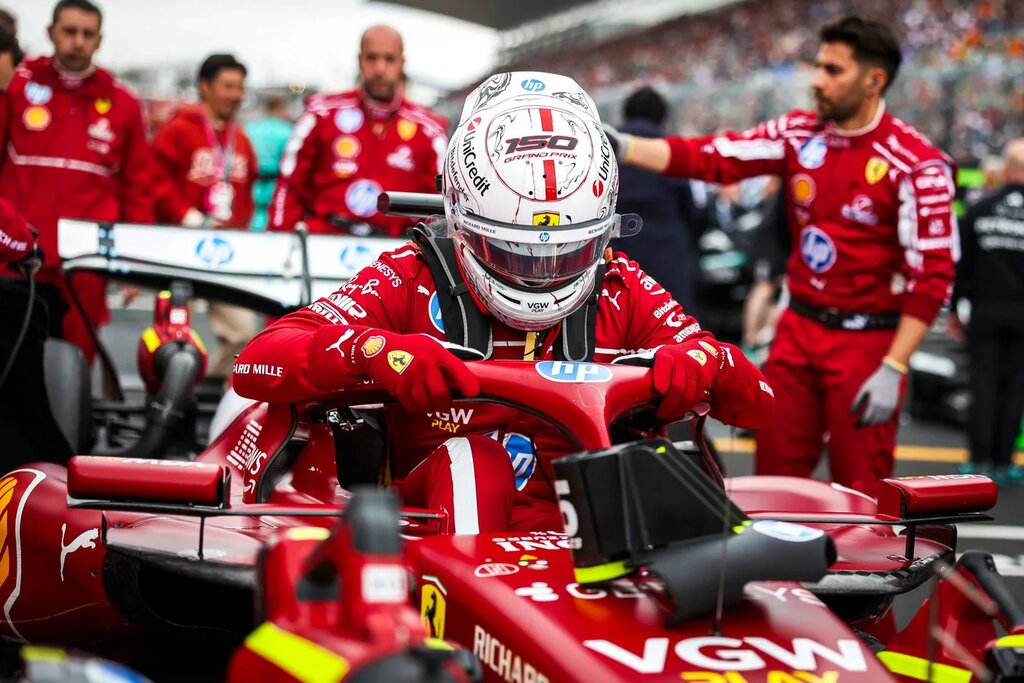
The SF-25 has shown flashes of potential this season, most notably Lewis Hamilton’s Sprint race win in China.
Even Leclerc’s P4 result in Suzuka, finishing ahead of both Mercedes, was a solid enough outing for the Scuderia.
Still, Fred Vasseur has acknowledged Ferrari currently have a 3 tenth deficit to the front.
Whilst not necessarily a disaster in itself, it puts the Scuderia in an awkward position.
They are close enough to fight for race wins with an effective upgrade package. Their new floor for the Bahrain GP, for example, could put them closer to McLaren and Red Bull.
In this scenario, they would be justified in allocating more wind tunnel hours and engineers to the SF-25.
For now, though, Ferrari are unsure whether their 2025 challenger is worth this investment – and it could be a few more months until they have a definitive answer.
Who does this benefit?
You might have noticed Mercedes were not mentioned with the other front-runners. This was no accident.
More than any other top team, the Silver Arrows have expressed a willingness to shift their focus to 2026 development.
Shortly after the Australian GP, George Russell suggested that McLaren’s advantage would be big enough to allow them to focus on 2026 whilst still winning this year’s title.
Although this assessment seems to have been premature, it speaks to the general mindset at Mercedes.
With all reports indicating their 2026 engine will be hyper-competitive, they are well-positioned for next year.
Considering the W16 looks unlikely to fight for the title, the choice to commit towards 2026 should be relatively simple.
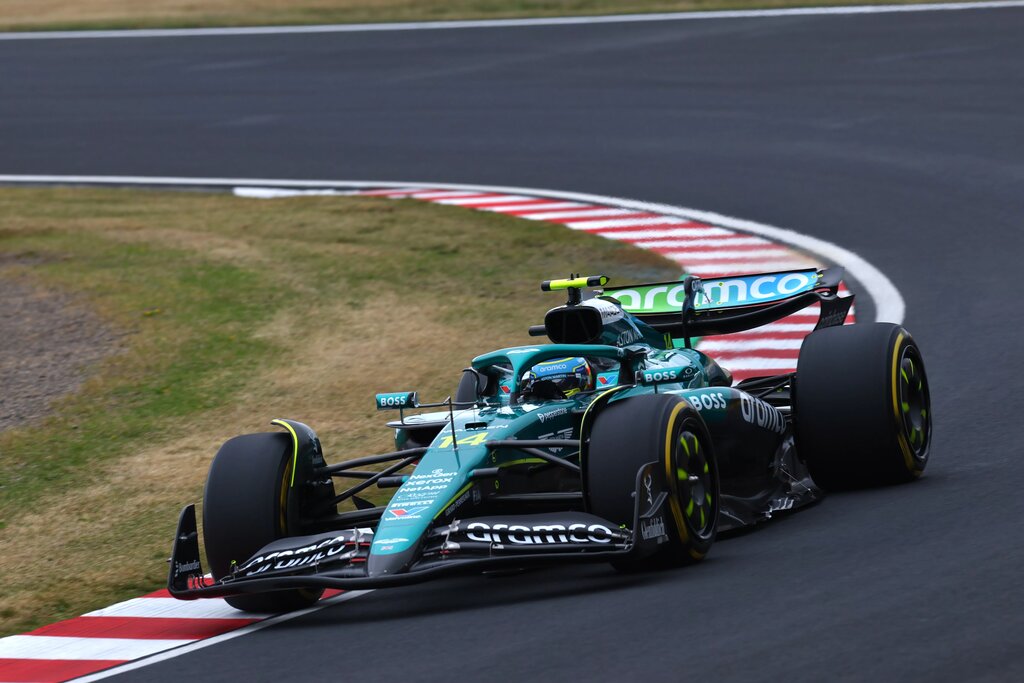
Elsewhere on the grid, midfield outfits will also benefit from the top teams expending resources on 2025.
Specifically, Aston Martin and Williams are the best positioned to capitalise on the 2026 regulations.
For Aston’s part, the implementation of new state-of-the-art development facilities should give them an upper hand for next year.
A new wind tunnel, simulator and factory campus should give them every reason to dream big next year.
Adrian Newey is already hard at work in the team’s Silverstone base, with his focus exclusively on 2026.
Though an upgrade package should arrive to the AMR25 before the Imola GP, this will likely be Aston’s only major set of updates this season.
If anything, their upgrades this year will serve to validate the correlation of their new development tools – which can give them confidence on their 2026 concept work.
Honda’s engine, though perhaps not receiving the same attention as Mercedes, should also be competitive.
After all, they have powered Red Bull to successive world titles for several years.
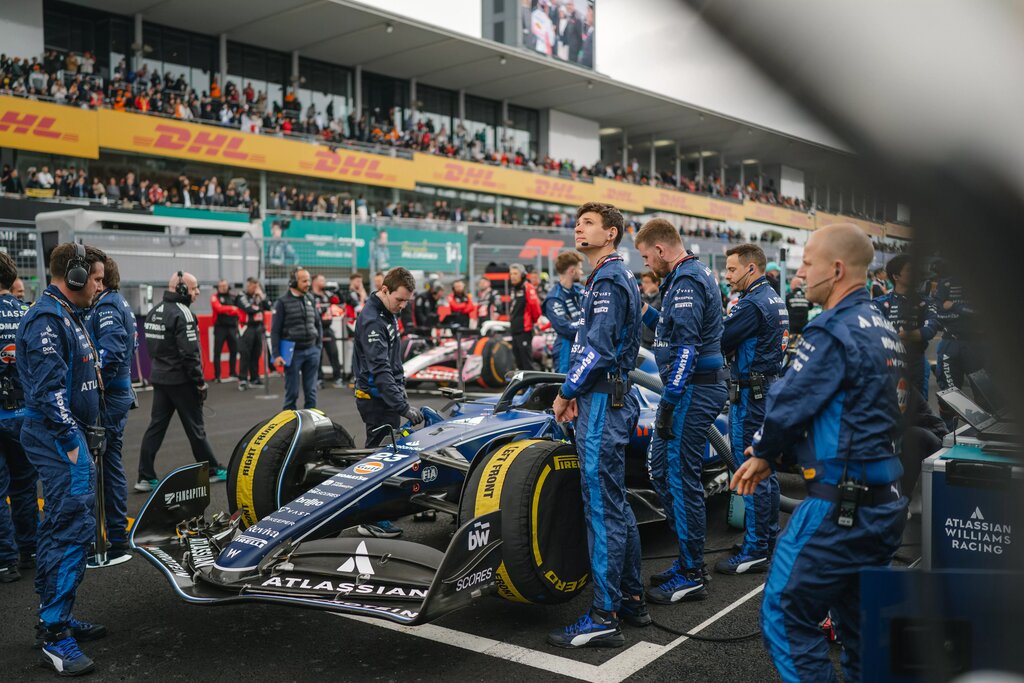
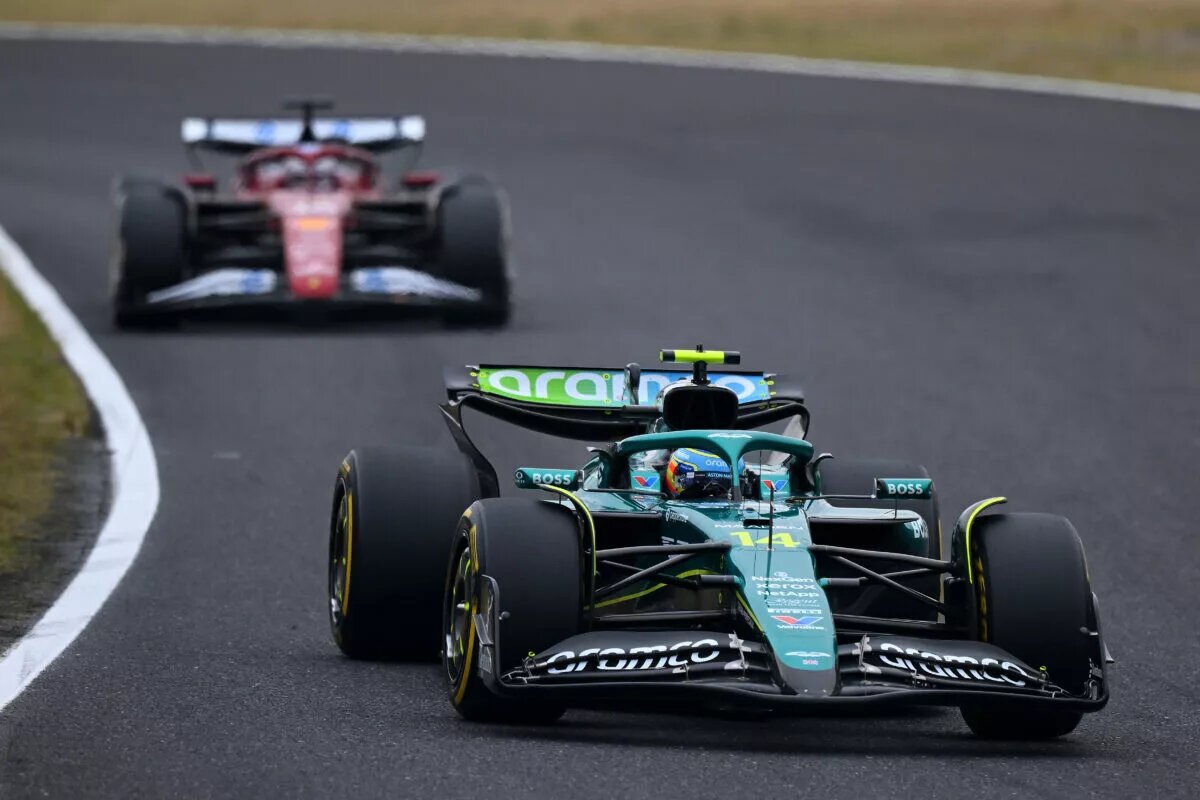
Formula 1 World Championship, Rd 3, Japanese Grand Prix, Suzuka, Japan.
Williams on the rise
The other midfield teams best placed to climb the field in 2026 is Williams.
In many ways, the competitiveness Williams have shown this year so far is being underappreciated.
Having lost over £10 million in damage costs last year, development for the FW47 was severely compromised.
For Williams to put themselves firmly in contention for the ‘best of the rest’ title is a testament to their progress as a team.
James Vowles has spoken extensively about the new infrastructure and personnel that have bolstered his squad in recent years.
The British team principal also emphasised – as early as September 2024 – that the 2026 regulations are the priority:
“Our aero workforce is about 50 [people],” he told the WSJ.
“I have about five people working on [2025] – 45 people are working on 2026.”
If this was the Grove team’s emphasis last September, it seems safe to say they are already full steam ahead on the new regulations.
Williams are already focusing on the next generation of F1 cars and, for the first time in years, they actually have the tools to become a threat.