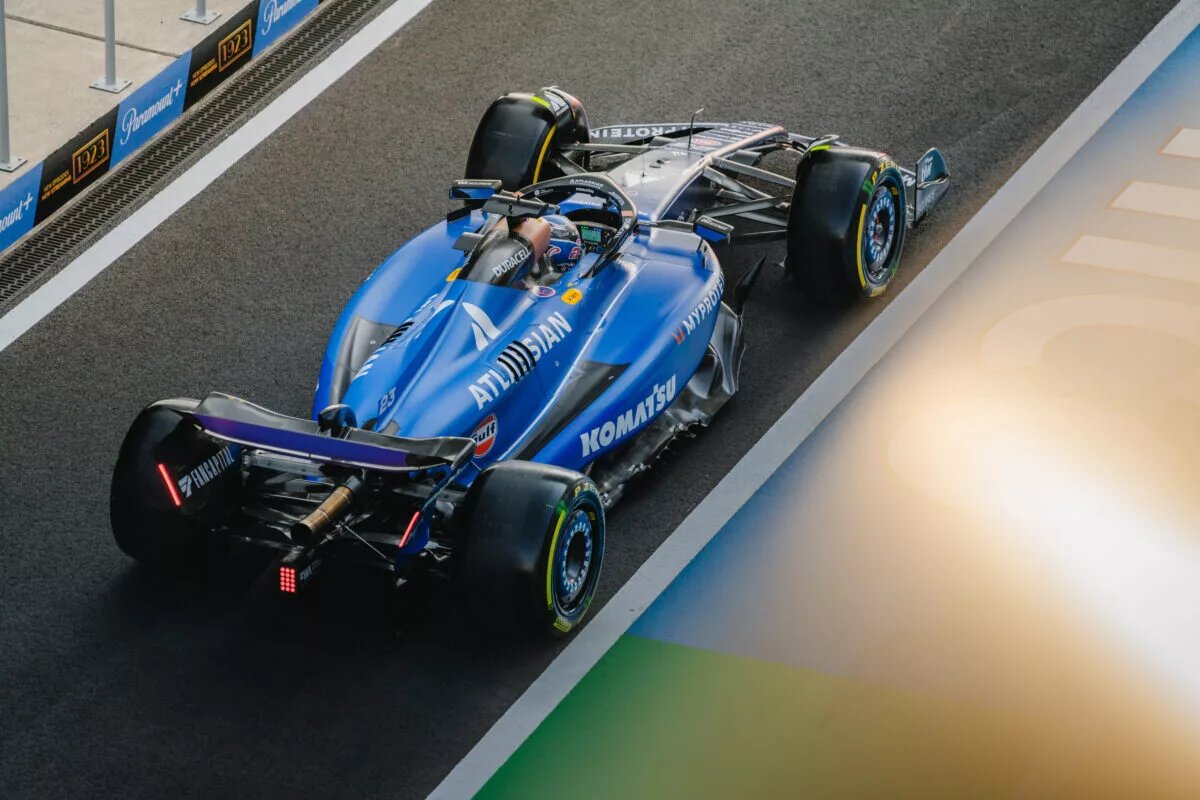

Williams have exceeded all expectations to start 2025, even with the immense buzz surrounding them after pre-season. The British team are currently 4th in the standings, equal on points with Ferrari thanks to the impressive efforts of Alex Albon.
Even with Carlos Sainz still adapting to the FW47, there is no denying that Williams’ 2025 challenger is very competitive.
This is all the more impressive considering the crash damages they suffered last year, which forced James Vowles to make tough calls regarding resource allocation.
Despite their strong start to the year, Williams are still firmly focused on development for the new regulations in 2026.
Williams in a better position than ever to compete
Prior to Dorilton Capitol’s takeover of Williams, the Grove-based team were in a very bad financial position.
This created significant deficiencies in terms of personnel and infrastructure, which ultimately doomed the team to languish as backmarkers.
The arrival of new owners and a true visionary in James Vowles has completely transformed their fortunes.
At first glance, the biggest positive for the British squad to celebrate is their strong start to this year’s campaign.
They are capable of troubling front-runners like Ferrari and Red Bull in qualifying, cementing themselves as one of the strongest midfield teams.
When Sainz gets up to speed and begins matching the efforts of Alex Albon, Williams can look forward to fighting for points on a weekly basis.
However, arguably the most exciting aspect of their project is the activity behind the scenes.
James Vowles has underlined on numerous occasions that establishing a strong foundation for the new regulations is the priority.
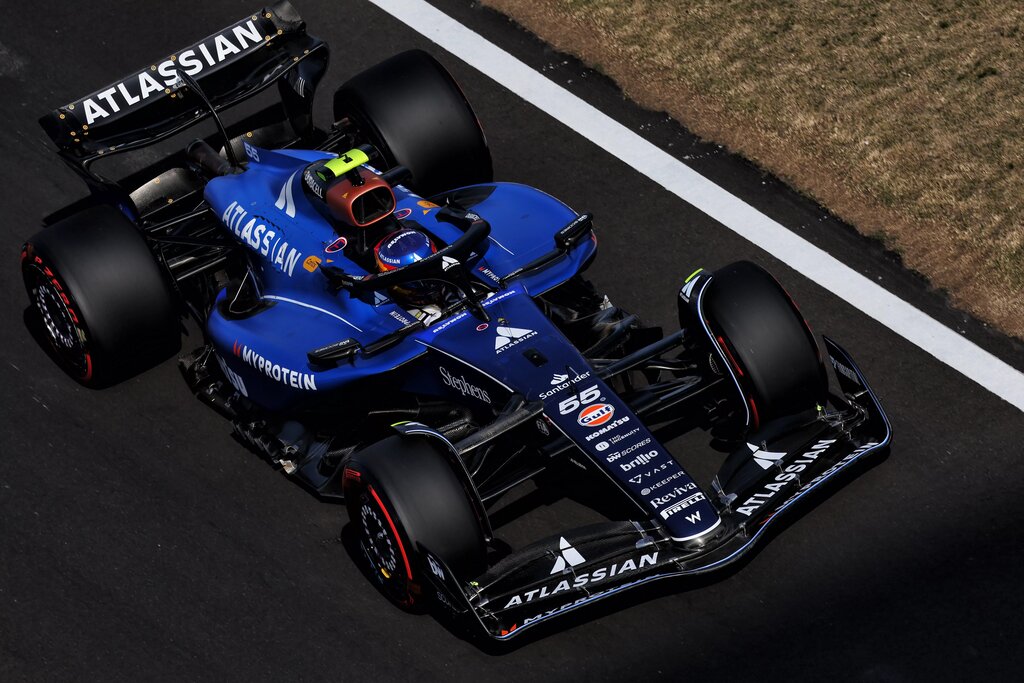
22.03.2025. Formula 1 World Championship, Rd 2, Chinese Grand Prix, Shanghai, China, Sprint and Qualifying Day.
Thanks to a steady flow of investment over recent years, Williams are in a strong position to take a step forward in 2026.
This has already manifested itself in the team’s impressive winter recovery from last season’s troubles.
Unlike previous years, especially with mechanisms like the budget cap, Williams are no longer comprehensively outgunned (in terms of finances or infrastructure) by the top teams.
Their trajectory is hugely promising, especially considering where their focus has been.
Full focus on the 2026 regulations
As mentioned previously on LWOS, making the decision to fully commit to the next generation of F1 cars will be harder for some teams than others.
For Williams, there has been a clear an unwavering approach to development for some time.
James Vowles spoke to the WSJ last summer about the team’s emphasis on 2026:
“The agreement I had with my board, and the only reason why I signed to come on, is I want us to be successful in ’26…
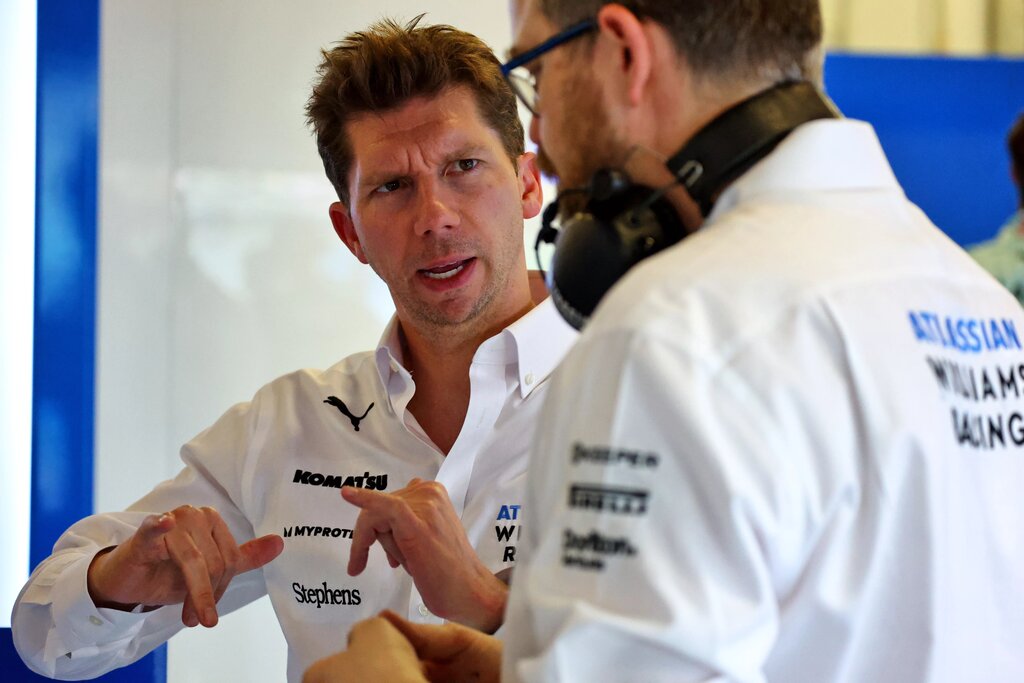
21.03.2025. Formula 1 World Championship, Rd 2, Chinese Grand Prix, Shanghai, China, Sprint Qualifying Day.
“Our aero workforce is about 50 [engineers]. I have about five people working on this year [2025] – 45 people are working on 2026…
“It’s the right way of doing it for the long-term success of this organisation.
“It means we don’t have to think short-term anymore, we can think long-term.”
Of course, it should be noted that starting first on a fresh set of regulations does not automatically guarantee success.
Red Bull were relatively late to the party for their 2022 development – yet they still produced a better concept than anyone else.
Because of this, Williams must remain realistic about their prospects for the next twelve months.
Still, there is no denying that Williams have reason to believe they can upset the established order over the coming years.
This year’s FW47 was the product of very pragmatic choices by Vowles, whose focus on the 2026 regulations has been unwavering.
Should suggestions of Mercedes having a strong new power unit come to fruition, this will be another bonus for the British outfit.