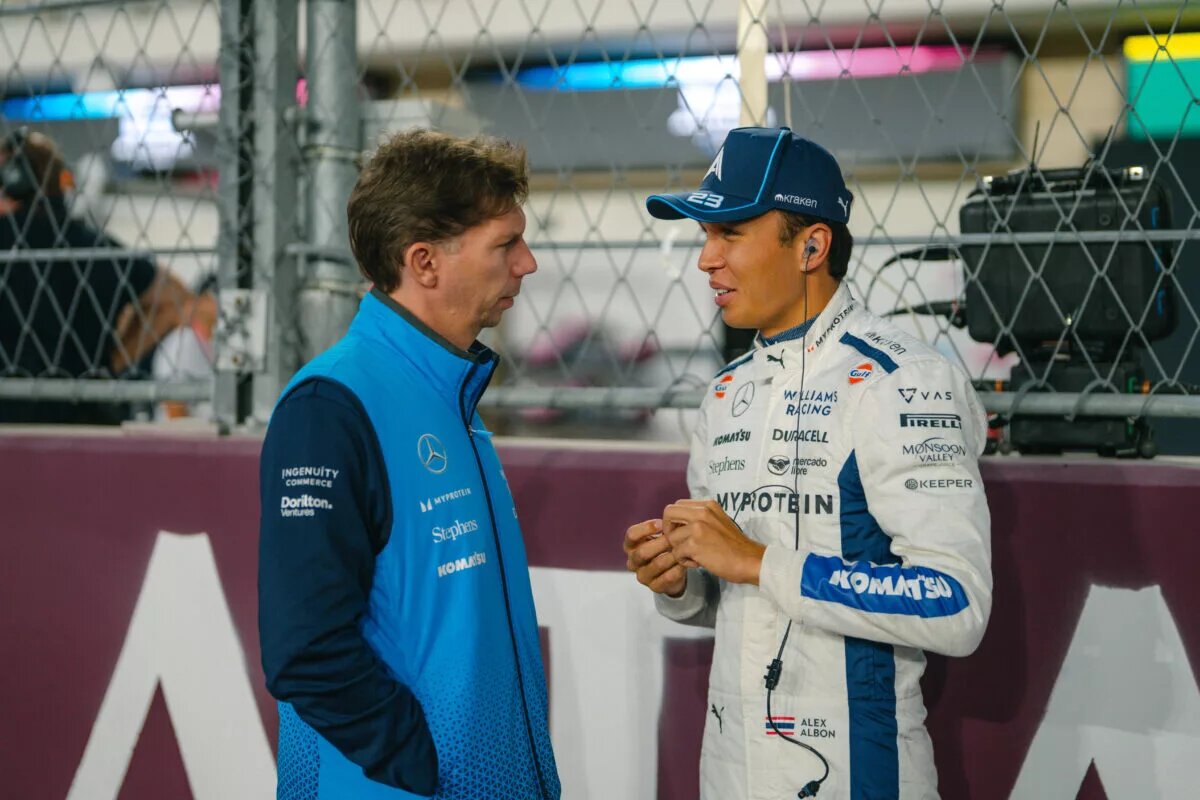

Despite finishing 9th in last year’s standings, Williams consistently find themselves at the forefront of F1 news headlines. Under the leadership of James Vowles, significant investment is being put into the Grove-based operation.
Dorilton Capital, who took over the team several years ago, have empowered Vowles to put Williams back to the front.
The former Mercedes engineer is overseeing and overwhelming push towards the 2026 regulations, which he sees as the best chance to climb the field.
Teams across the field share this perspective – with many already gearing themselves towards 2026. However, James Vowles in particular is taking very drastic measures.
Williams leaving nothing to chance for 2026
In many ways, Formula 1 is in the most competitive state it has been.
Of course, seeing four teams regularly battle for wins last year was a very positive development for the sport.
Mercedes, Red Bull, Ferrari and McLaren, who have historically been competitive (albeit to varying degrees) are in a far better position compared to the beginning of these regulations.
However, arguably the more encouraging development for Formula 1 is the growing investment across the midfield.
Audi, Aston Martin and – increasingly – Williams are all squads with genuine ambitions and capabilities of fighting at the sharp end of the grid.
Because of this, simply being an efficient outfit – as Force India once were – is not enough to become a top five team, let alone trouble the podium positions.
Aware of the increasingly competitive nature of the field, James Vowles explains how Williams are diverting their resources between 2025 and 2026:
“It is a good question,” he said in an interview last year with WSJ.
“So, the agreement I had with my board, and the only reason why I signed to come on, is I want us to be successful in ’26.
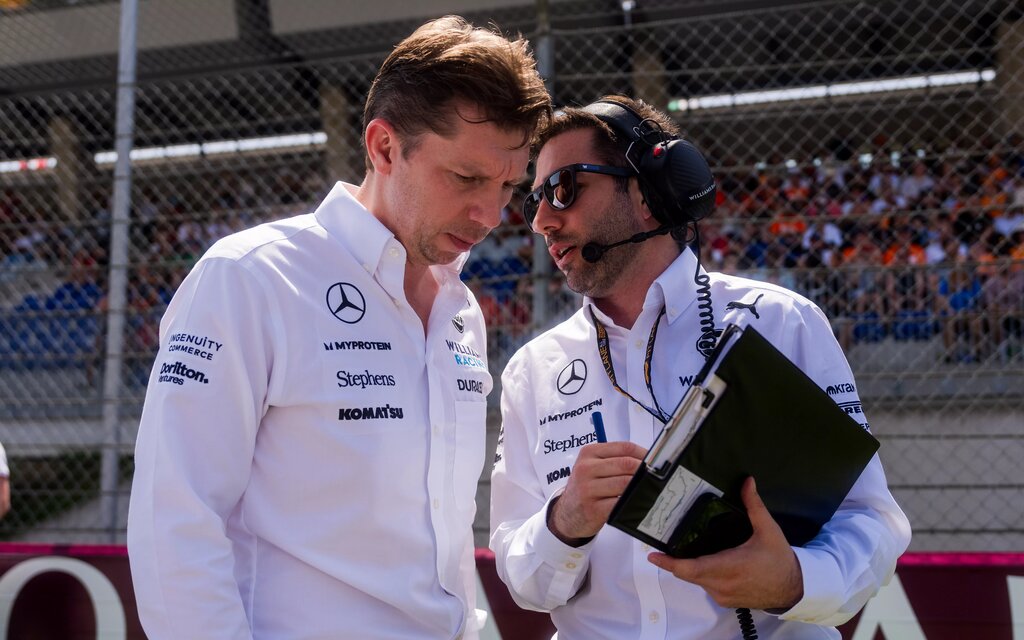
Formula 1 World Championship, Rd 11, Austrian Grand Prix, Saturday 29th June 2024. Spielberg, Austria.
“Which means, I’m not going to give up on ’24 or ’25, but they’re going to be very compromised…
“Our aero workforce is about 50 [people]. I have about five people working on this year [2025] – 45 people are working on 2026…
“It’s the right way of doing it for the long-term success of this organisation. It means we don’t have to think short-term anymore, we can thing long-term.
“And the only way we can do that is if you have a board and the investment behind you.”
Bridging the gap
Due to the financial issues that plagued Williams during the 2010s, they have lagged behind some of the top teams.
Not just in terms of on results, but also from an infrastructural perspective.
As Vowles outlines, increasing the quality of development facilities and growing the team’s workforce is integral to the Grove outfit’s long-term prospects.
Considering that Williams are already in transition, and unlikely to fight for silverware in 2025, focusing on the upcoming regulations is the logical approach.
In order to make a meaningful impact on the team’s fortunes, James Vowles is being uncompromising on his priorities:
“For transparency, we are adding large amounts of workforce, there’s lots of what I call low hanging fruit, which we’re picking up at the moment.
“Which is why the team is moving forward, so it’s not what we are not chasing performance for these years.
“But the large transformation is for the future.”