
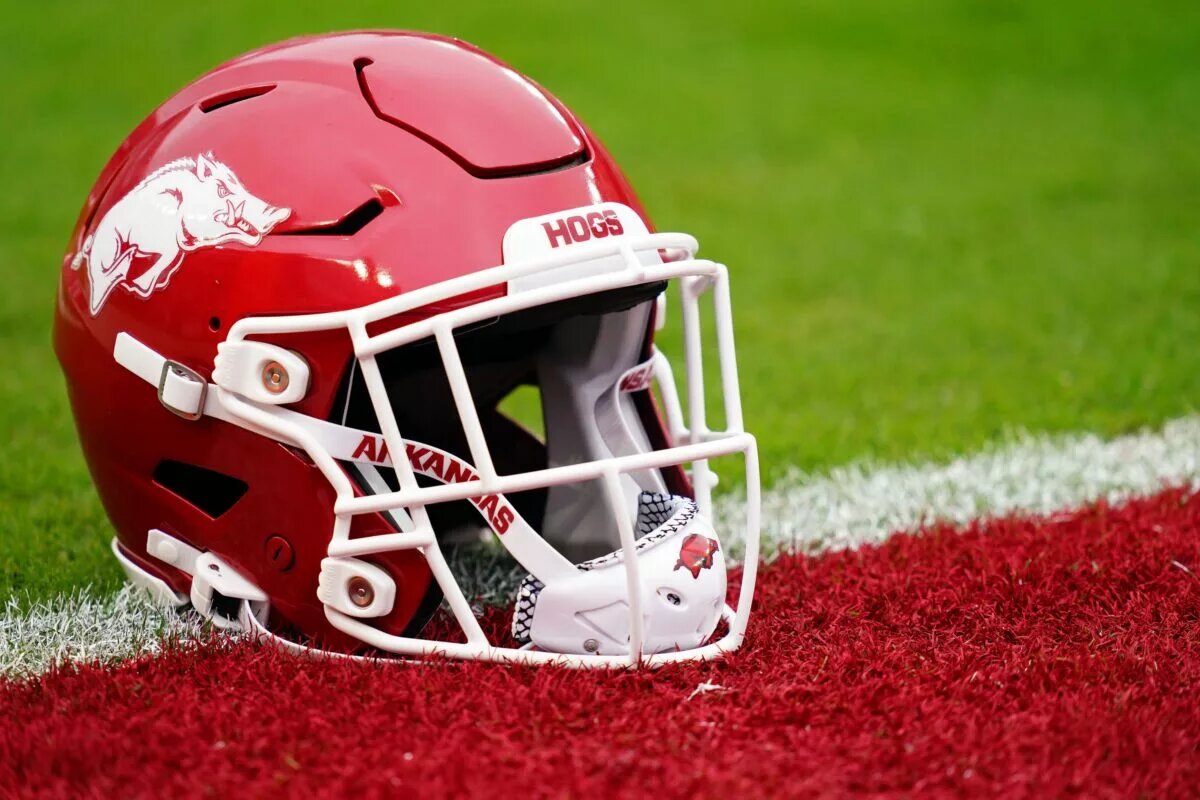

We at Last Word on Sports have seen difficult schedules before. This is different. Arkansas has not taken a snap in 2026, yet it has already become the center of a national argument about whether college football is protecting its players or exploiting them. This kickoff controversy has sparked a reaction from the AD due to tight windows.
Arkansas Kickoff Controversy
Kickoff times were meant to introduce the Ryan Silverfield era. Instead, they have exposed the growing disconnect between television power and athlete welfare, with Arkansas caught directly in the middle. The Razorbacks open September 5 at 3:15 p.m. against North Alabama. Routine. Predictable. Then the schedule turns.
A 9:15 p.m. Central kickoff at Utah on September 12 creates a late-night, cross-country grind. Six days later, Arkansas hosts Georgia at 11 a.m. That sequence has triggered one of the most pointed public rebukes from an SEC athletic director in recent memory.
A Flashpoint Beyond Fayetteville
Hunter Yurachek did not hedge his words. He called the situation “unacceptable” and directly challenged both the SEC and ESPN. His concern centered on player welfare, noting Arkansas is expected to return from Utah around 6 a.m. Sunday morning.
That leaves a compressed window to prepare for the defending national power in Georgia. Nationally, the reaction has been swift and divided. Some analysts and former players have backed Arkansas, pointing to the physical toll of modern scheduling. They argue this is exactly the kind of scenario administrators warn about when discussing athlete safety.
Others have pushed back just as strongly. The counterargument is blunt: this is the system. SEC programs benefit from massive television deals, prime-time exposure, and national visibility. Complaining when the schedule turns unfavorable, critics argue, rings selective. That tension is the real story. Arkansas is not wrong. But it has also stepped into a broader debate that the sport has avoided confronting directly.
Television’s Grip on the Game
The deeper issue is not one kickoff time. It is controlled. Television partners shape the sport’s calendar. Late-night games maximize ratings. Early kickoffs fill inventory. The result is a patchwork schedule that often prioritizes viewership over recovery.
Players adjust until someone refuses to stay quiet. Yurachek’s decision to go public matters because most do not. Concerns like this are usually handled behind closed doors. This time, they were not.
That shift has amplified the conversation nationally. Coaches, media members, and former athletes are now openly questioning how far is too far. The phrase “player welfare” has been repeated often in recent years. Situations like this test whether it carries real weight. Arkansas has forced that question into the spotlight. Still, realism matters. The SEC is not likely to overhaul its television structure over one complaint. ESPN is not moving kickoff windows without significant pressure. That leaves Arkansas in a familiar position, raising a valid issue while still having to play through it.
Can Hunter Win in the End?
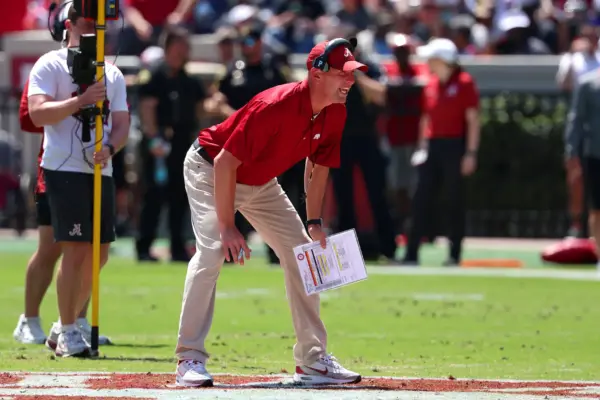
For Silverfield, the timing is far from ideal. A first-year head coach already faces questions about identity, depth, and consistency. Now he must manage recovery, travel fatigue, and preparation against two physically demanding opponents in six days. That is not an excuse. It is a reality. And it is one that many across the country are now watching closely. If Arkansas competes well, the program will be praised for overcoming structural adversity. If it does not, critics will dismiss the concern as noise.
That is the risk of going public. Yurachek has drawn a line. The national response shows he is not alone, but it also shows not everyone agrees. College football has spent years expanding its reach, its revenue, and its influence. What has not been fully reconciled is the cost of that expansion on the athletes at the center of it. Arkansas just made sure that the conversation cannot be ignored. Now the spotlight shifts to the field, where the schedule will not change, and the consequences will be real.
Main Image: John David Mercer-USA TODAY Sports