

Spring Portal Could Save Arkansas Football. How does a single transfer portal window reshape Arkansas football’s roster and long‑term future after Spring practice?
A single transfer portal window forces Arkansas to treat roster building as a long‑range plan rather than an emergency patch job. With one defined period, the staff must evaluate its own players, identify holes, and land the right transfers on a tighter timeline, then live with those decisions for an entire season. That pressure amplifies every scholarship decision, yet it also brings something the program has desperately needed: true stability in the locker room.
Spring Portal Could Save Arkansas Football
A New Calendar, A New Arkansas
College football used to feel like open enrollment chaos. Multiple transfer windows, late exits, and year‑round uncertainty turned depth charts into moving targets. Arkansas lived with that instability. Coaches spent as much energy re‑recruiting their own roster as they did developing it, never entirely sure who would still be in the room when August arrived.
The move to a single primary portal window changes all of that. Now, Ryan Silverfield and his staff hit a hard deadline. They have to marry end‑of‑season evaluations, winter conditioning impressions, and spring practice performances into one cohesive plan. When that window closes, the roster is effectively locked, at least in terms of players leaving. There is no late April scramble to replace a surprise departure at tackle or quarterback.
That new calendar compresses the chaos into a shorter span, but it also gives Arkansas something invaluable: a clear picture of who it is coming out of Spring. Coaches can finally design Summer installs, leadership councils, and position battles around a stable core. Players can buy into a system without constantly glancing at the door, wondering who might jump in the portal next. In a league as unforgiving as the SEC, that kind of certainty is a competitive advantage disguised as bureaucracy.
The Roster Through a Razorback Lens: Offense
Once you zoom out, the roster Arkansas carries into the Summer is more than a list of names. It is a snapshot of how the program intends to live in this one‑window era.
The quarterback room sits at the center of that story. Arkansas is less interested in chasing a one‑year savior and more focused on establishing a multi‑year succession plan. Spring ball highlighted young passers who are not finished products but do represent continuity. Instead of relying on a revolving door of rentals, the staff is trying to pair short‑term competence with long‑term development.
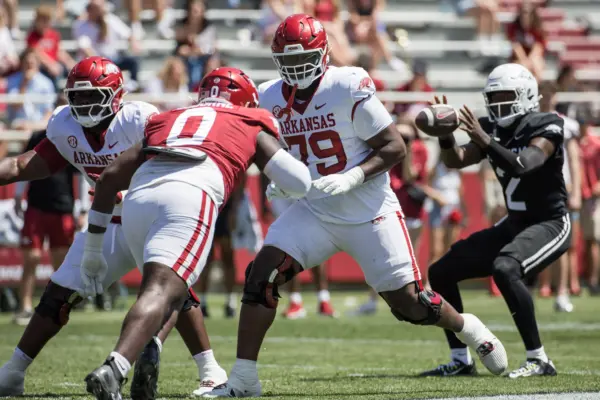
Along the offensive line, the blueprint is just as intentional. The Razorbacks are hunting mobility and versatility, not simply mass. This offense wants linemen who can move in space, execute screens, and function in tempo. That shapes portal targets and high school recruiting alike. You cannot just plug any veteran guard into that role in May anymore; you have to scout, sign, and develop him months earlier.
The Roster Through a Razorback Lens: Defense
Defensively, the portal has become a surgical tool for Arkansas. Instead of flipping the entire unit every offseason, the staff is using transfers to shore up specific weak spots and add mature voices at key levels. Veteran safeties who communicate coverages, edge players who understand leverage and gap fits, rotational interior linemen who can hold up in November—those are the pieces that keep a defense from unraveling late in games. In the one‑window world, those hits or misses define a season.
This roster does not scream instant SEC contender, and that is fine. It looks like a team built to stop losing games by the slimmest of margins. Fewer busted protections. Fewer miscommunications in coverage. Fewer moments where Arkansas is one or two bodies short in the fourth quarter. Those small, cumulative improvements are exactly what a well‑executed portal plan should produce.
One Window, Many Seasons
The true impact of a single transfer portal window will not be measured in one October box score. It will be written over multiple seasons, about how Arkansas looks and feels from year to year.
Previously, a bad portal cycle could be covered by another round of quick fixes. Miss a quarterback in winter? Hope another becomes available somewhere else after Spring. Lose a starting safety unexpectedly? Hit the phones, find a body, plug the hole. That approach created a constant bandage culture, where the program never stopped bleeding long enough to heal truly.
Can’t Miss Anymore
Under the one‑window format, those misses linger. A mis‑evaluation at quarterback or tackle can haunt an entire season because there is no second chance to correct it in late spring. That risk sounds terrifying, yet it also subtly levels the playing field. Big brands can still out‑recruit and out‑spend, but they also churn faster, and churn destroys continuity. Programs that convince players to stay, develop, and grow together gain an edge that NIL alone cannot replicate.
That is where Arkansas can carve out its lane. Continuity on the offensive line, familiarity in the defensive backfield, quarterbacks who mature inside the building rather than parachuting in for nine months—those are the details that decide third‑and‑seven in Baton Rouge or a one‑score game in Fayetteville. The one‑window system rewards precisely that kind of internal growth.
Get Used To It
The portal is not going away. Arkansas will still need it for depth, for experience in the trenches, for a missing piece in the secondary. The philosophical shift is what matters. The Razorbacks can no longer live off the portal. They have to live with it, weaving transfers into a larger developmental plan rather than the other way around.
If Silverfield and his staff string together two or three smart cycles in this framework, the payoff will be obvious. The roster will stop feeling like a short‑term rental and start resembling a core. The names will repeat year over year. The communication will sharpen. The late‑game collapses that have defined too many Saturdays will begin to fade.
When we look back a few years from now, this may be the turning point. The spring when the window closed, uncertainty finally shrank, and Arkansas chose stability over chaos. In a sport addicted to quick fixes, the Razorbacks are quietly betting on something more durable—a team that knows who it is, sticks together, and is built to last in the nastiest league in college football.
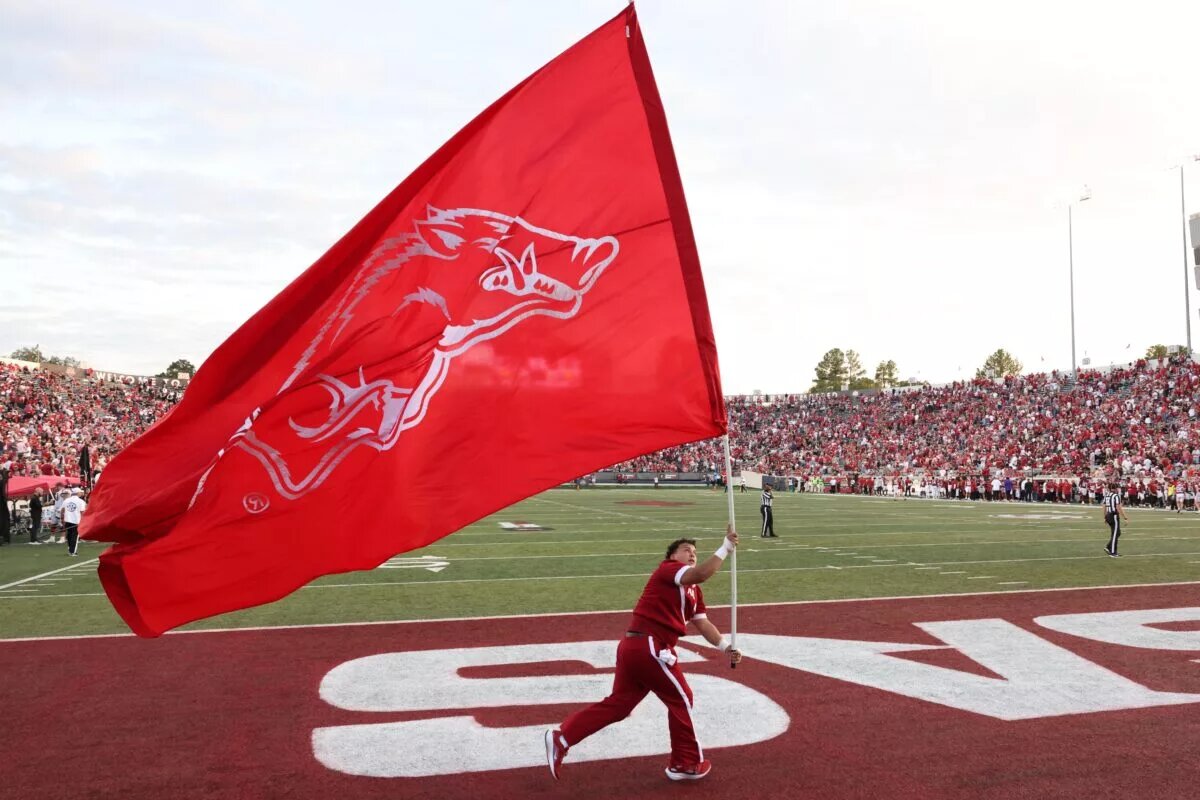
Main Photo: Nelson Chenault-Imagn Images