
For nearly two decades, college football operated under a simple reality: if you wanted to win a national championship, you probably had to go through Alabama.
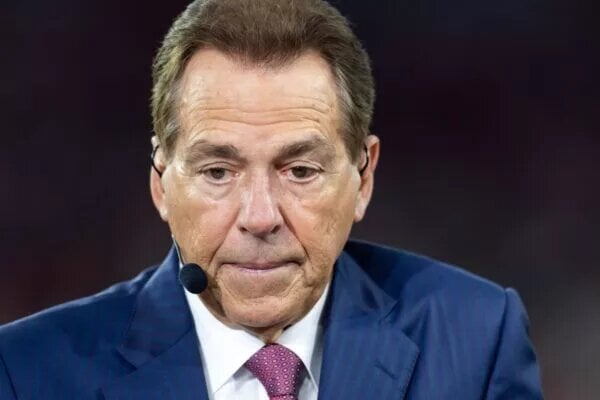
Under Nick Saban, the Crimson Tide became the sports measuring stick. While elite recruiting classes stacked on top of each other, programs across the country tried to copy the model. Players developed into NFL talent at nearly every position. The expectation in Tuscaloosa was not just success, it was dominance year after year.
That level of dominance rarely exists forever.
Now, as Alabama moves further into the post-Saban era under Head Coach Kalen DeBoer, a question is beginning to surface across college football. That question is: Is Alabama football actually in decline, or is the program going through a transition period?
Is Alabama in Decline or Just in Transition?
The Weight of the Saban Standard
Part of the challenge for Alabama right now has less to do with what the program is and more to do with what it used to be.
With Saban at the helm, 12-win seasons became routine, and anything short of playing in the national title game sparked national debates about what went wrong. Following that kind of run would be difficult for any coach.
DeBoer didn’t inherit a rebuilding program. Alabama still has talent, resources, and one of the strongest brands in the sport. But he did inherit the expectations that come with replacing a coach who won 6 national championships in 17 seasons.
That context is important in evaluating where the Crimson Tide currently stands.
A Different College Football Environment
Putting aside expectations, there is another reality that must be addressed when discussing Alabama’s situation. College football itself is different now.
The introduction of NIL and the rise of the transfer portal have changed how rosters are built across the country. Strong NIL backing allows programs to compete for elite talent, giving them the ability to reshape their roster and compete the next season in a way they were not able to just a few years ago.
That has created a more balanced landscape across the sport.
Alabama still recruits well and continues to attract elite players, but the gap that used to exist between the Crimson Tide and many other programs has narrowed. Schools that used to struggle against Alabama’s second stringers in the late minutes of games now recruit those second stringers, claiming the opportunity to get paid more and be a starter. The appeal of staying at a program for 4 years to develop has been surpassed by the appeal of money and playing time.
Simply put, schools now have new tools to build competitive rosters quickly. The rest of the country has caught up to Alabama in some areas.
That does not mean Alabama lacks resources. Few programs are better positioned financially or structurally to compete in the modern era. But dominance is harder to maintain with the sport more evenly distributed.
The Foundation is Still Strong
Even with these changes, the core advantages that built Alabama’s success are still in place.
With the programs top tier facilities, ability to recruit at a high level, and reputation for developing players into NFL prospects, Alabama remains a reputable program.
Few programs can offer the same combination of exposure, tradition, and long-term development.
Those factors suggest that the current state of Alabama football may be less about decline and more about adjustment.
Transitions happen in college football, even for the most successful programs. Roster turnover, new systems, and different leadership styles all take time to settle.
How Much Time Does DeBoer Get?
The real question moving forward may not be whether Alabama is slipping, but how much patience exists during the transition.
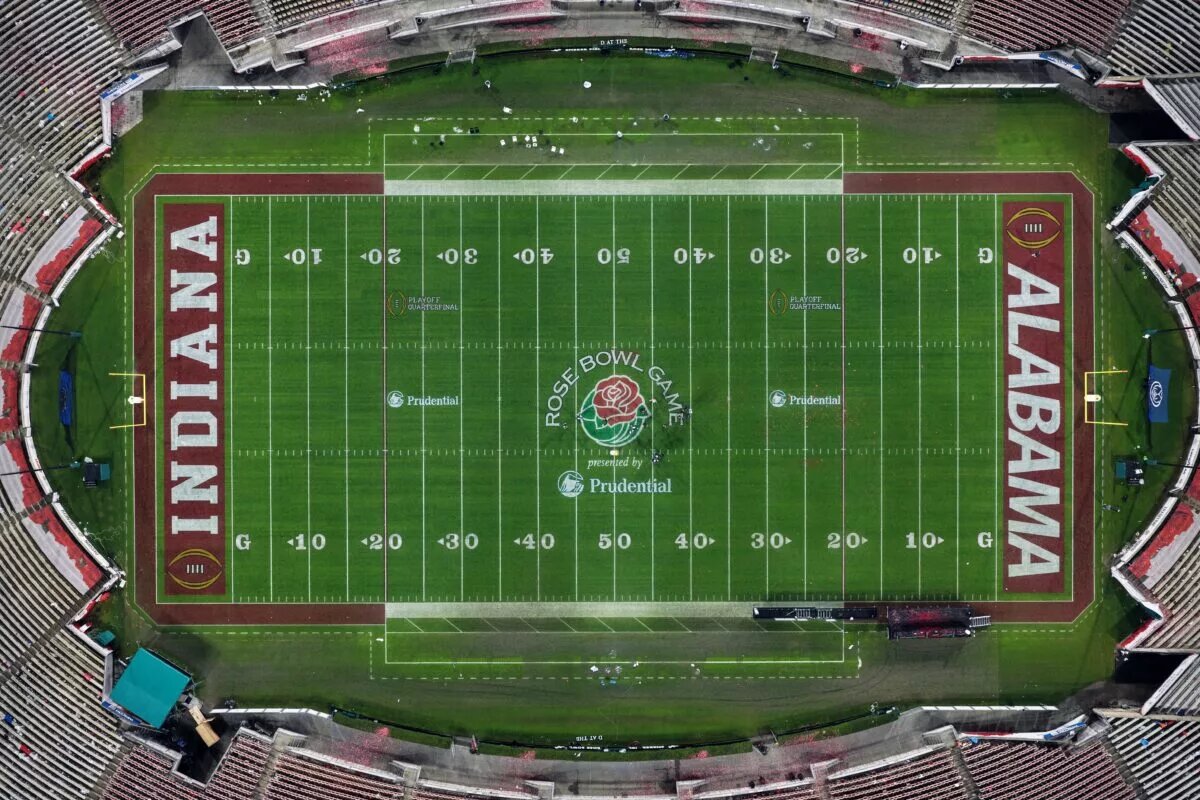
The margin for error feels thinner now. After missing the College Football Playoff in DeBoer’s first year last season, and then returning only to be decisively beaten by Indiana in the quarterfinals this year.
At most programs, a coach replacing a legend would be given sufficient time to build his own foundation. Alabama is not most programs.
The expectations in Tuscaloosa remain championship level. The fan base has spent nearly two decades watching Alabama operate as the sport’s most consistent powerhouse. That standard doesn’t just disappear overnight.
Still, transitions rarely happen smoothly. There are usually adjustments along the way before a program fully stabilizes under new leadership.
Decline or Transition?
Labeling Alabama as a declining program at this moment feels premature.
The Crimson Tide still possesses nearly all the things that helped build the dynasty in the first place. Those advantages remain, even with a fresh coaching staff in place.
What Alabama may be experiencing instead is the natural shift that follows one of the greatest runs in the history of college football, combined with significant shifts in the sports landscape.
Whether this period becomes a brief adjustment or something more significant will ultimately depend on how Alabama adapts to the current state of college football.
For now, it looks far more like a transition than a decline.
Main Image: Kirby Lee-Imagn Images