
In case you have missed the news, and it appears many have, the Pac-12 is back with college football in 2026. This is not your grandfather’s Pac-12. Nor is it your father’s Pac-12. Heck, it’s not even your older brother’s Pac-12. This is a conference that has been remade for survival purposes. And, like all other conferences, it has released team schedules for the upcoming season.
Who’s In
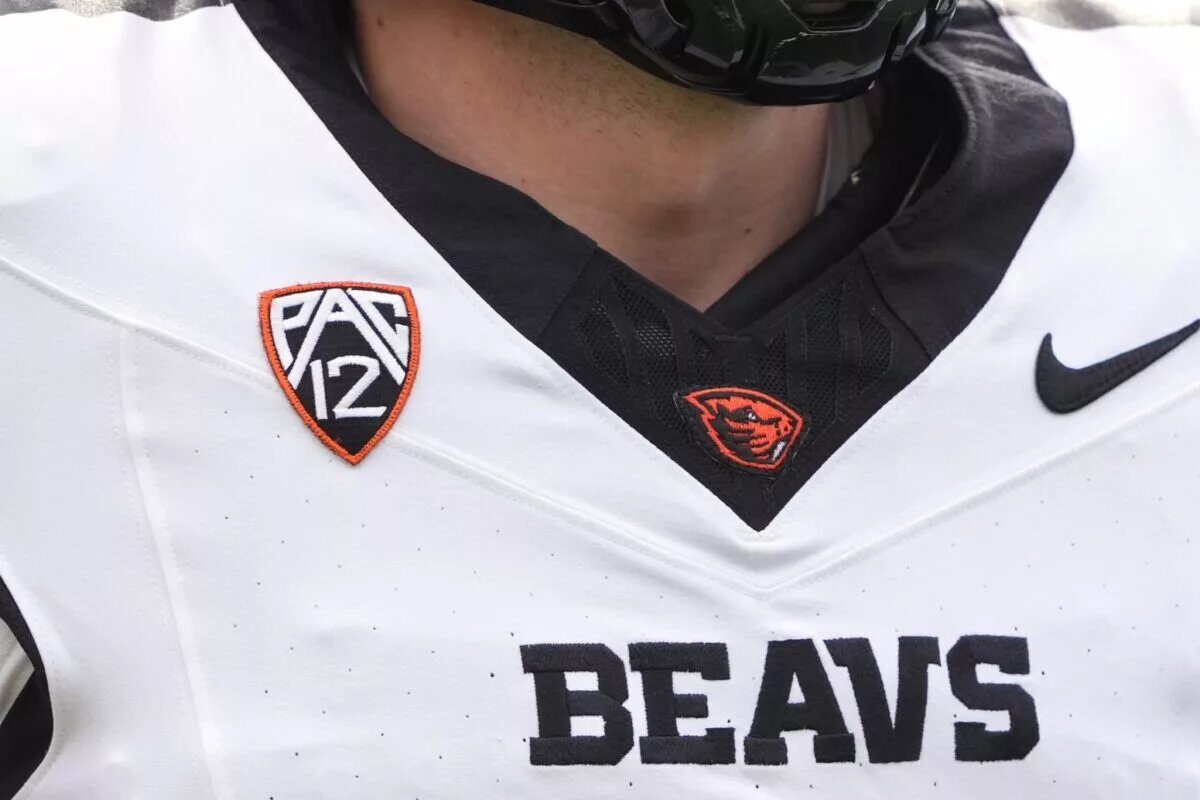
The first thing you need to know is that the Pac-12 has nine schools, but only eight for football (Gonzaga being the lone non-football school in the conference). Conference “OG’s” Washington State and Oregon State have a home again, after two years of floating on a raft with nowhere to go. And the rest of the lineup is pretty much made of schools with state in their names, whether they are states or not.
Boise State, Colorado State, Fresno State, San Diego State, Texas State, and Utah State join the two Pacific Northwest schools to form the new conference lineup.
From 8 to 10 to 12 to 8
Some of the geriatrics in the crowd will remember that the school was made up of eight schools for a long time, prior to admitting Arizona and Arizona State in 1978. It stayed like that for three decades until growing to12 schools with the addition of Utah and Colorado in 2011. That held in place until UCLA and USC bolted the conference, followed by Oregon, Washington, Cal, Stanford, the two Arizona schools, Colorado, and Utah, all before the start of the 2024 football season.
Washington State and Oregon State did not get invitations from anywhere else and thus spent the next two seasons playing makeshift schedules with help from the Mountain West.
The new Pac-12 and commissioner Teresa Gould have since pillaged the Mountain West lineup, creating litigation and ill will between the two. But the Pac-12 brand, if not the prestige, lives on once again.
Doing the Math
The schedule release for each team is unique in part because of the number of schools in the conference. When the conference was the Pac-8, most schools played only a 10 or 11-game schedule. So the Pac had the perfect round robin format of playing every other team in the conference and filling in the rest with out-of-conference games.
The same was true for the Pac-10. Nine conference games and three out-of-conference games gave you the same 12 games as everyone else. The Pac leadership lauded it as better than anyone else because it guaranteed you played everyone else in the conference, eliminating debate about who had tougher schedules based on schools that were not played.
It worked even better in basketball. The two LA schools would travel to the state of Washington for a weekend series. USC would play one of the two state schools on Thursday, and UCLA would play the other. And they swapped opponents for Saturday’s game.
All of that changed with the addition of Colorado and Utah. And then conference realignment forever changed the national landscape for everyone.
Unique Schedules
Now the eight-school football conference is relying on some schedule creativity to try to become relevant again.
Each school will play everyone else in the conference. That gets you to seven games. They will each have four out-of-conference games, all at the beginning of the season. That gets you to 11 games. The final week of the schedule will be what the conference is calling a “flex schedule.” The games will be rematches between some of the top teams in the conference, but will be designated as non-conference games. The purpose is to try to boost the College Football Playoff at-large bid potential. The home schools for those flex weeks have already been determined. Colorado State, Fresno State, Utah State, and Washington State are set to have home games in that flex week. The conference championship game will be played at the home of the highest-ranked school.
The conference has a new media rights deal that is made up of a mix-and-match of outlets. CBS and the CBS Sports Network have extended their existing agreement for another three years. The conference championship game will be on CBS. The CW is the tier two media partner. And the USA Network joins the group with a plan to cover 22 football games during the season. The media rights revenue is estimated to be at about $7 million per school per year. That is about 1/10th of what the former Pac-12 schools are getting in the Big 10. But it is significantly more than what the old Mountain West schools were getting from their previous conference.
Main Image: Darren Yamashita-Imagn Images