
Tennis is at one of those perennial crossroads moments. There is always background noise on a topic which comes to the fore every now and again.
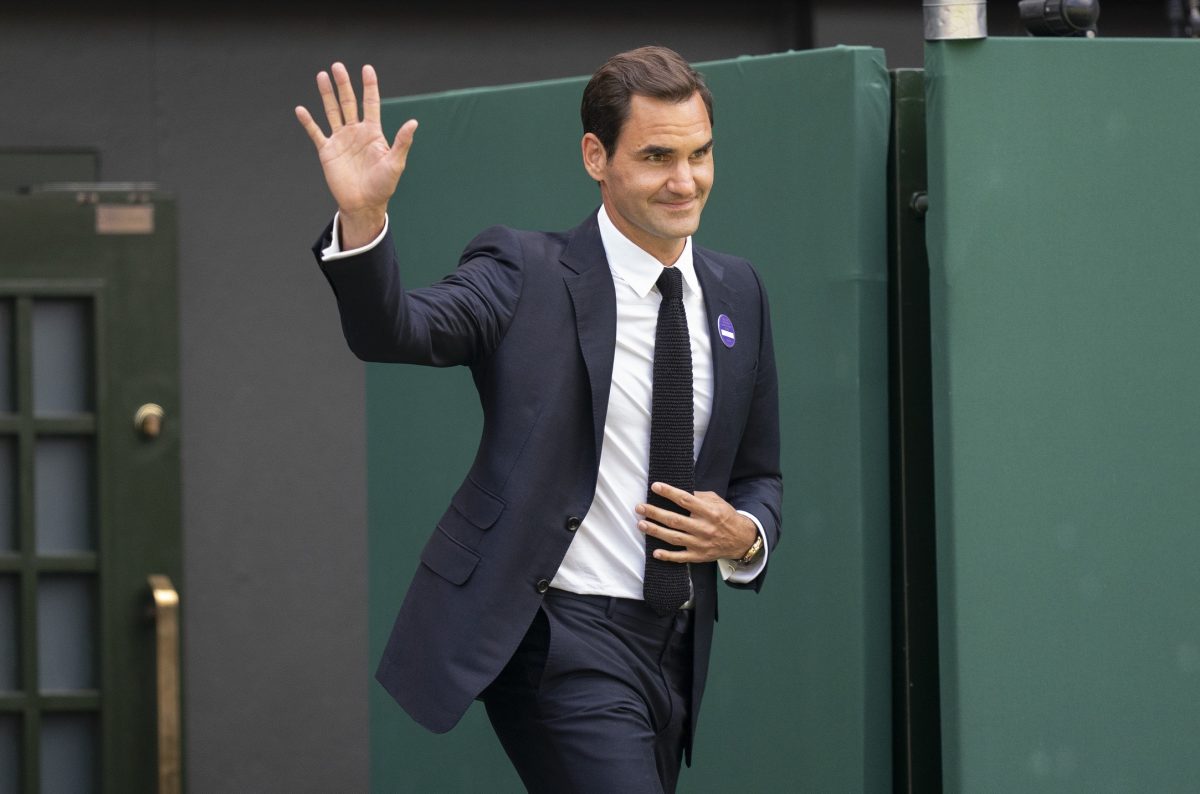
This particular background noise is about the pace of the courts professional tennis is played on, and how that affects the players and the product. A topic usually on the fringes in forums but now brought to public attention by Roger Federer’s views. Is it now the perfect opportunity for tennis authorities to re-look at indoor carpet as a viable surface?
The History of Indoor Carpet Tennis
Carpet was a prominent surface in professional tennis for four decades from the 1970s through to the late 2000s. Before carpet, indoor tennis was often played on wood, especially during the 1950s and 1960s. Most carpet surfaces were laid in colder climes where tennis could be played indoors during winter. Some carpet surfaces were laid occasionally to be played outdoors as well; which were often found in public courts.
From the mid-1990s onwards there was a concerted effort to remove carpet tournaments and replace them with indoor hardcourts. These hardcourts were a new breed of acrylic surface, initially led by Plexicushion and Greenset. The bounce was higher, mirroring then cement and rubberised hardcourts and the pace was much easier to regulate. Sand could be applied to determine whether a court is medium, medium slow or medium fast.
I wrote an article called the Indoor Tennis Surface Speeds dilemma in 2012. In that article I quoted a then ATP spokesman who I spoke with over the phone. He indicated that indoor carpet was divisive as there were reports of many injuries on the surface and many players complained the surface was too fast. However, in 2005, former world No. 1 Jim Courier did an interview on BBC Radio where he said it was a pity indoor carpet was removed from the ATP Tour because that surface in particular encouraged volleying skills. Therefore it was by no means a unanimous agreement to get rid of indoor carpet surfaces.
Legends’ Success on Carpet
Not only that; in contrast to the ATP spokesman, players’ thoughts on indoor carpet appear somewhat different. Ivan Lendl, tennis’ best player in the 1980s, won 91 tournaments between 1979 and 1994. Lendl won 28 hardcourt tournaments, 31 clay court tournaments including three French Opens, and a whopping 34 indoor carpet tournaments. This included five Masters Championships (now called World Tour finals).
Meanwhile Monica Seles wrote in her book entitled From Fear To Victory that indoor carpet was one of her favourite surfaces. Especially indoor supreme in Madison Square Garden; which she won three times in a row from 1990 through 1992.
Other specialist baseliners who thrived on indoor carpet included Martina Hingis, Steffi Graf, Bjorn Borg and Jimmy Connors. Andre Agassi also won the ATP Championships (World Tour finals) in 1990 beating Boris Becker in the semifinal and Stefan Edberg in the final in four sets. Agassi beat two serve volleyers back to back on the surface that should suit them more.
Interestingly Pete Sampras won 15 tournaments on indoor carpet. That sounds a relatively low number compared to Lendl’s 34 and Borg’s 23 titles. However, Sampras played at the start of the transition era. He won three of his five ATP World Tour finals on carpet in 1991, 1994 and 1996 in Frankfurt. In 1996, the players voted to change the surface for the 1997 edition. Consequently his two titles in 1997 and 1999 in Hanover came on indoor hardcourt.
Sampras also won Vienna on indoor hardcourt in 1998. In those finals he always faced baseliners. Kafelnikov and Agassi in Hanover, Karol Kucera in Vienna. Tennis was already shifting from attacking tennis indoors. In 2000, Gustavo Kuerten won the renamed Tennis Masters Cup in Lisbon on the slowest indoor hardcourt I have seen.
Tennis Surface History
In the 1990s, seven surfaces were sanctioned on the ATP & WTA Tours:
- Deco Turf II hardcourts used at the US Open and North American tournaments
- Rebound Ace hardcourts used at the Australian Open and lead up tournaments
- Red clay used in Europe and South America
- Green Clay (Har Tru) used in North America
- Indoor carpet (supreme in North America and Asia), Taraflex in Europe
- Indoor hardcourts usually Plexicushion and Greenset mainly in Europe
- Grass
Today in 2025, just three surfaces are sanctioned:
- Red Clay
- Grass
- Hardcourts used both outdoors and indoors. Mostly acrylic based surfaces no matter the manufacturer, from Plexicushion to Greenset to Laykold.
The Current Schedule
Tennis is now played on hardcourts around nine months of each season. Starting end December in Australasia; through February in Doha and Dubai. Then March with Indian Wells and Miami. There are also some indoor legacy tournaments in Europe such as Rotterdam played on indoor hardcourt.
Then we have the spring /summer season on clay and grass. Then back to hardcourts in July through November taking in the US Open, Asia swing and indoor tournaments in Europe. This culminates with the World Tour finals in Turin. If the argument that carpet was a health hazard, I fail to see how playing on acrylic hardcourts for such long stretches is a vastly better option.
Playing so much hardcourt tennis is counter intuitive as hardcourt tennis is less forgiving on limbs and joints. Here is a quote from the British Lawn Tennis Association (LTA) website regrading hardcourt tennis:
“Rallies on hard courts tend to be longer and more taxing on the body than other surfaces due to its unforgiving nature and therefore requires players to be more fit and use explosive movements.”
The Issue at Hand
The authorities are well aware of the situation with hardcourts. With authorities often favouring medium slow hardcourts and heavy duty tennis balls, this makes hardcourt tennis a gruelling spectacle. Which favours physically stronger players on both Tours, like Aryna Sabalenka and Iga Swiatek.
The calculation is that the paying public in stadiums and through subscription television want to see gruelling rallies more often than not. The philosophical question becomes is it worth playing tennis on hard surfaces for nine months a year? To the possible detriment of player welfare?
With the increase in injuries and the perennial nature of hardcourt tennis on the ATP & WTA Tours; now might be a good idea to re-look at indoor carpet for a variety of reasons:
- Indoor carpet is easier on the joints and limbs than acrylic hardcourt tennis
- The pace of the courts can be regulated and does not have to be lightning fast, as the perception often is.
- If carpet surfaces is considered fast by modern standards, we should recall and realise there are many specialist baseliners who like faster surfaces. In particular, counter punchers who possess fast twitch fibres. Many of these players prefer faster surfaces to clay; from Lleyton Hewitt to Angelique Kerber to Agnieszka Radwanska. Also, clay court specialists like Lendl, Seles and Borg were incredible indoor carpet players.
- Tennis can learn from other sports played indoors.
Indoor Surfaces Around the Globe
The fourth point here is the key point. Whilst the ATP & WTA removed all carpet surfaces citing the surface as dangerous, other sports have continued. Volleyball, badminton, squash, netball, handball are played on a variety of indoor vinyl surface. These surfaces are clearly safe to play on and designed to be friendly to limbs and joints. Companies such as Gerflor who were one of the providers of carpet to the ATP & WTA Tour continue to provide surfaces for other professional indoor sports.
The ATP and WTA can consider commissioning a professional manufacturer to come up with a more modern version of indoor carpet. Which would address the safety issues that the Tour felt was around in the 1990s.
If carpet was re-introduced on to the tours, this would alleviate the over reliance of hardcourts especially during the indoor season. Tournaments such as Rotterdam, Lyon, Stockholm, Paris and the ATP finals would be fitting candidates.
This will give the players respite from constant hard surfaces, and as Jim Courier cited, could help to bring back volleying skills. Even if modern carpet can be regulated to medium pace, it is naturally slightly lower bouncing, which would definitely aid attacking play, providing a nice addition to long gruelling rallies.
Let’s hope this is something the Tours will consider to help the players and increase tennis as a spectacle.
Main Photo Credit: Susan Mullane – USA TODAY Sports