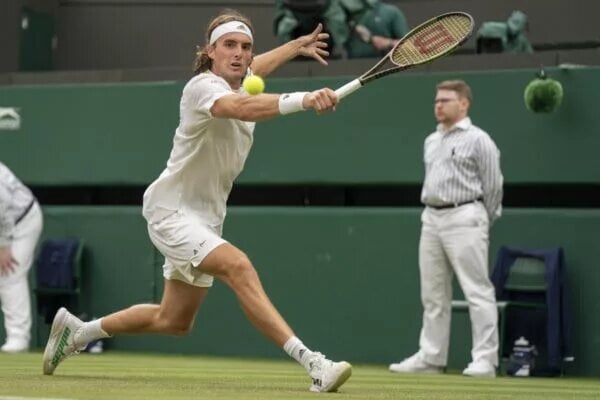


Not long ago, Daniil Medvedev was being discussed in the same breath as Stefanos Tsitsipas when conversations turned to the next generation of Grand Slam contenders who had failed to materialize into what their early peaks suggested. The framing was understandable, if slightly hasty. He had gone through a prolonged stretch of inconsistency following his 2021 US Open title, dropping out of the Top 10, losing early at events he would previously have deep-runned comfortably, and giving the impression of a player who had found his ceiling and begun the slow descent from it.
For Tsitsipas, the story proved largely accurate. For Daniil Medvedev, it proved greatly exaggerated. He clawed his way back into relevance with performances across 2025 that reminded the tour why he had been World #1 in the first place. The serve remained elite. He reached the Wimbledon semifinal in 2024 and 2025, which told anyone paying attention that the grass game he had spent years developing had become a genuine asset. He won titles. He beat Top 10 players in big moments. In short, he was regrouping.
The Struff Match and What It Revealed
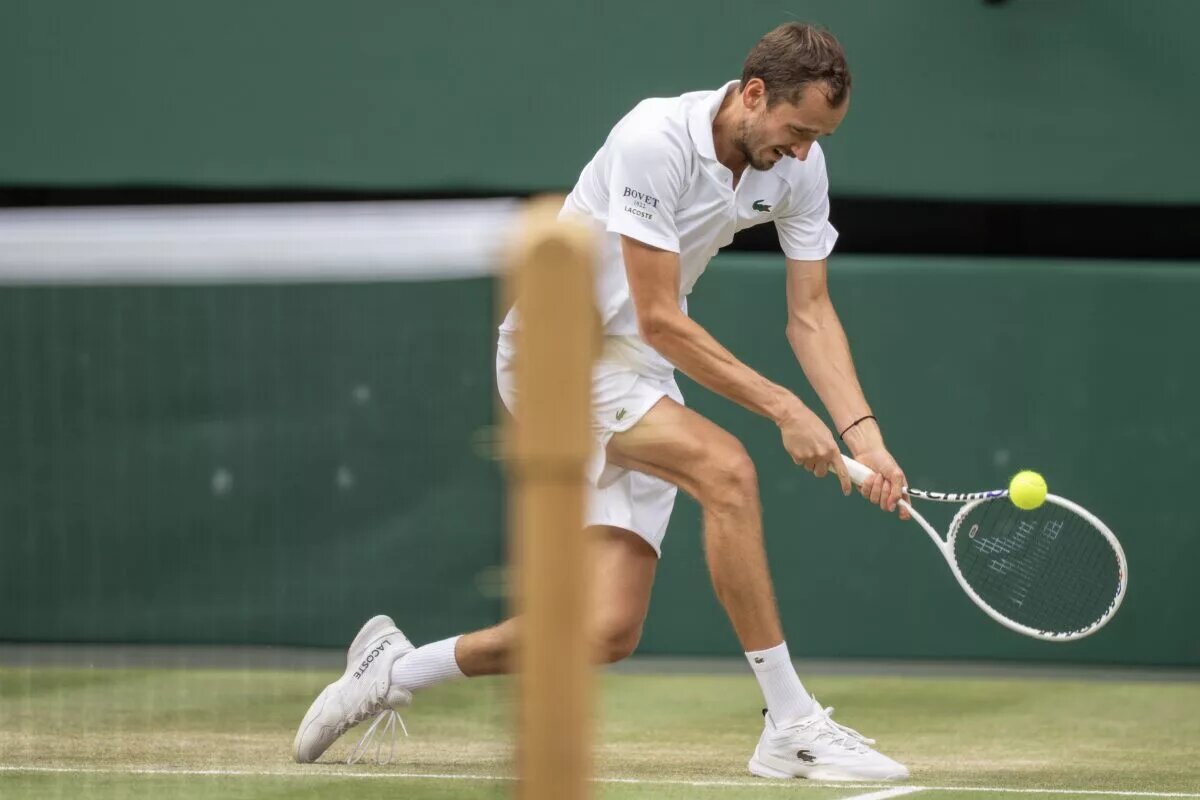
Jan-Lennard Struff recovered from a losing position in all three sets to beat the eighth seed 7-6(4) 7-6(5) 7-5 and reach the fourth round for the first time. The scoreline does not come close to capturing how strange the afternoon was. Medvedev led 3-1 with a 30-0 lead in the first set before being caught and losing the tiebreak 7-4. He led 5-2 with a 15-0 lead in the second before again yielding in the tiebreak 7-5. In the third he went 5-2 and 40-15 up without converting his chances to close it out, eventually losing 7-5.
Medvedev converted just four of the twelve break points he earned before suffering a straight-sets defeat. He had a double break in the third set and was serving at 40-15. The match, by any objective reading of the scoreboard across its duration, was his to win three separate times. He did not win it once.
In the post-match press conference, Medvedev was blunt and self-critical: “It’s disappointing to lose after having a break lead in each set. It’s about finding solutions to win, and I didn’t find them. I should do better. I didn’t serve as I would have liked. I didn’t play as I should have in the tie-breaks. He was better in the important moments.”
“He was better in the important moments.” That sentence, coming from Daniil Medvedev of all people, is the most uncomfortable part of the whole afternoon. Because the player who produced that assessment is the same player who, in the 2021 US Open final, made Novak Djokovic’s return of serve look ordinary. One might say it is perhaps the hardest thing to do in tennis.
Two Versions of Daniil Medvedev
The 2021 US Open final against Djokovic is the reference point for understanding what Daniil Medvedev is capable of when the biggest moments arrive. Djokovic was chasing the calendar Grand Slam, the most storied pursuit in the sport’s modern history, with the entire crowd against Medvedev. Medvedev won in straight sets. He served precisely, returned Djokovic’s delivery exceptionally well and closed out the most pressurized match imaginable with as if he’d done that a 100 times before. It was a defining performance, and it defined him: a player who found something extra when the stakes were highest.
The player who led Struff by a break in all three sets and lost all of them is the same man. The player who went 5-2 up in the second and 40-15 serving in the third and could not convert is the same person who once made Djokovic’s return look ordinary. Both of these things are true simultaneously, and the difference between them is the most fascinating thing about Medvedev.
What Makes This Complicated
The easy narrative is decline. A former World #1 approaching his mid-thirties, losing matches he used to win, struggling in the big moments he used to own. There is enough evidence for that narrative to feel credible. A habit of early Grand Slam exits that once looked isolated is hardening into a pattern, and relinquishing a lead in each set of a match points to more than misfortune.
But Daniil Medvedev resists easy narratives, which is part of what makes him worth writing about. He was not supposed to win the US Open in 2021 either. He was not supposed to beat Djokovic on that occasion with that crowd and those stakes. He has repeatedly done things that the analytical consensus around him said he could not do, and then occasionally done the opposite.
The Struff defeat is genuinely hard to explain. Struff is ranked 74th in the world at 36 years old, and was coming in on the back of a second-round match where he hit 45 aces. He is a big server who relies on free points. But he’s not a player who should be pegging back a former world number one from a break down in three consecutive sets. And yet he did, because when the moments came that decided each set, Daniil Medvedev was not there in the way the player who beat Djokovic was there years ago.
Very few players in the history of the sport could have made Djokovic’s return look ordinary in a US Open final. Daniil Medvedev did it. Very few players could have led Struff in three sets and won none of them the way he did on Friday. Daniil Medvedev did that, too. Both things are uniquely him, and until he can make the first version show up with the reliability of the second, the magic will remain exactly that: something that appears and disappears on its own schedule, answerable to no analysis and no expectations.
Main Photo Credit: Susan Mullane-USA TODAY Sports