
Formula 1 is a sport that, by nature, is always in a state of evolution.
From the relentless development of teams to the introduction of new regulations, F1 is dictated by adaptability to change.
With that said, there are certain areas that are inherent to the sport’s DNA.
The presence of traditional circuits (Spa, Silverstone, Suzuka, etc.) and the supremacy of the Sunday Grand Prix are all central to F1.
In recent years, however, there have been adjustments to previously ever-present aspects of Formula 1.
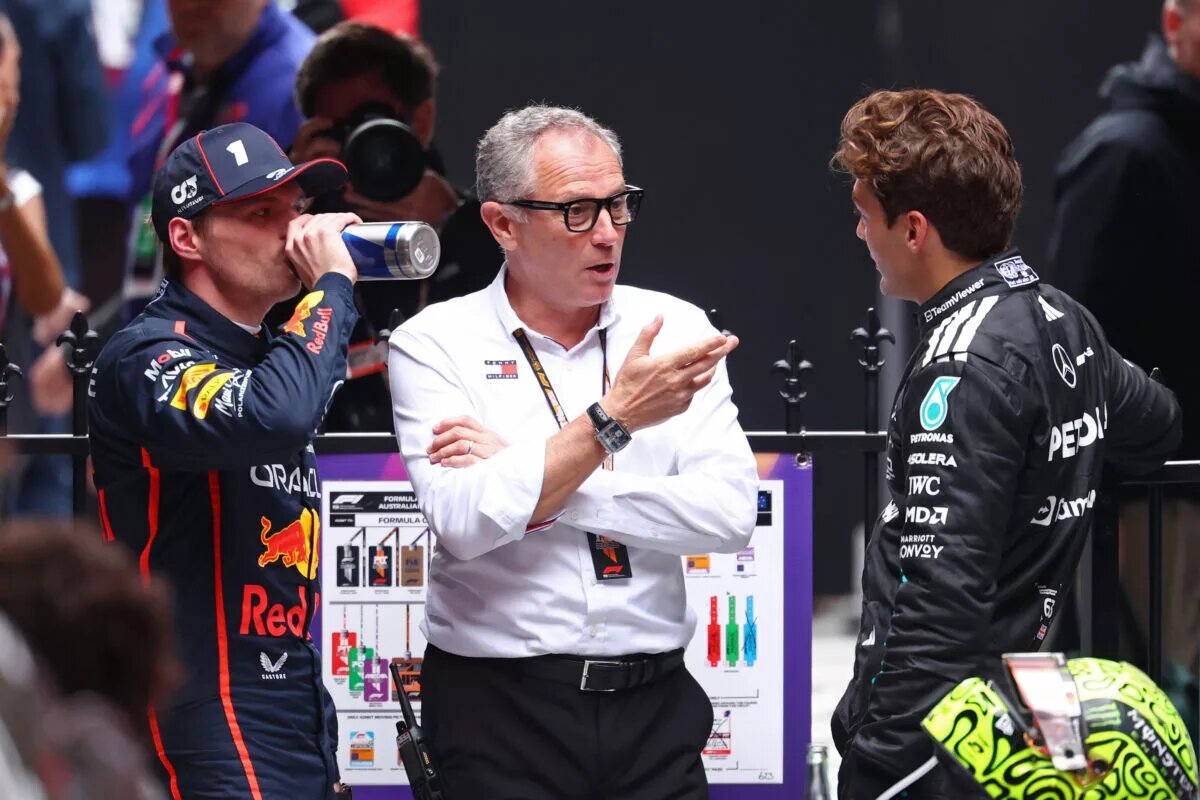
According to Stefano Domenicali, it is important to continue re-evaluating how to evolve the sport.
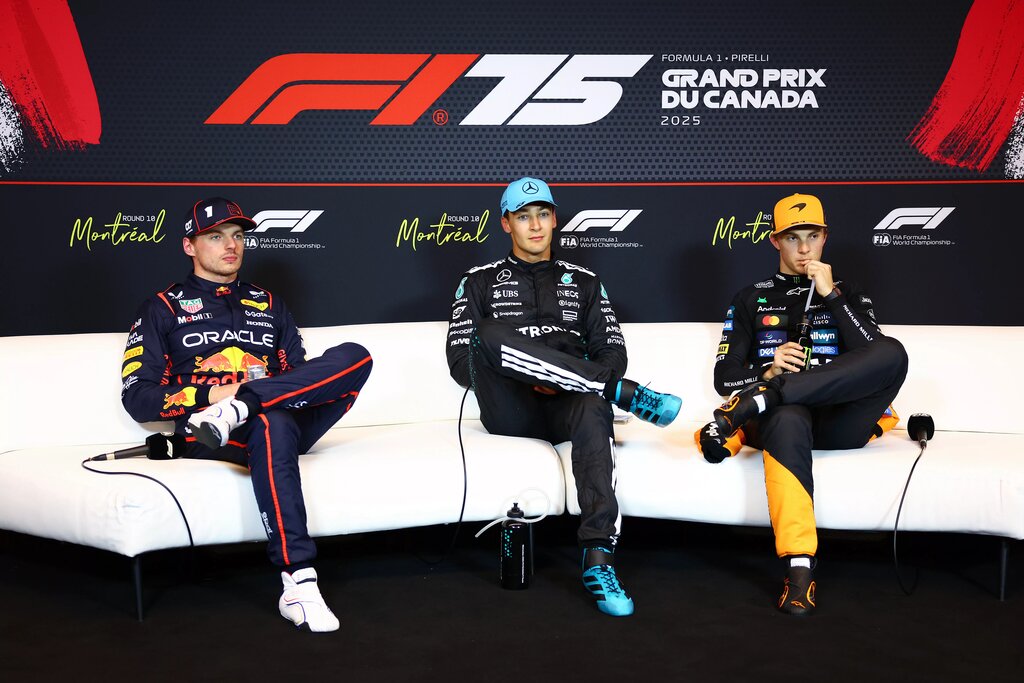
Domenicali suggests more Sprints, reverse grids
Since becoming F1 CEO, Domenicali has overseen a successful period of growth.
To some extent, the sport’s rise in popularity in 2021 was thanks to the titanic Championship battle between Lewis Hamilton and Max Verstappen.
To be clear, Formula 1 has always been a very popular sport.
Throughout the 21st century, it has been standard for races to hit international viewership figures of at least 50 million.
In this sense, F1’s expansion should not be misunderstood for a renaissance of a dormant
Regardless, there has been a growth in popularity over recent years.
This is thanks to a combination of factors, including the success of Drive to Survive and F1’s improved social media presence since Liberty Media took over.
Changes to the weekend format have also been introduced, with Sprints featuring in 6/24 race weekends.
These alterations have been met with mixed reactions, although Sprint weekends have achieved the desired effect of increasing Friday viewership.
Previously, Stefano Domenicali has hinted at increasing the number of Sprints.
What is notable in his recent interview with it.motorsport.com, however, is an openness to reverse grids:
“We’ve discussed it in the past, but in the coming months we’ll need to have the courage to push the discussion forward.
“I’ve even heard from several drivers who proposed it. Initially, they were all against it.
“But at the last meeting, many of them said – ‘Why don’t we try?’ This format has been around in F2 and F3 for decades.
“But I believe it’s an area where there’s no right or wrong position. All opinions count. We’ll make our assessments together with the FIA.
“We’ll have to interpret the evolving trend as best we can, that’s for sure.”
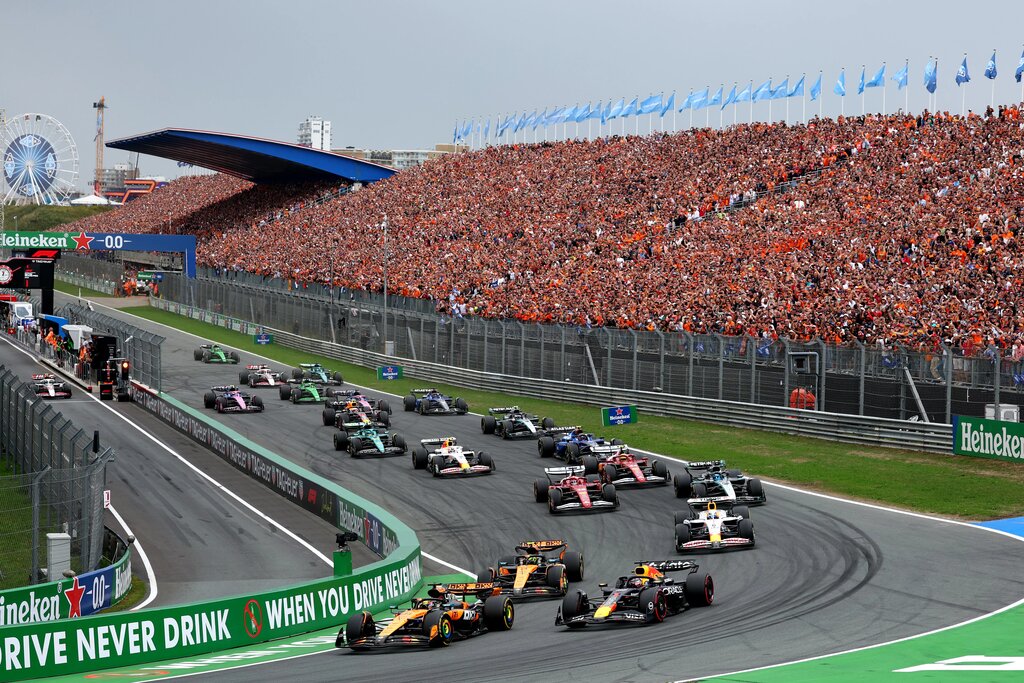
How likely are further changes?
As mentioned previously, Liberty Media deserve credit for many of the changes they have introduced.
The budget cap, for example, was a long-overdue rule that helped level the playing field in Formula 1.
Embracing social media, from YouTube to Netflix series, has also been an objective success.
At the same time, it should be emphasised that these adjustments simply made F1 more accessible to fans and the wider sport.
It is the sport itself, which until now has not been massively changed, that has converted this interest into increased viewership.
Making fundamental changes to the sport risks making F1 increasingly difficult to recognise.
Not only could reverse grids alienate existing fans, but there is little evidence to suggest fundamental changes to the format will attract new viewership.
Reverse grids, on paper, are a proposition that could add excitement to a race weekend.
However, reverse grids are inherently a gimmick – thereby creating ‘excitement’ in a contrived an unnatural way.
It is also doubtful whether seeing the slowest driver inevitably plummet down the order (after being artificially put on Pole Position) would be a worthwhile experience anyway.
Ultimately, any changes need approval from teams and drivers.
In this sense, it remains to be seen to what extent F1 will morph and evolve in the coming years.
Main photo: Photo by Clive Rose/Getty Images (Red Bull content pool)