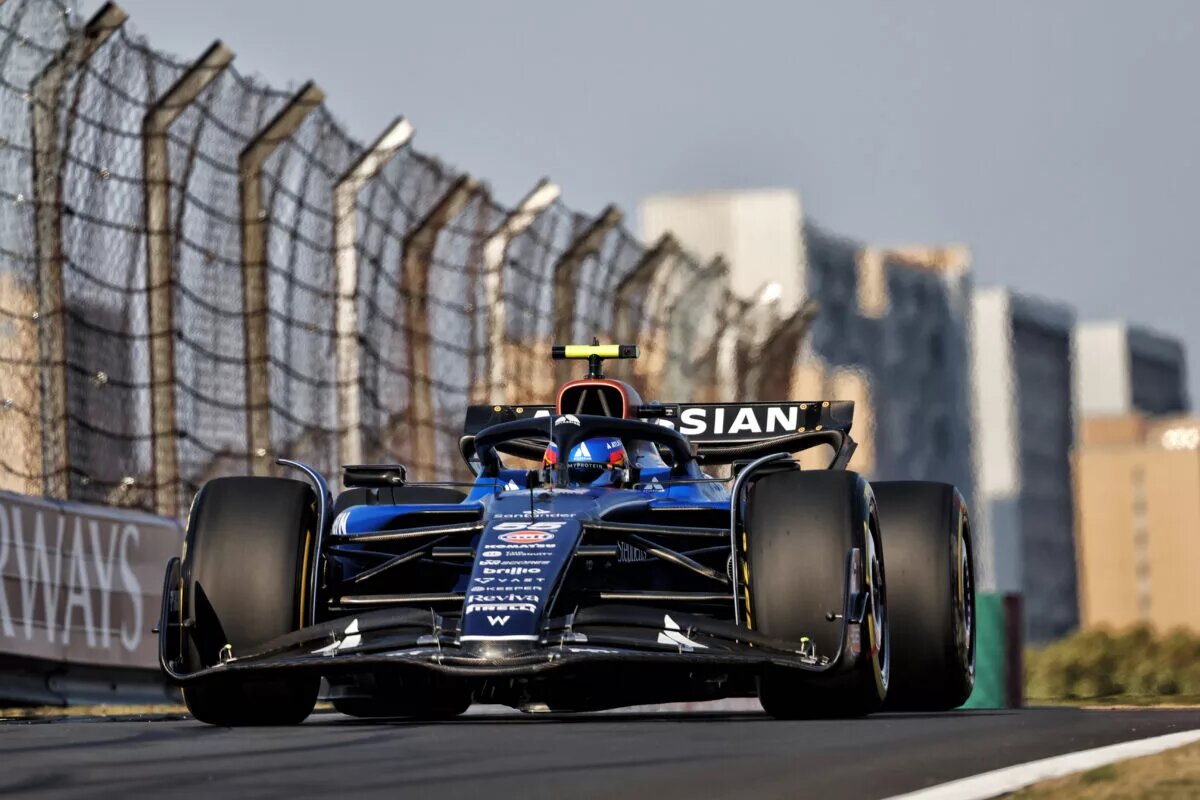

In the face of a difficult start to his Williams career, Carlos Sainz is optimistic about the future.
The 30-year-old believes the team are showing signs of potential for the future, enhancing his belief in the Grove project.
Still, Sainz is hopeful for better execution in the second half of the year – at least from an operational perspective.
He wants to end 2025 on a strong note to build momentum for next year, where Williams have been concentrating their efforts for some time.
As James Vowles’ team build towards the new regulations, Sainz wants to be fully integrated.
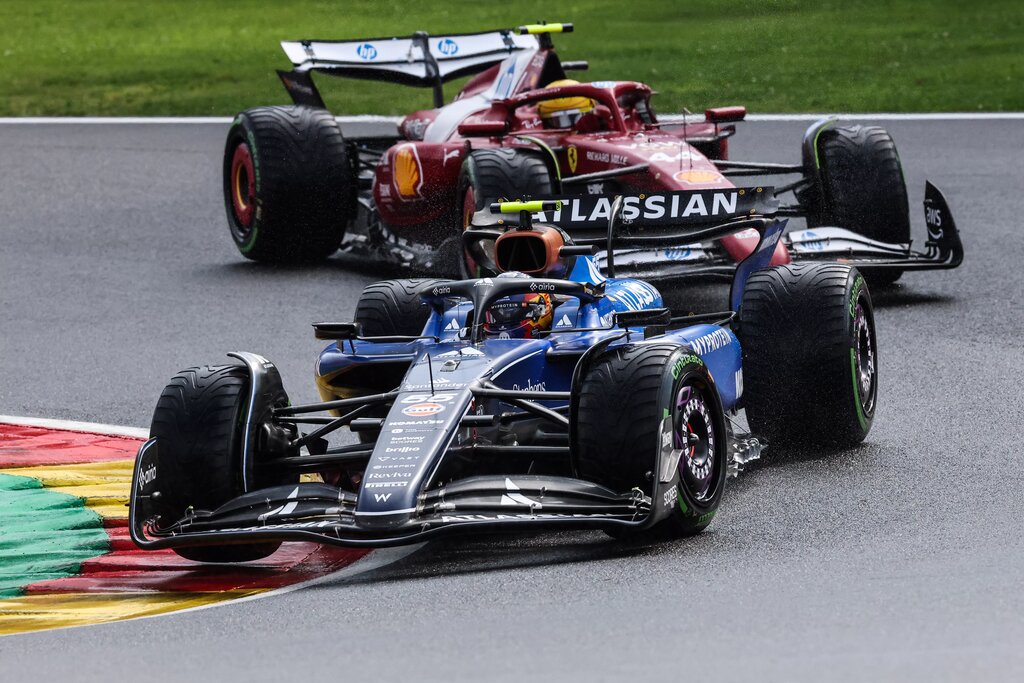
Sainz reflects on Williams’ signs of promise
For obvious reasons, Carlos Sainz’s move to Williams was a surprise when it was announced last summer.
After spending almost half a decade at Ferrari, the Spaniard was forced to change course following the Scuderia’s shock acquisition of Lewis Hamilton.
With no places available at the top teams, Sainz was presented with several different projects in the midfield.
It was ultimately Williams to earned his signature, following months of negotiations with team principal James Vowles.
Vowles convinced the 4-time race winner of the potential at Williams, particularly ahead of the 2026 regulations.
Significant investment into new infrastructure and top personnel, in combination with the relative security of a Mercedes power unit in 2026, was enough to get Sainz on board.
Speaking after a difficult first half of the year, Sainz told Racer about his observations of the team:
“My hopes were that Williams would be a solid midfield car in ’25, that allowed me to fight for points and not be at the back end of the grid…
“The fears were being at the back of the grid, and finding a team that doesn’t have the potential to actually be a Championship contender.
“But I must say that part is also covered.
“I see good potential and a very strong project to actually be competitive in the future.
“I don’t regret the move, for sure. And I’m actually pretty encouraged for what I’ve seen.
“2025 has exceeded my expectations in terms of car performance and what the team is capable of doing.”
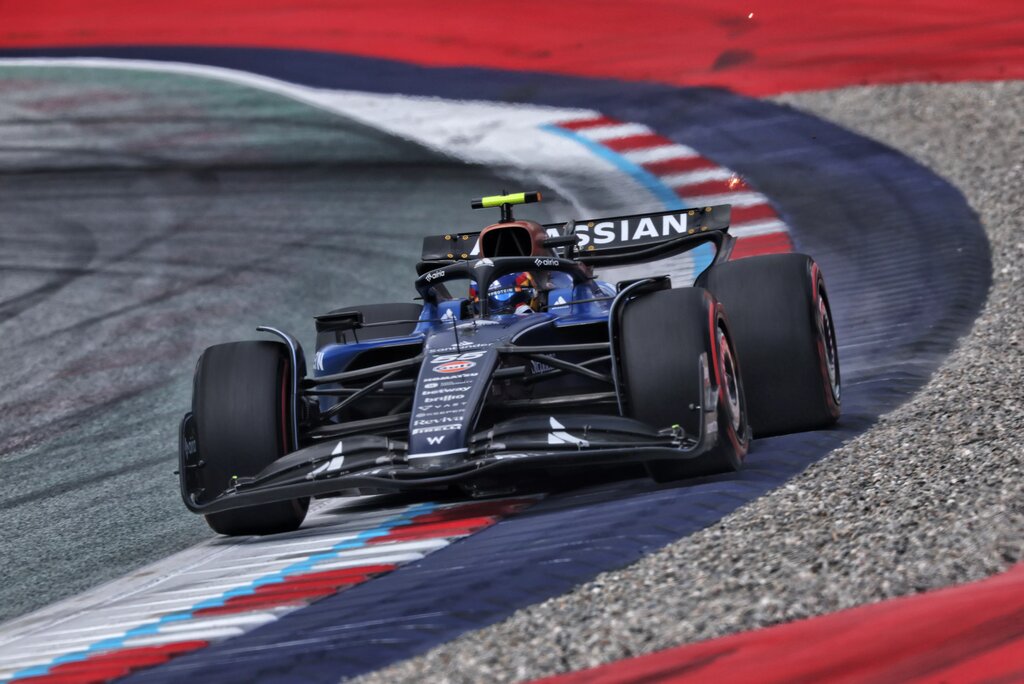
Why 2026 will set the tone
Since James Vowles became team principal at Williams, his declarations have always been infused with a certain level of confidence.
His decision to replace Sargeant with Colapinto mid-season in 2024 was evidence of Vowles’ willingness to be ruthless.
As Alex Albon has demonstrated, Williams have two competitive drivers – especially in the context of their recent history.
Considering that Williams have focused on the 2026 regulations earlier than most, they will be a team to watch next year.
Vowles reiterated on numerous occasions last year that the team’s entire development strategy was build around the new regulations.
This is partly why the FW47 has made relatively limited progress this year. Meanwhile, other midfield teams have made considerable gains with updates.
Regardless, both Sainz and Albon will be hopeful they are fighting towards the sharp end of the field next year.
Only time will tell if Williams have a strong aerodynamic platform for the next generation of cars.
Main photo: via Williams media gallery