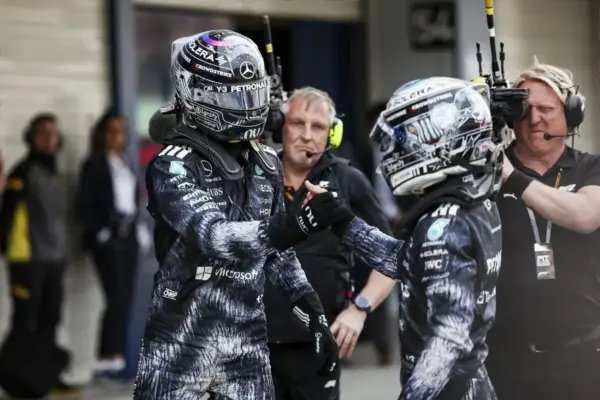


As we prepare for the 2025 Chinese GP, we look back at the success the Shanghai International Circuit has given us.
China Grand Prix: An Open Door to the Asian Market
The F1 Chinese Grand Prix made its debut on the World Championship calendar in 2004. It quickly became one of the landmarks of the sport, as it expanded into the Asian market.
The race is held at the Shanghai International Circuit, known for its technical and complex layout, designed by architect Hermann Tilke.
After a few cancellations in recent years due to the COVID-19 pandemic, the Chinese GP has once again become a key stage of the championship thanks to the strategic importance of the Chinese market for the global growth of F1.
The race represents an opportunity to consolidate motorsport’s presence in a rapidly expanding economic and sporting area.
Protagonists of the Past
Over the years, the Chinese GP has seen some of the biggest names in F1 triumph.
The driver with the most victories is Lewis Hamilton, who has taken the top step of the podium six times, consolidating his dominance on the Shanghai circuit.
Sebastian Vettel and Nico Rosberg are other protagonists who have left their mark, giving us exciting battles and unforgettable moments.
Among the most iconic episodes, the 2007 edition is worth remembering. Hamilton, who was a rookie, went off track entering the pits in the rain, losing an almost certain victory and compromising his first world title
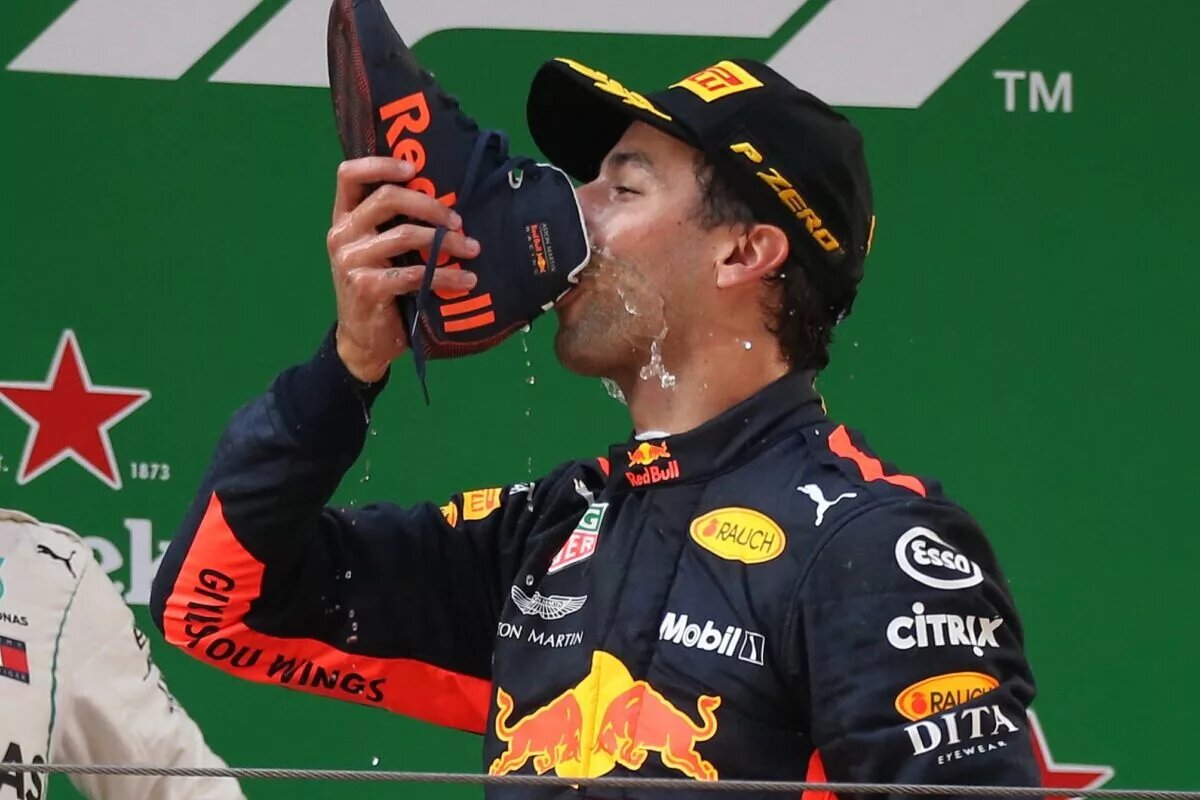
There was also Daniel Ricciardo’s spectacular victory in 2018, achieved thanks to flawless strategy and daring overtaking. These moments have made the Chinese GP a race full of history and fascination for fans and drivers alike.
The 2010 GP also left its mark, with Jenson Button winning in variable weather conditions. These moments show how the Shanghai circuit can turn a seemingly predictable race into an unpredictable spectacle.
YOU MAY ALSO LIKE: Reliving the Events of the 2024 $1 Million Challenge
The Most Successful Teams
The Chinese GP saw the dominance of some of the most prestigious teams in F1. Mercedes is the most successful team in Shanghai, with six wins from Hamilton.
Thanks to a series of victories during the hybrid era, from 2014 onwards. The German team has made the most of the circuit’s characteristics, combining engine power and flawless strategies.
Ferrari have also made their mark, especially in the early years of the race. They’ve enjoyed success from Michael Schumacher and Fernando Alonso.
Red Bull, on the other hand, has been able to capitalise on the most unpredictable situations. This was demonstrated by Daniel Ricciardo‘s victory in 2018, achieved thanks to a daring pit stop strategy.
These teams have been able to adapt to a complex and often unpredictable circuit, becoming undisputed protagonists of the Chinese GP.
The Future of the Chinese GP: Return and Growth Prospects
After the recent cancellations due to the pandemic, the Chinese GP is ready to regain its place on the F1 calendar after returning in 2024.
The growing interest of the Chinese public in motorsport makes the return to Shanghai a strategic opportunity to consolidate the Asian market.
In addition, the entry of Chinese drivers in the minor series and the development of young local talent could further increase interest in the race, thus creating a stronger link between China and the F1 world.
The Chinese GP has the potential to become an increasingly important stage, both on a sporting and commercial level, contributing to the global growth of the circus.
READ NEXT: F1: Red Bull Considering Lawson Mid-Season Swap
Main Photo
Credit: IMAGO / VCG
Recording Date: 16.04.2018