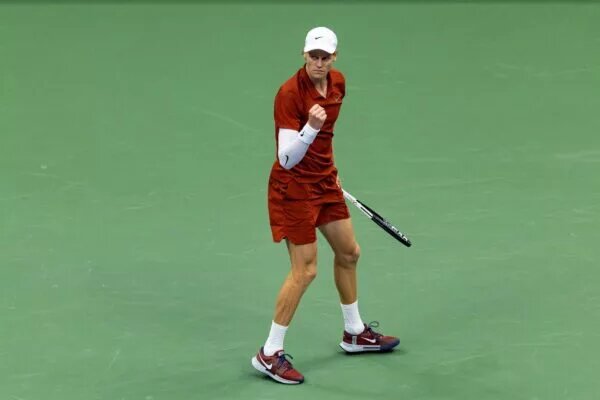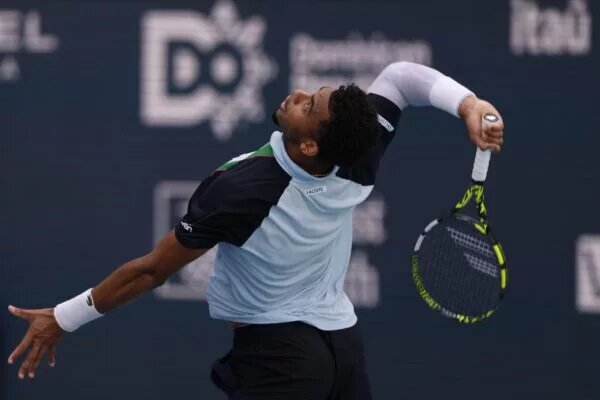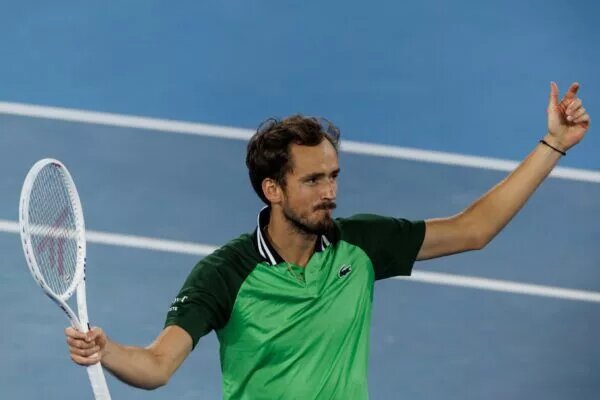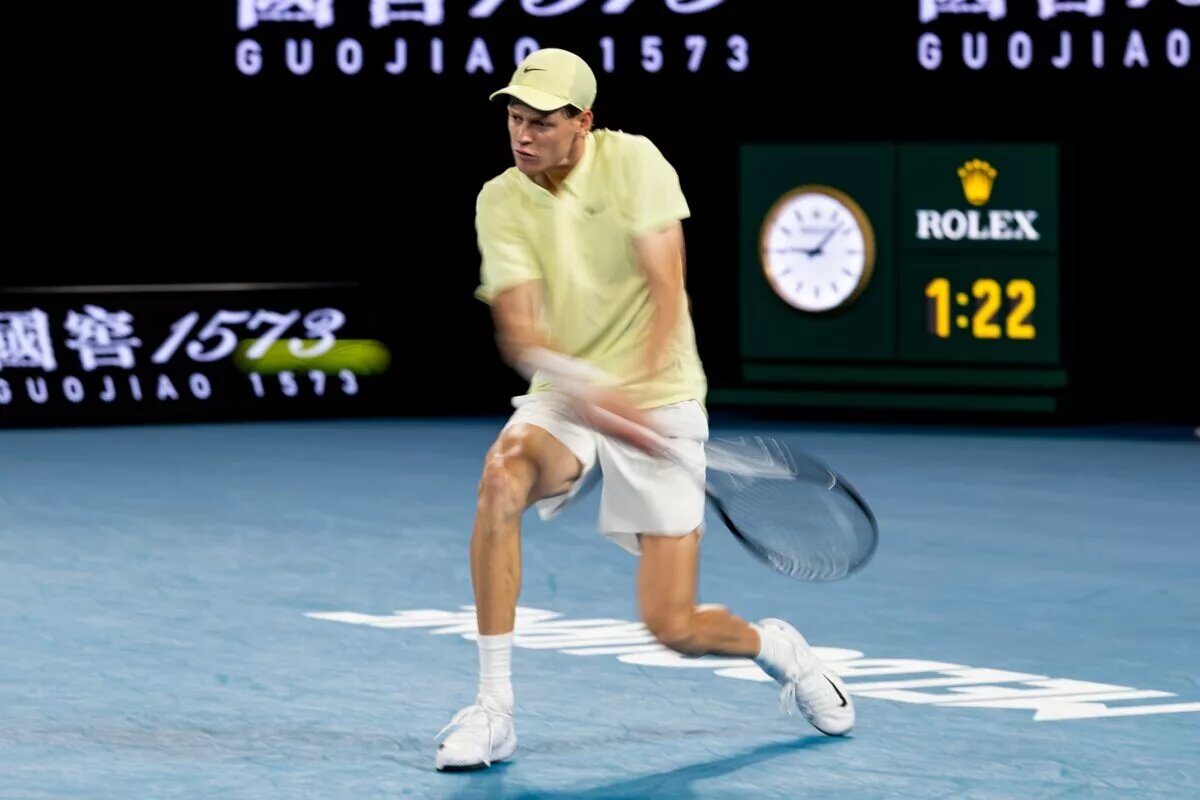

The Canadian Open field for 2026 lost its three biggest draws before the tournament even reached its opening Monday. Novak Djokovic and Jannik Sinner both withdrew on the same Friday, confirmed by Tennis Canada, having originally appeared on the entry list for the ATP Masters 1000 event at IGA Stadium running August 1 to 13. Carlos Alcaraz had already been left off the list entirely, still working his way back from the wrist injury that has kept him out since Barcelona in April. Sinner’s statement captured the tone of the whole situation perfectly: “After carefully considering all the factors together with my team, we have made the difficult decision to withdraw from Montreal. It is never easy to miss such an important event, but we believe this is the right decision to prioritize my health.” Djokovic offered a similarly measured version of the same message.
With all due respect to whoever ends up lifting the trophy, a Masters 1000 missing its world No. 1, its most decorated active champion, and its reigning US Open champion all at once is not the tournament it’s supposed to be. And this isn’t a one-off. It has become the expected outcome, and the reason traces directly back to a scheduling decision the sport made and has not meaningfully reconsidered since.
How the New Format Killed the Canadian Open
A Format That Nobody Asked to Survive Twice
The Canadian Open now sits inside an extended, roughly 2-week Masters format, immediately followed by a similarly extended Cincinnati Open, both squeezed into the same short stretch of summer that leads directly into the US Open. That is two long Masters events back to back, with a Grand Slam waiting on the other side of them. Nobody wants to play both at full intensity. The physical toll of two consecutive extended hard-court tournaments, layered on top of whatever a player’s body absorbed across the clay and grass swings earlier in the year, leaves almost no margin left for the tournament that actually determines the players’ fall.
Given a choice between the two, the players are making the obvious one, and it isn’t close. Cincinnati is now, by a wide and consistent margin, the preferred stop, and Montreal and Toronto have become collateral damage of a format that never should have demanded both.
Why the Choice Isn’t Really a Choice
The reasoning goes beyond simple fatigue math, though that alone would be enough. It comes down to conditions, and specifically to how differently these hard courts actually play. Montreal has long been recognized inside the sport as a noticeably slower hard court than its counterpart city, a step down in pace from what Toronto typically produces, and a significant step down from Cincinnati specifically. Cincinnati’s GreenSet surface has been ITF-certified in the medium-to-medium-fast range, and the tournament has built a reputation over recent years as playing close to identical to US Open conditions once the tour reaches Flushing Meadows. That similarity is precisely why Cincinnati has become known, informally but consistently among players and coaches, as the single most valuable hard-court tune-up available before the year’s final major.
Montreal, as a slower surface, simply does not offer that. A top player working out timing, serve rhythm, and return positioning ahead of the US Open gets more direct transferable value from a week in Cincinnati than from a week in Montreal, because the ball behaves closer to what they’ll actually face in New York. When the format only demanded one tune-up, players could rotate between the two Canadian cities without much cost either way. Now that the format effectively demands a choice between two full extended commitments, the conditions gap stops being a minor preference and becomes the deciding factor. If Montreal offered the same short, lower-cost format it used to, most players would probably still show up, because the toll on the body would be manageable alongside Cincinnati. It’s the length of the new format, stacked directly against a tournament that already does the job better, that makes skipping Montreal the rational call rather than the exceptional one.
A Historic Event Being Quietly Sidelined
None of this is a reflection on Montreal as a city, a crowd, or a tournament with genuine history. The Canadian swing traces back to 1881, trailing only Wimbledon and the US Open in continuous tradition. That history is precisely what makes watching it get squeezed out by its own calendar placement so frustrating. The tournament isn’t being abandoned because players dislike it. It’s being abandoned because the sport built a format that makes playing it, alongside Cincinnati, alongside the US Open immediately after, unreasonable for anyone chasing a deep run in New York.
The players are not being unreasonable here. Sinner, Djokovic, and, by absence, Alcaraz are making the correct individual decision given the calendar they’ve been handed. The problem sits entirely with the format itself: two extended Masters events, back to back, immediately before a Grand Slam, with one of those two events playing conditions that simply don’t match what’s coming next. Something has to give, and this year, for the third time running with all three of the sport’s biggest current draws missing, that something is Montreal. Until the format changes, there is no reason to expect a different outcome next year either.
Main Photo Credit: Mike Frey-Imagn Images