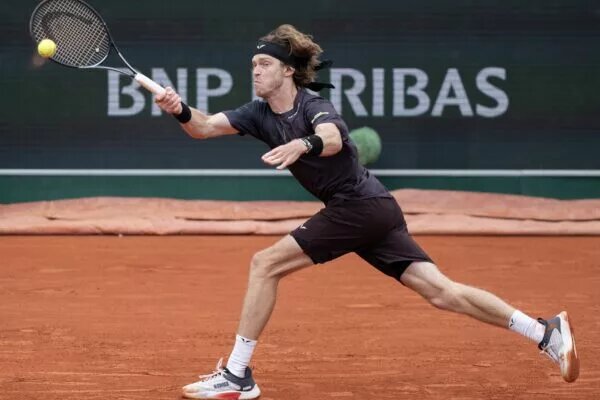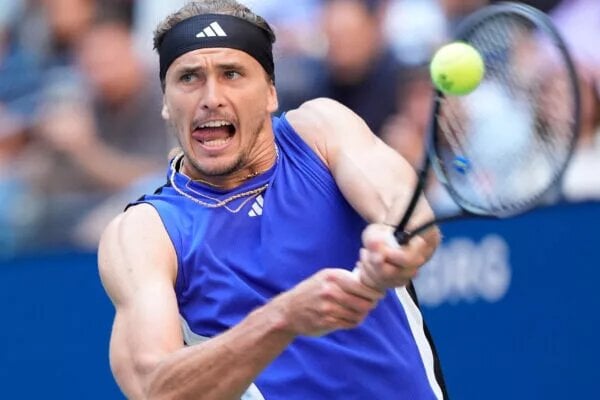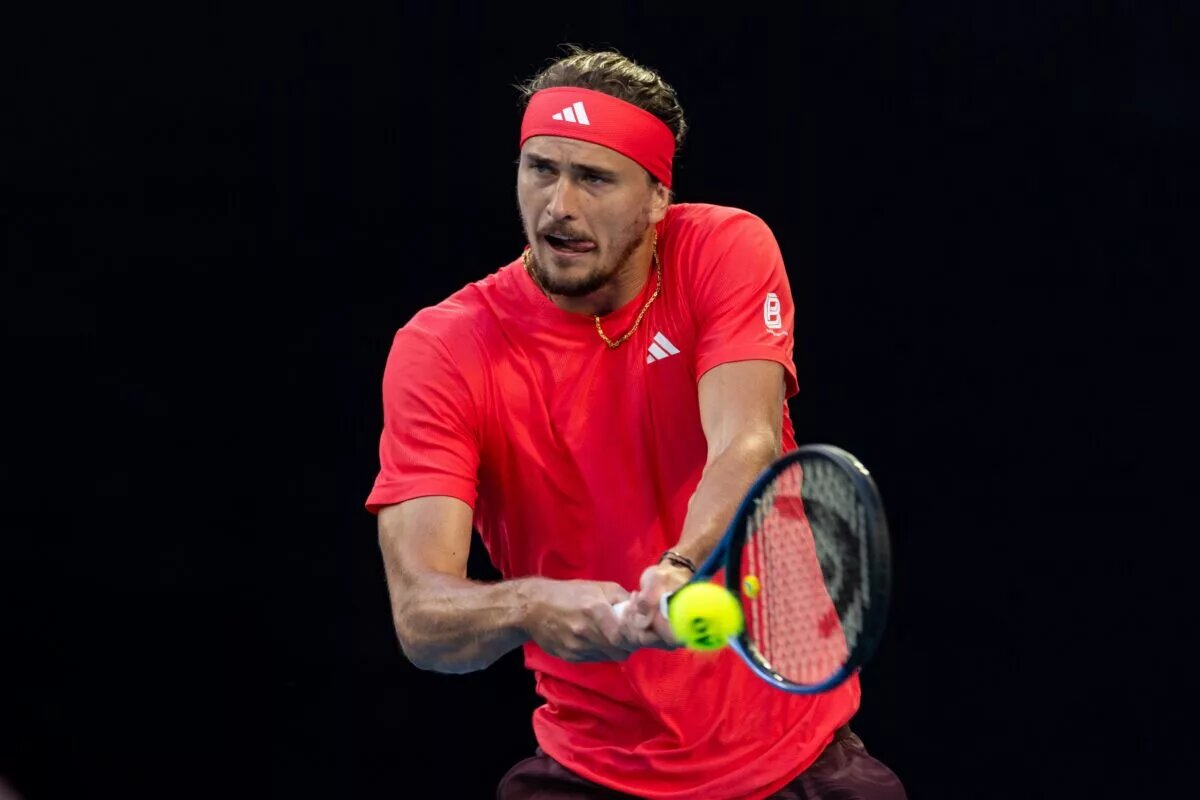

In the first men’s semifinal of the 2026 French Open, it’s a compelling clash of experience versus youth: #2 seed Alexander Zverev against 20-year-old Jakub Mensik. Top seed Jannik Sinner exited early, followed by Novak Djokovic’s elimination, which left Zverev as the highest-ranked player remaining and the clear favourite for a first Grand Slam title. So far, he has borne the expectations with aplomb and is into his 11th Major semifinal. On the other hand, the #26 seed, Mensik, has shown incredible resilience and tennis to reach his first-ever Grand Slam semifinal. Below is an in-depth preview of this mouthwatering encounter.
French Open Men’s Semifinal Preview
Alexander Zverev
Zverev has looked dominant in this tournament, losing just one set en route to the semifinal. His path was fairly easy until the fourth round, and his biggest test came in the quarterfinals, where he defeated Rafael Jodar 7-6(3) 6-1 6-3, extending an impressive French Open tiebreak streak to 12. Jodar began impressively by breaking Zverev early in the first set, but the German broke back and won the first set in a tiebreaker. Thereafter, Zverev played flawless tennis and dismantled the Spaniard with ease.
Zverev has long been one of the game’s most consistent top players, but Grand Slam success has eluded him. This tournament represents his best chance yet amid the upsets, and he is two wins away from achieving his dream. There was not much separating them when Zverev played Mensik in Madrid, and he should be ready for a big challenge.
Keys to Success
This is Zverev’s fifth French Open semifinal and his most efficient in terms of sets dropped and time on court. Being clinical pays off, and he will have the physical advantage if this match turns into a marathon.
It will be very interesting to watch which version of Alexander Zverev shows up… because he might think he has better stamina than Mensik, so maybe he will just try to outlast Mensik, which would be perfectly in Zverev’s comfort zone. However, that will also give Mensik the chance to be the aggressor and play on his terms, which is not what Zverev would want. The German must aim for a good balance of attack and solidity.
One thing Zverev would be relieved about is that he won’t get burned in the forehand-to-forehand exchanges and might even come out on top if he has a great forehand day. Zverev is a player who, rather than just being great defensively, makes himself incredibly difficult to attack (he defends very well, but he doesn’t want to be running side to side; he wants to be jogging side to side and just ripping the ball from a little behind the baseline). Mensik’s forehand has stood up well this tournament, but he doesn’t generate pace off that shot as well as someone like Joao Fonseca could to trouble Zverev.
Mensik returned superbly against Fonseca, who made 70% of his first serves, but the accuracy was not elite. Zverev’s serve accuracy can be similar in search of a higher percentage, and it has cost him numerous times against Jannik Sinner and other great returners. He must not compromise the accuracy and try to spread the court with his serve. Also, Mensik can be vulnerable on second serves. Zverev should attack these aggressively to generate break opportunities.
Jakub Mensik
Jakub Mensik has shown in this tournament that he is a warrior and has nerves of steel. He has overcome cramping issues earlier in the tournament, battled past Andrey Rublev in five sets in the fourth round, and then outplayed fellow Gen Z star Joao Fonseca as an underdog. This marks Mensik’s first Grand Slam semifinal and makes him the youngest Czech man to reach this stage in the Open Era.
The key to Mensik’s performance against Fonseca was a mix of fantastic serve + net play combination, combined with great defense and transition play. His return of serve was also brilliant, as he let Fonseca win just 61% of points behind first serve. He will be looking to take revenge for the Madrid Open loss to Zverev and book his spot in the final.
Keys to Success
In the first two sets against Fonseca, Mensik averaged around 75% on first serves. This number is hard to achieve in outdoor conditions, but he still has to be way above his 52-week average of 59% to make it difficult for Zverev. It will be a serve-dominated match, and Mensik can’t afford to fall behind.
Zverev’s points win percentage when his opponent is at the net is lower than the tour average, so Mensik should exploit it as much as he can. He is certainly capable of doing it, as shown against Fonseca.
Another key factor for Mensik would be the use of drop shots. Novak Djokovic exploited Zverev’s deep position brilliantly in last year’s quarterfinal by spamming drop shots after drop shots. It won’t be as easy this time around as Zverev has emphasised playing closer to the baseline this season. However, Mensik should keep a keen eye, recognise when Zverev is deep and counter with drop shots. Taking Zverev out of his comfort zone would be crucial.
Zverev has a lot of pressure on him, while Mensik, at 20, will get many more chances than the German in the future. To test Zverev’s nerves to the limit, Mensik must remain extremely focused and stay with Zverev throughout the sets. If he gives away cheap breaks to Zverev, he would run away with the match. Mensik must put the scoreboard pressure all the time, and that might make Zverev tight.
A French Open final spot is up for grabs for these two exceptional players, which should be enough incentive for them to bring out their best tennis and entertain the fans with an intriguing match.
Main Photo Credit: Mike Frey-Imagn Images