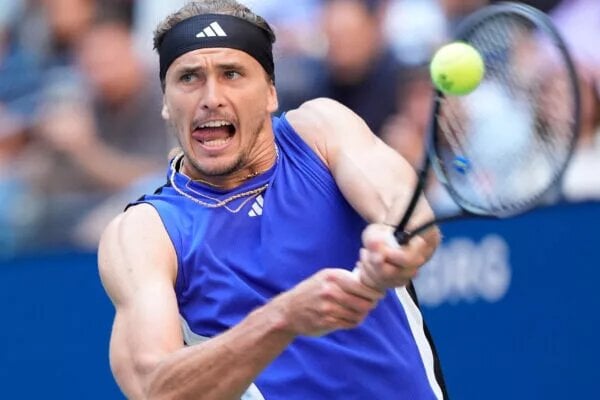

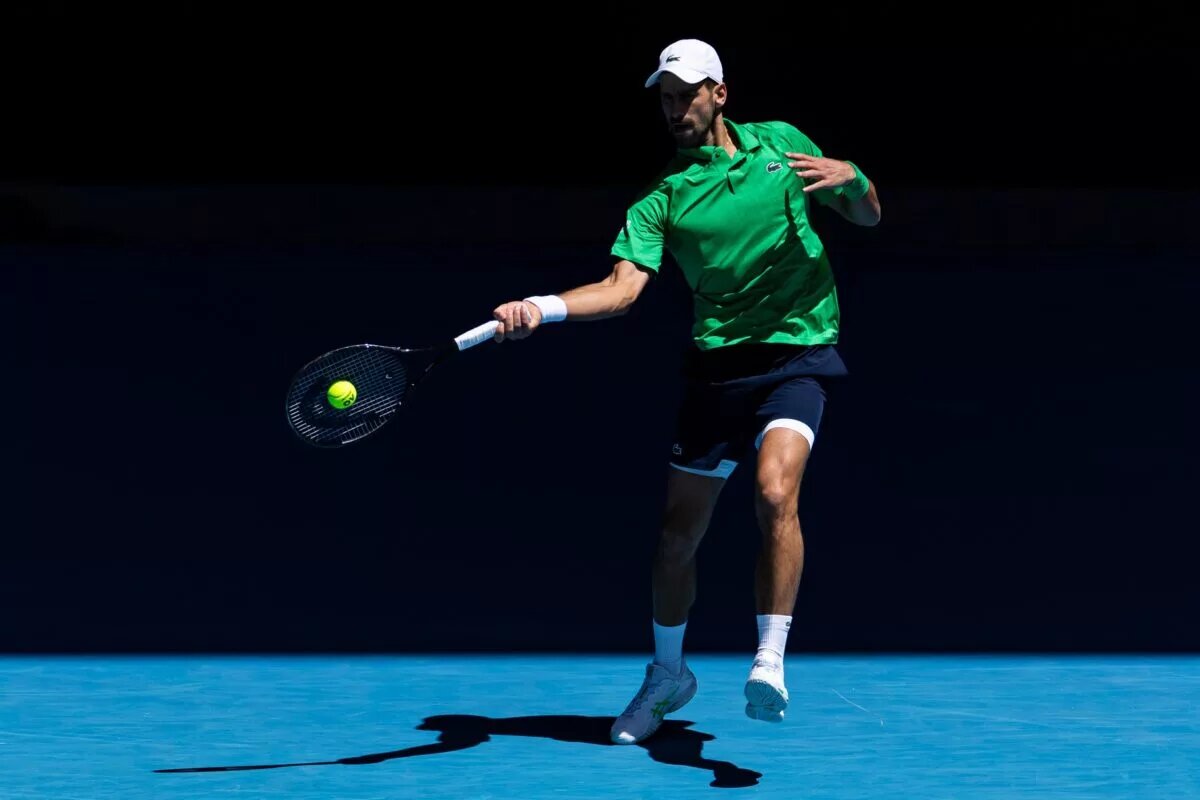

The 2026 Australian Open final is set, and it brings a rematch of last year’s quarterfinal as Carlos Alcaraz, chasing his first Australian Open title, goes up against Novak Djokovic, the tournament’s most successful champion ever. It is a match filled with legacy‑impacting storylines and subplots.
It is rare in tennis to see a match where the outcome could be legacy‑defining for both players, but this final fits that description perfectly. A win for Carlos Alcaraz would see him become the youngest men’s player in the Open Era to complete the Career Grand Slam, as well as the first player ever to defeat Novak Djokovic in an Australian Open final. A victory for Novak Djokovic, meanwhile, would take him to territory no other men’s or women’s singles player has ever reached: 25 Major titles.
With the stakes this high, here is a complete tactical breakdown and preview of what to expect and what to look out for in the final.
Alcaraz vs Djokovic: Australian Open Preview and Tactical Breakdown
Head‑to‑Head
Both players have faced each other nine times already across all three surfaces, with Novak Djokovic currently leading the head‑to‑head 5–4. This includes a stretch in which Djokovic has won four of their last six meetings, most notably their matchup last year on this very court at this very tournament.
Overall, the two have played each other four times on hard courts, with Djokovic winning three of those encounters. The only hard‑court victory for Alcaraz came in the US Open semifinal last year, which the Spaniard won in straight sets against a physically hampered Djokovic.
It is also important to note that the conditions in Melbourne tend to favour Djokovic more than Alcaraz, especially during the night session. Djokovic is a perfect 21–0 in Australian Open semifinals and finals played at night. The slower night-time conditions reduce the effectiveness of Alcaraz’s raw power, giving Djokovic more time to counterpunch and simultaneously increasing the effectiveness of the Serbian’s serve.
Tactical Breakdown
I had a similar breakdown of this matchup ahead of their US Open semifinal last year. While that match did not fully materialise tactically due to Djokovic’s depleted gas tank, the core tactical themes remain largely unchanged heading into this final, provided both players are fully healthy and capable of sustaining intensity over a long match.
Carlos Alcaraz
When Carlos Alcaraz lost the quarterfinal of this tournament to Novak Djokovic last year, two key issues stood out. First, Alcaraz’s serve, which at the time was still a work in progress, was not equipped to handle an elite returner like Djokovic, particularly in the cooler conditions. Second, Alcaraz’s rally tolerance and patience in constructing points needed significant improvement.

A year later, those two areas have not only been remodeled but have arguably become two of the Spaniard’s biggest weapons. Alcaraz has won over 60 percent of points on his second serve at this tournament, compared to under 55 percent at last year’s event.
He has also made notable technical adjustments to his groundstrokes. Both his forehand and backhand are now more compact and better suited to absorbing pace, aided by improved footwork. As a result, Alcaraz has become a more willing and patient rallier, something he demonstrated at the US Open last year, when he, for the first time, matched Djokovic on a hard court in points won in rallies lasting more than six shots.
For Alcaraz to reverse the result of last year’s quarterfinal, he will need a strong second‑serve performance, ideally winning at least 55 percent of points on that delivery, while also being aggressive when attacking Djokovic’s second serve. If he can win the battle of the second‑serve and return dynamics, he will place himself in a strong position, as his forehand and backhand should now be capable of going shot‑for‑shot with anyone on tour.
Novak Djokovic
The biggest question for Novak Djokovic entering this match is whether he can endure another war of attrition against an all‑time great who is more than fifteen years younger than him. If the answer is yes, and Djokovic does indeed have a five‑hour, full‑intensity match in him if required, he will like his chances against Alcaraz on a Rod Laver Arena night session more than on any other court or under any other conditions.
Djokovic’s serving performance will be paramount. At this stage of his career, he will likely need a steady supply of free points against an opponent who can, in all likelihood, out‑rally him from the baseline. Historically, Djokovic’s deuce‑court slider and ad‑court T serve have been particularly effective against Alcaraz, and he will need to rely on those patterns once again.
If that foundation is in place, Djokovic will also need to take calculated risks on Alcaraz’s improved but still attackable second serve, especially in key moments. From there, the focus shifts to baseline patterns. Early in the match, it should become clear whether Djokovic can still absorb, redirect, and counter Alcaraz’s power effectively without being dragged all over the court. The colder night conditions should help make this task more manageable, but it will still be a demanding challenge.
One pattern that has worked for Djokovic in the past, and should theoretically be available again, is the backhand down the line whenever Alcaraz commits to an inside‑out forehand. In Melbourne’s slower conditions, Alcaraz’s forehand tends to sit up more than it does in places like New York, giving Djokovic a potential opening.
Final Insight
This match will likely come down to which player is more proactive and aggressive in seizing the opportunities presented to him. Remarkably, a final featuring such a large age gap can still be a compelling, competitive battle. With stakes this historic, nerves are inevitable on both sides, making the opening stages of the match crucial. An early break of serve could be enough to decide the first set.
At this stage, based purely on current form and tools, Carlos Alcaraz appears to have more advantages at his disposal. However, Novak Djokovic showed in the semifinals that, on a Rod Laver Arena night session, the soon‑to‑be 39‑year‑old remains fully capable of producing history.
In the final match of this year’s Australian Open, who do you want to win?
Main Photo Credit: Mike Frey – Imagn Images