
As the 2025 French Open concluded with Carlos Alcaraz’s thrilling victory over Jannik Sinner, a familiar debate overshadowed the spectacle: Roland Garros remains the only Grand Slam resisting full electronic line calling (ELC). While Wimbledon joined the Australian Open and US Open in adopting the technology this year, the French Tennis Federation (FFT) clings to human line judges and clay’s “natural review system”–a stance that sparked fresh controversy during the tournament.
The Case for ELC: Precision and Player Preference
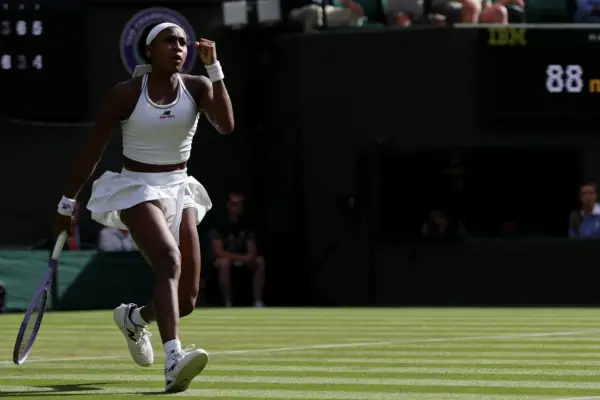
ELC’s dominance across the sport is undeniable. The ATP mandated its use at all Tour events in 2025, including clay-court tournaments like Madrid and Rome, where players initially struggled with discrepancies between ball marks and digital calls. Yet, most now prefer the consistency of technology. “Machines don’t feel the pressure at five-all in the final set,” noted one umpire. Coco Gauff summed up the generational shift: “If we have technology, we should use it.” Even traditionalists like Novak Djokovic concede ELC is “more accurate and saves time.”
Clay’s Unique Challenge: Ball Marks vs Technology
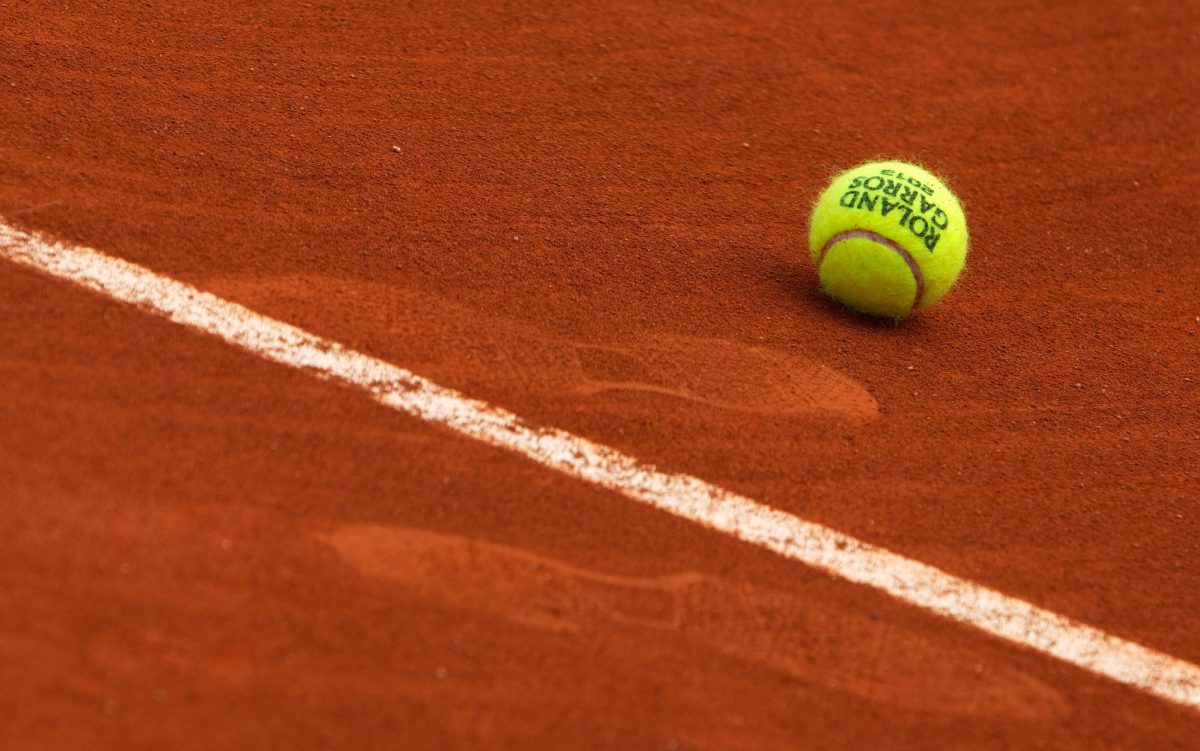
The FFT argues that clay’s visible marks provide a fail-safe, but this logic is flawed. As Hawk-Eye inventor Paul Hawkins explained, marks can be deceptive: a ball may clip the line but leave a mark millimeters beyond due to the surface’s “live” nature. At the Madrid Open, Alexander Zverev and Aryna Sabalenka famously photographed disputed marks, highlighting the system’s flaws. Sabalenka later admitted, “I’m really confused what I prefer,” encapsulating the tension between tradition and progress.
2025’s Turning Point: Alcaraz-Sinner and the Cost of Delay
The men’s final exposed the human system’s vulnerabilities. A pivotal Alcaraz winner was incorrectly called out, prompting Sinner to overrule the line judge. Later, Alcaraz returned the favor when a Sinner shot was incorrectly ruled long. These acts of sportsmanship were commendable and drew praise from commentators and fans, but they also masked a deeper issue: in 2025, the integrity of a Grand Slam final should not hinge on the goodwill of its players. Similar incidents occurred throughout the tournament, including a disputed call in Iga Swiatek’s fourth-round match, where umpire Kader Nouni overturned a line judge’s error after inspecting a mark. These episodes undermine the FFT’s claim that clay’s “natural” review suffices.
Tradition vs Progress: The FFT’s Stubborn Stance
FFT president Gilles Moretton insists line judges are “ambassadors of the sport” and vital for French tennis development. But this rationale ignores ELC’s benefits: reduced disputes, faster play, and data-driven accuracy. As Andrea Gaudenzi, ATP chairman, stated in 2023, “Our sport deserves the most accurate officiating.” With Wimbledon’s 2025 transition to ELC–ending 147 years of line judges–Roland Garros risks becoming an outlier, not a guardian of tradition.
The Path Forward
The French Open’s reluctance is understandable but unsustainable. As Madrid’s ELC trials showed, initial glitches (like Zverev’s disputed call) can be mitigated with education and calibration. The tournament could pioneer hybrid solutions, such as Foxtenn’s camera-based mark verification, to bridge the gap between clay’s quirks and modern standards.
The 2025 tournament was a masterpiece of drama, but its legacy shouldn’t include asterisks over line calls. As Sabalenka quipped, “If you make a mistake, have the guts to admit it.” The FFT must now heed that advice—before the players demand it.
Main Photo Credit: Matthias Hauer/GEPA via USA TODAY Sports