
In many ways, last year’s F1 campaign transformed after the Miami GP – when McLaren introduced a game-changing upgrade package. The British team catapulted themselves to the very front – establishing themselves as genuine contenders against Red Bull.
Twelve months later, the 2025 season could see a similar evolution after the Spanish GP.
Due to the FIA Technical Directive being enforced in Barcelona, there could be a shift in the pecking order.
Implications for 2025 and 2026
Fundamentally, the FIA’s changes are significant in more ways than one.
On a basic level, the new directive means stricter tests are in place for the flexi wing designs.
The tail end of 2024 saw work on this area become increasingly prominent across the F1 grid.
Therefore, that begin the season with these flexi wings are called to make adjustments in the coming months.
Considering that (only a few months ago) the assumption was changes would not be made to front wing scrutineering, the latest news from the FIA carries important implications for 2025.
It remains unclear to what extent performance will be impacted by changes that now need to be implemented.
What is clear, however, is that resources will have to be re-allocated into addressing this problem.
In the context of teams navigating a delicate balancing act between 2025 and 2026, additional focus on this year could have a knock-on effect to next year.
The budget cap only compounds this effect, since teams are already operating with a limited amounts of funds for their development.
Expecting teams to lose a second per lap post-Spanish GP would be overstating the impact of this new directive.
Still, last season seems evidence enough that only a few tenths could tip the balance of power in F1.
Winners and losers
Ultimately, it is not until the Spanish GP on June 1st that more concrete implications will emerge about the consequences of these stricter flexi wing tests.
McLaren, for their part, were the first team to receive heavy scrutiny for pushing the limits on their wing flexibility.
Because of this, they are understood to have a better understanding than most F1 teams on these components.
Moreover, the consensus is that McLaren already have different solutions to generate the downforce and balance benefits that flexi wings are known to create.
It seems likely that the Woking-based squad should be somewhat unaffected by these changes.
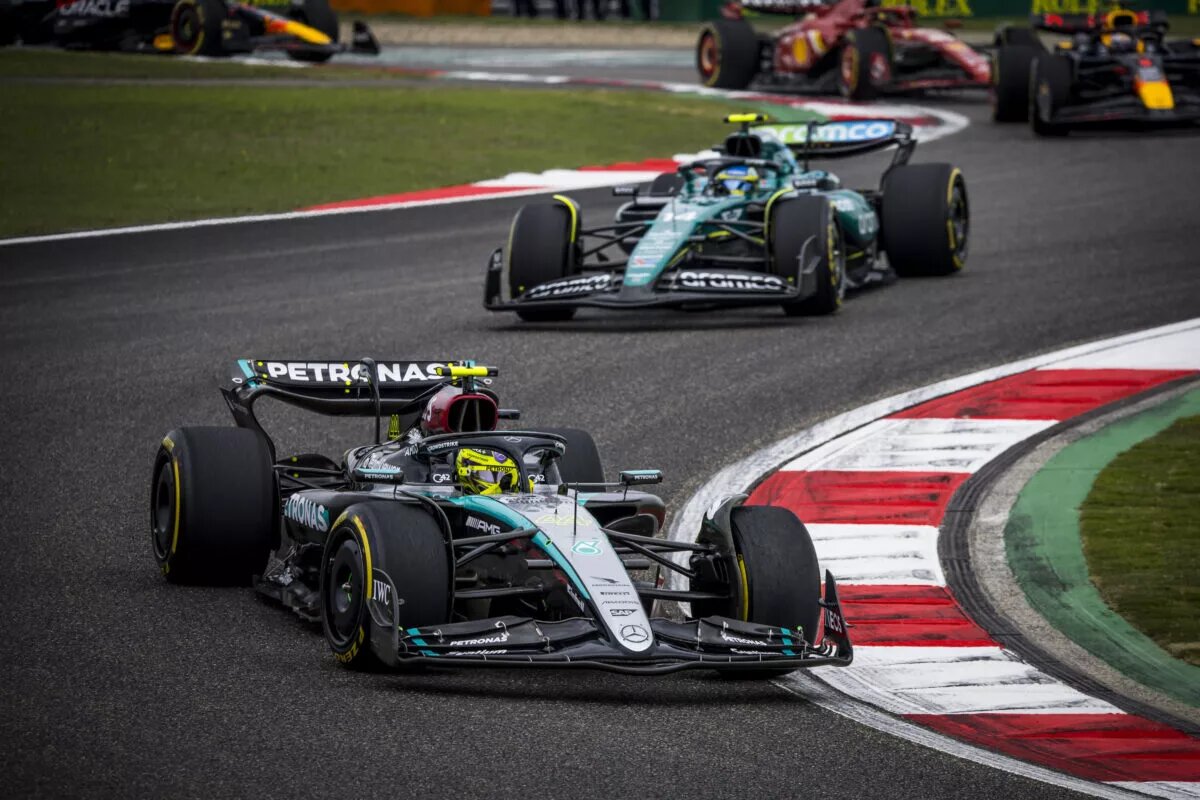
Similar conclusions can be reached for Mercedes, who were also relatively early in this department.
Both teams should have ways to mitigate the enforcement of the FIA’s new directive at the Spanish GP and beyond.
Of course, the front wing also has ramifications for how airflow interacts with the floor and rest of the car. This means that successfully navigating this change can prevent a lot of headaches.
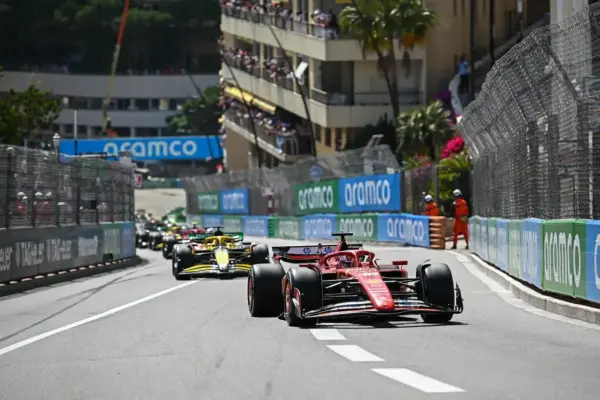
Meanwhile, Red Bull and Ferrari were in the relatively early stages of understanding how to exploit the flexi wing phenomenon.
READ MORE: Williams in far better shape heading into 2025
As a result, one interpretation is that these teams could be a few steps behind their rivals in having a contingency to counter this technical directive.
This could put them on the backfoot in Barcelona – though it remains to be seen if Maranello and Woking have innovative solutions.
The looming threat of porpoising returning as an accidental side-effect of this directive should not be overlooked either.
With a major regulation change incoming, teams must also be prudent with how their resources and time are spent.
All things considered, this saga adds a spanner in the works to the F1 2025 season.