

Still, the 28-year-old explained that a near consensus is necessary for this to happen. From his perspective, this is unlikely:
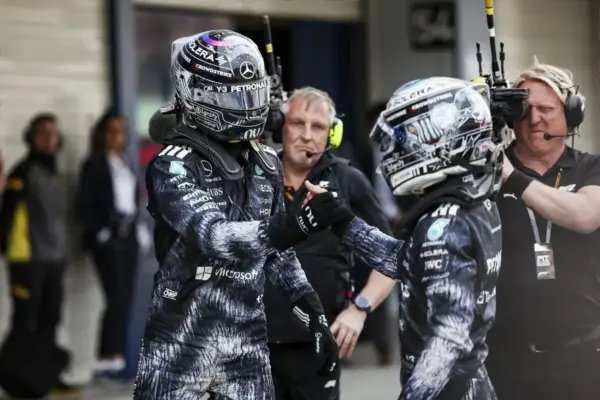
“They could do. I think they want to, but they need a super majority from the teams, which they don’t have.
“So, you can probably guess which team is against that. I don’t think their gain is coming from this issue. Now all the teams know the problem, we’ll just drive around it.
“But it’s just creating a bit of unnecessary complications to something that doesn’t really need to be there.
“Half the grid messed up in Melbourne. We’ll adjust. We know what we need to be wary of now,” Russell concluded.
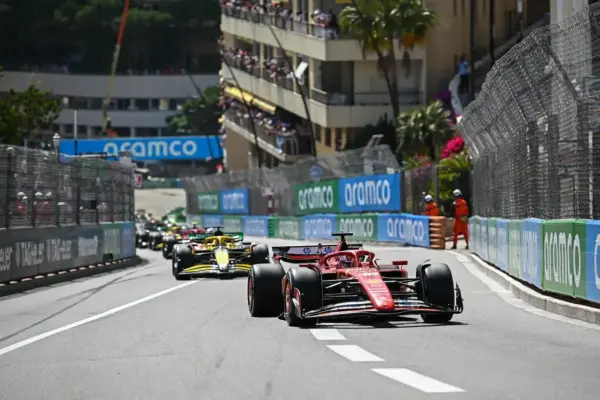
Ferrari set to maintain this edge
For the time being, Mercedes have enough performance to compensate for their slow starts. Even when Ferrari take the lead after lap one, the W17 has enough in reserve to overtake and create a gap.
Still, should Ferrari’s upgrades successfully close the gap, this advantage could become a game-changer.
As it is, the Italian manufacturer (and their customer teams) excel off the line. If either Hamilton or Leclerc qualify in the top 4, they have realistic prospects of taking the lad after lap 1.
Therefore, with an even more competitive SF-26, Ferrari’s quickness when the lights go out could give the Silver Arrows even more headaches to contend with.
This topic is likely to resurface, at least in passing, over the coming weeks and months. Other teams further down the field are also experiencing a drastic range of success during race starts.
Critically, the issue is not exclusively engine-related. Carlos Sainz in his Williams FW48 has executed two electric first laps to start the year, gaining several places in both Australia and China.
Therefore, Mercedes can reasonable expect to improve on this area as 2026 progresses. Nevertheless, through diligent and effective work, Ferrari can enjoy this advantage over their closest rivals to start 2026.