

To be clear, this fuel would still be within the regulations and in accordance with the sustainable fuels required for 2026.
However, if Mercedes’ fuel suppliers Petronas could lower their energy output, it could provide other teams a satisfactory stopgap – at least until the more concrete proposal to change compression ratio measurement is brought into effect.
When will changes be implemented?
For the sake of clarity, it must be stressed that talks are still ongoing. Although it seems inevitable some kind of change is required to appease the manufacturers, exactly how and when this will happen is still being determined.
Because of this, there could be important developments on this story even before next week’s tests.
There are likely to be more twists and turns, almost certainly controversial ones, before a final resolution is implemented. Even if and when a new change is applied, Mercedes are unlikely to go quietly into that good night.
Toto Wolff’s comments last week very clearly illustrated his perspective on this issue. The 54-year-old is no stranger to these political tugs of war, and is already at the centre of a potentially decisive one to start these 2026 regulations.
Unfortunately for the Mercedes team principal, Red Bull’s decision to join the other engine suppliers could be fatal. With four manufacturers pushing in one direction, the Silver Arrows are impossible outnumbered.
Still, Mercedes can rest assured there won’t be any nightmare scenarios. Any changes that are introduced will only mitigate their advantage – as opposed to completely eliminating the strengths of their engine.
In this sense, the Brackley-based operation are still aiming for the front in 2026. The challenge is now to ensure they optimise their chances of success both on and off-track – which is certainly not an unfamiliar task for the German outfit.
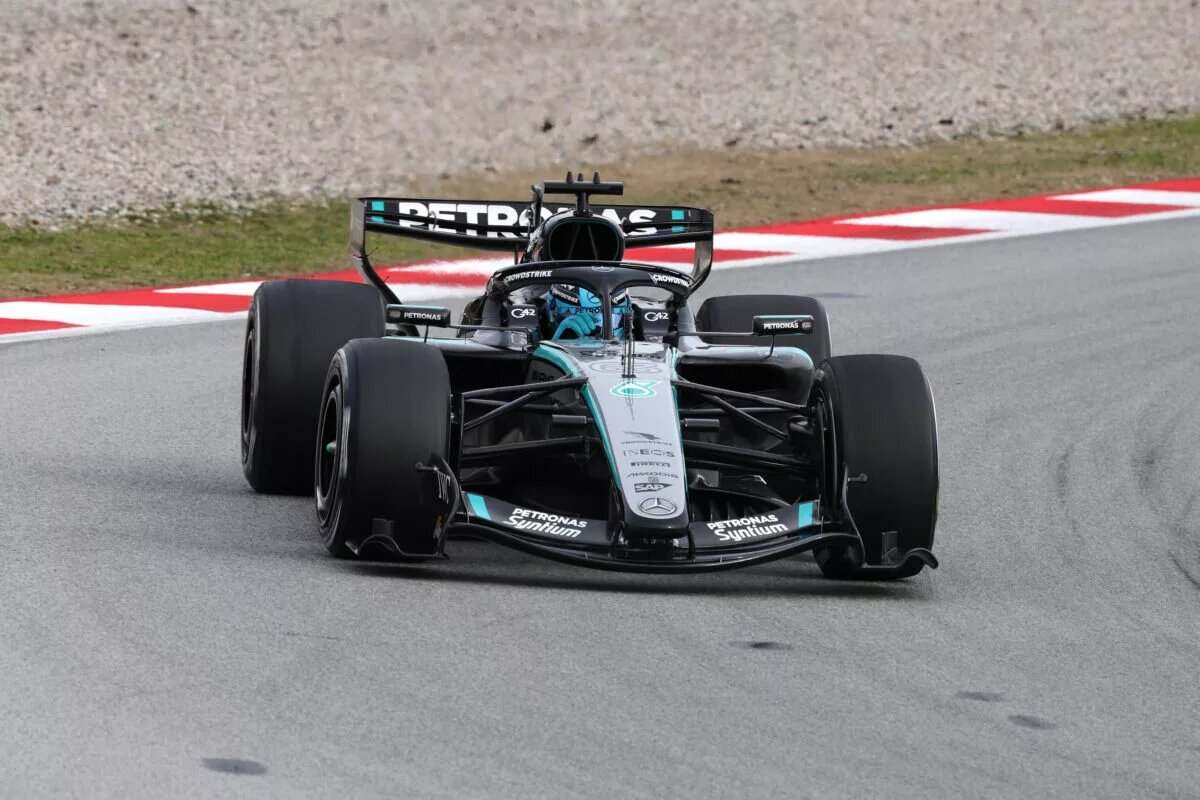
Main photo: Steve Etherington (Mercedes F1 Media Archive)