

Manufacturers hold their breath
There is no concrete figure on how much performance Mercedes would gain from this idea. Even the teams themselves cannot be certain on what increasing compression ratio would mean in terms of lap-time.
Nevertheless, judging by the reactions of other manufacturers, this is far from insignificant.
Engine development for the 2026 regulations encapsulates several different areas. From the ICE (Internal Combustion Engine) to electrical management to optimisation sustainable fuels, there are various factors at play.
This makes putting everything together an extremely demanding task. Therefore, there is real concern that if Mercedes have a substantial advantage, catching up will be a very intimidating task.
Honda, who in theory have the personnel and infrastructure to challenge Mercedes, were relatively downbeat in their official 2026 launch.
The Japanese manufacturer spoke positively about their progress in the electric side of their power unit. At the same time, they admitted to significant challenges with on the Internal Combustion Engine.
If a title-winning engine supplier is openly admitting to some issues, it can hardly be a surprise that new manufacturers – particularly Audi – are so vocal about seeking action from the FIA.
Ultimately, the next 48 hours should reveal the plan of action regarding this extensively discussed compression ratio innovation. Depending on the FIA’s decision, 2026 could be shaped in vastly divergent ways.
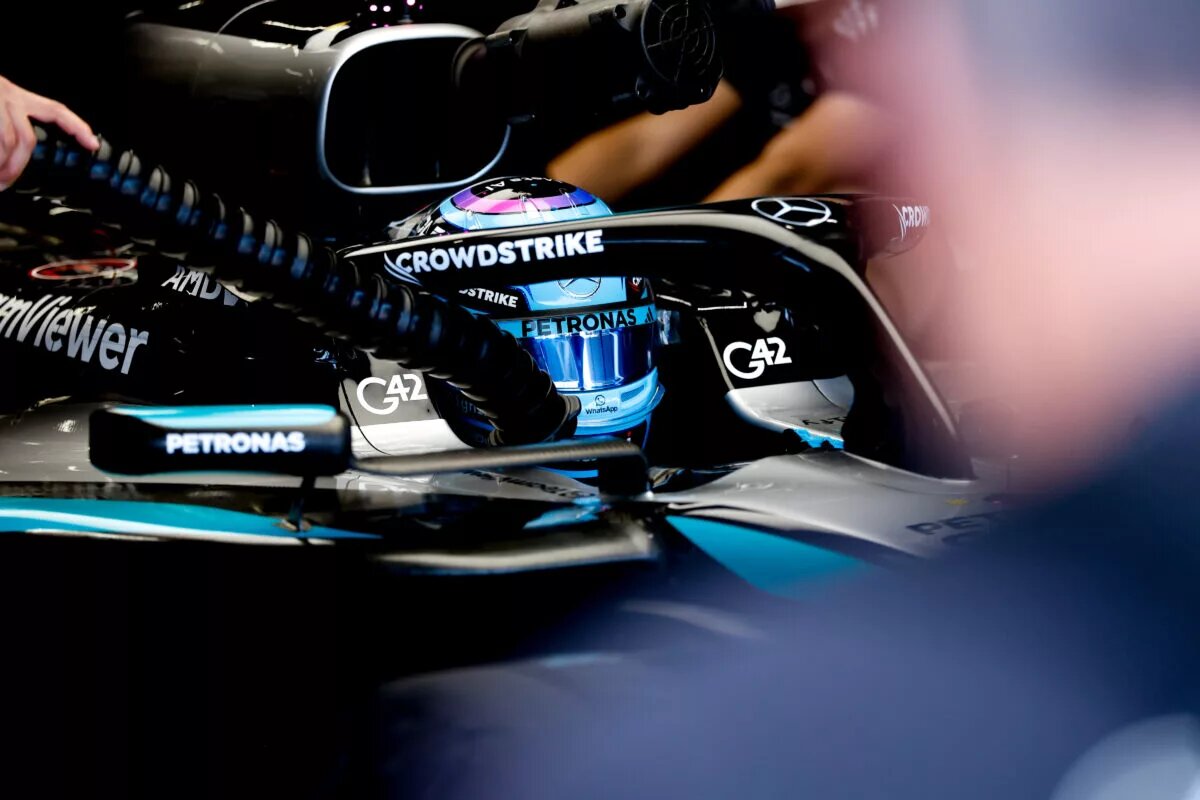
Main photo: Jiri Krenek (Mercedes F1 Media Archive)