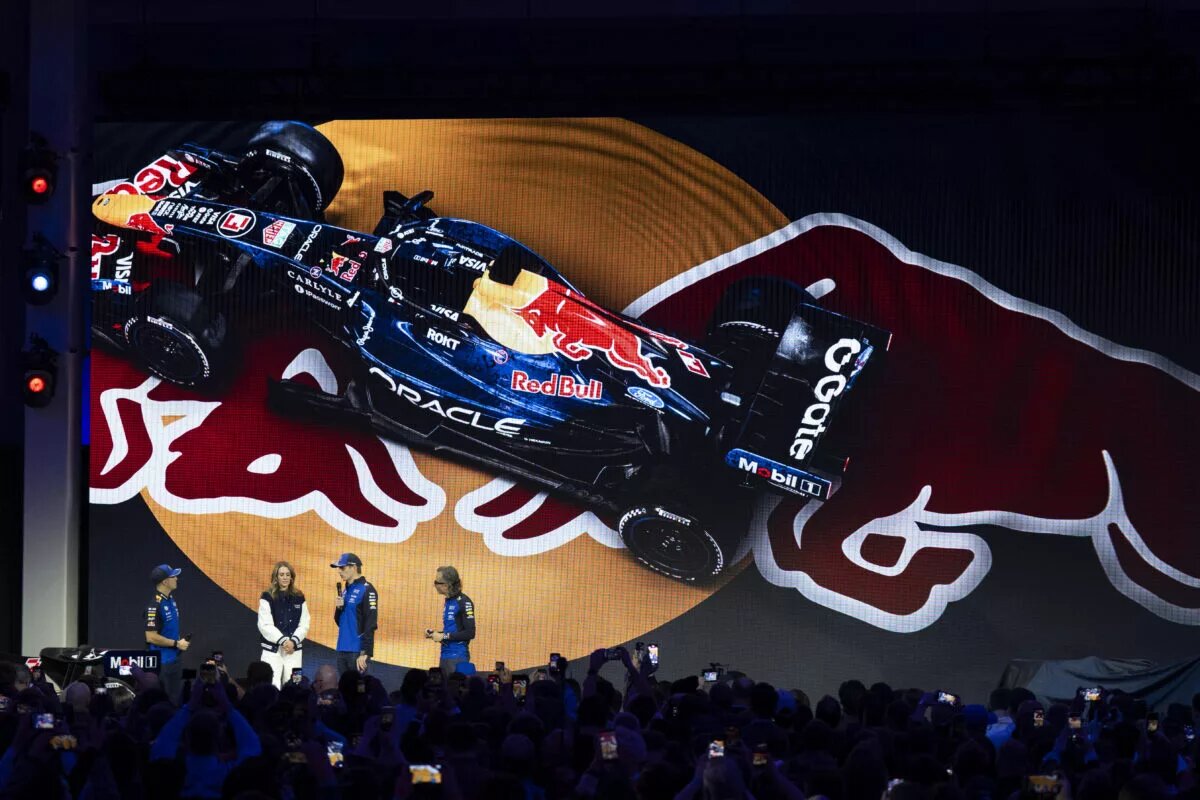

Red Bull one of many teams in transition
Part of what makes Mercedes the undisputed favourites for 2026 (on the engine side) is their track record and continuity.
Aston Martin, for example, will run Honda power units for the first time this year. Effectively integrating the Japanese manufacturer’s expertise with the technical brilliance of Adrian Newey and Enrico Cardile will be tricky.
The decision to move Andy Cowell from position of team principal to Chief Strategy Officer (working more closely with Honda’s engine development) is evidence of this challenge.
Audi, much like Red Bull, are also a new manufacturer for 2026. Critically, the team under Jonathan Wheatley and Mattia Binotto’s leadership has taken a very different recruitment approach to Red Bull.
The factory in Neuburg consists primarily of engineers signed from Audi’s other Motorsport divisions, with the German constructor working to pool together its own talent to form a potent engine department in Formula 1.
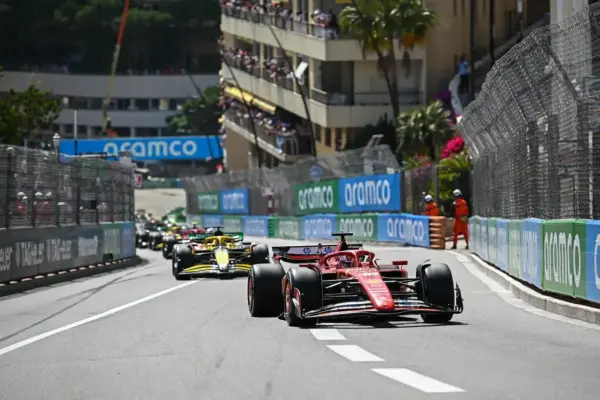
Ferrari are one of the established names, meaning they enter 2026 with more continuity than Red Bull. However, changes to the Maranello team’s technical department (after Enrico Cardile’s department to Aston Martin) still precent challenges for Ferrari to overcome.
In this context, Red Bull can take some hope from being one of many teams tackling a steep learning curve.
Moreover, their objective – at least initially – is not necessarily to have the fastest engine. Instead, they hope to put together a power unit that is competitive and reliable enough to be within striking range of the front.
Form here, Laurent Mekies and his personnel believe they can bridge any deficit (within reason) with their aerodynamic concept.
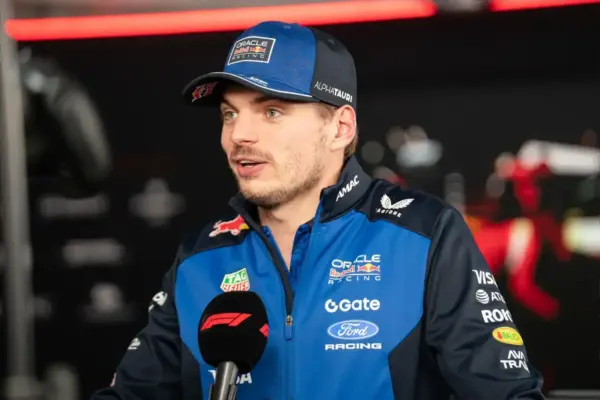
Main photo: Sal Rodriguez (Red Bull Content Pool)