
The battle for 6th in the standings is set to go down to the wire, as VCARB, Aston Martin, Haas and Sauber battle for tens of millions in prize money.
Of course, their finishing position in the Championship also impacts wind tunnel use from January to June in 2026. Teams further down the order will receive more hours, as part of F1’s efforts to balance the playing field.
Regardless of how this year’s midfield scrap concludes, all of these outfits are enjoying significantly more wind tunnel hours than the front-runners.
For teams with big investment, such as Aston Martin, this provides an added incentive to hit the ground running with next year’s regulations.
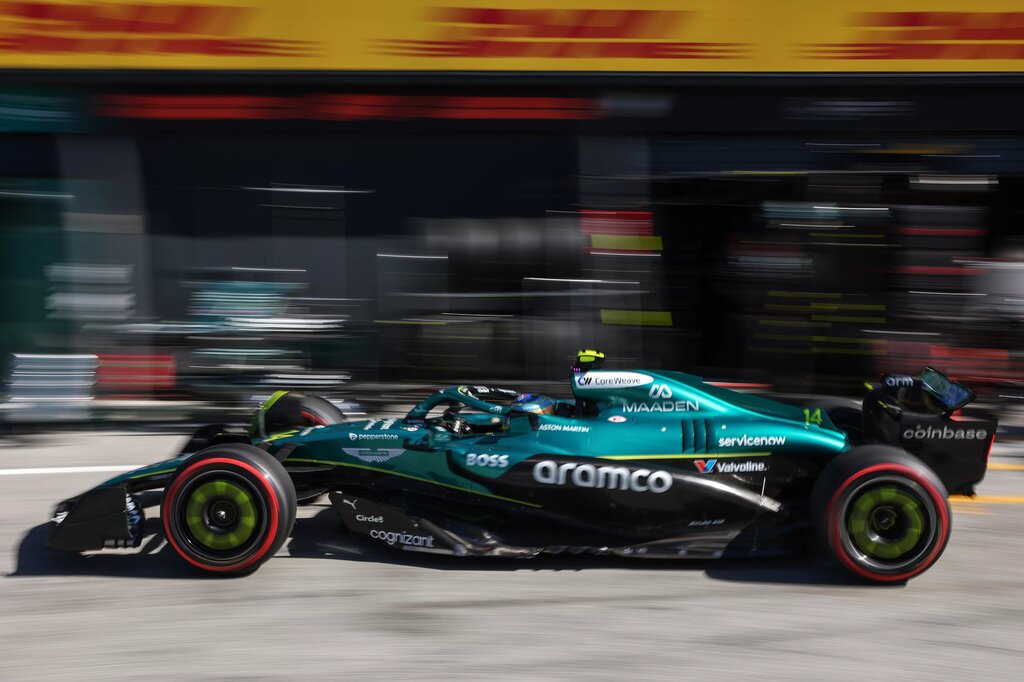
Aston Martin deciding where to “gamble” with 2026 car
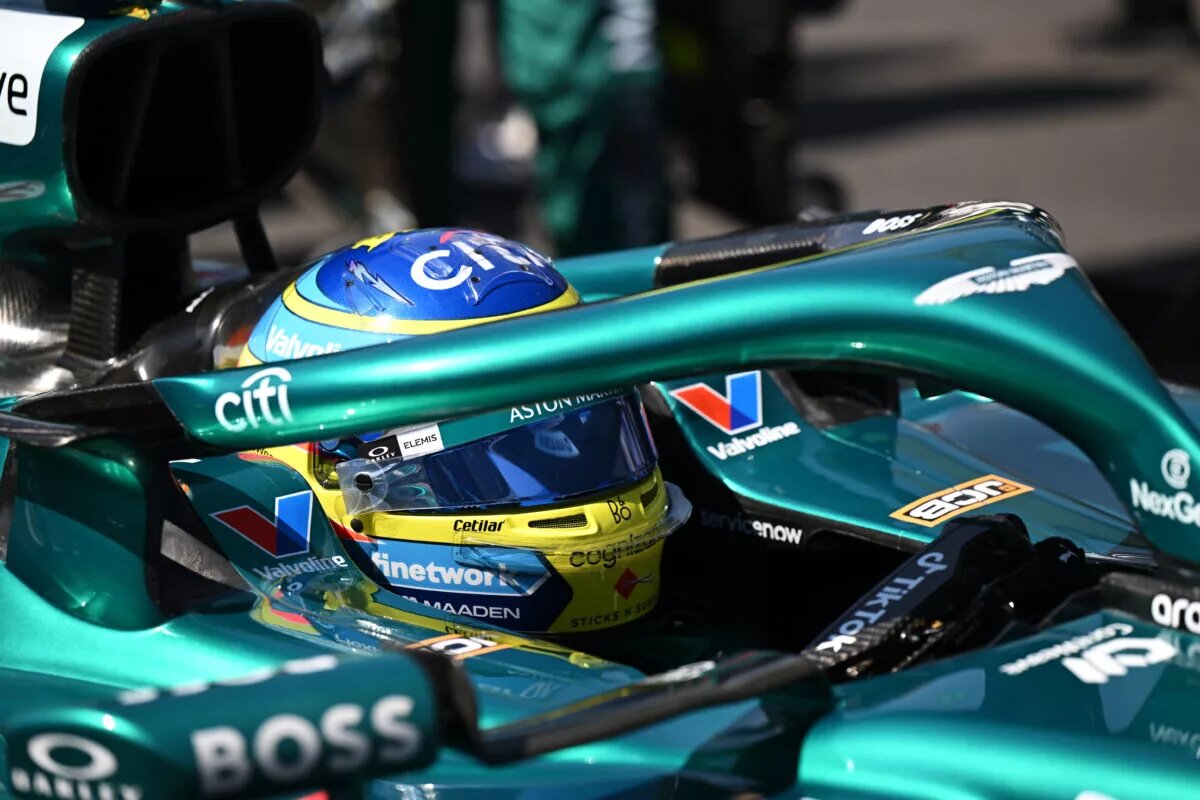
Since their fantastic start to the 2023 campaign, Aston Martin have found themselves in a slow ascent down the field. The team’s decline ultimately resulted in the dismissal of Dan Fallows from the role of Technical Director – and catalysed a series of new senior appointments.
Adrian Newey, Andy Cowell and Enrico Cardile are among the big-name signings to join the Silverstone-based squad.
All three man, having worked at Red Bull, Mercedes and Ferrari respectively, have very decorated careers. Their responsibility, therefore, is to bring Aston Martin to the very front of the field.
To accomplish this objective, Aston’s resources have been focused on the 2026 car for some time. In fact, since walking through the factory doors in March, Newey has solely focused on next year’s package.
Similarly, Enrico Cardile, who works closely with Newey as Chief Technical Officer, has exclusively been working on the 2026 project.
When discussing the new regulations, Cardile touched upon Aston Martin’s approach to taking risks:
“We have clear targets in mind for what we want to achieve, and we’re pushing very hard to explore our options. It’s an interesting task. Some of it is about understanding where to gamble.
“There are development directions that might not yield positive results straight away, but may help us reach ambitious final targets. We’re making some bets.
“It’s worth noting that this isn’t a project that finishes when the car launches next year. Of course, we want to have a quick car at the start of 2026… but on the other hand, we have a long-term project.
“We’re working on the organisation, improving our tools, improving our processes, changing the way people are working together.”
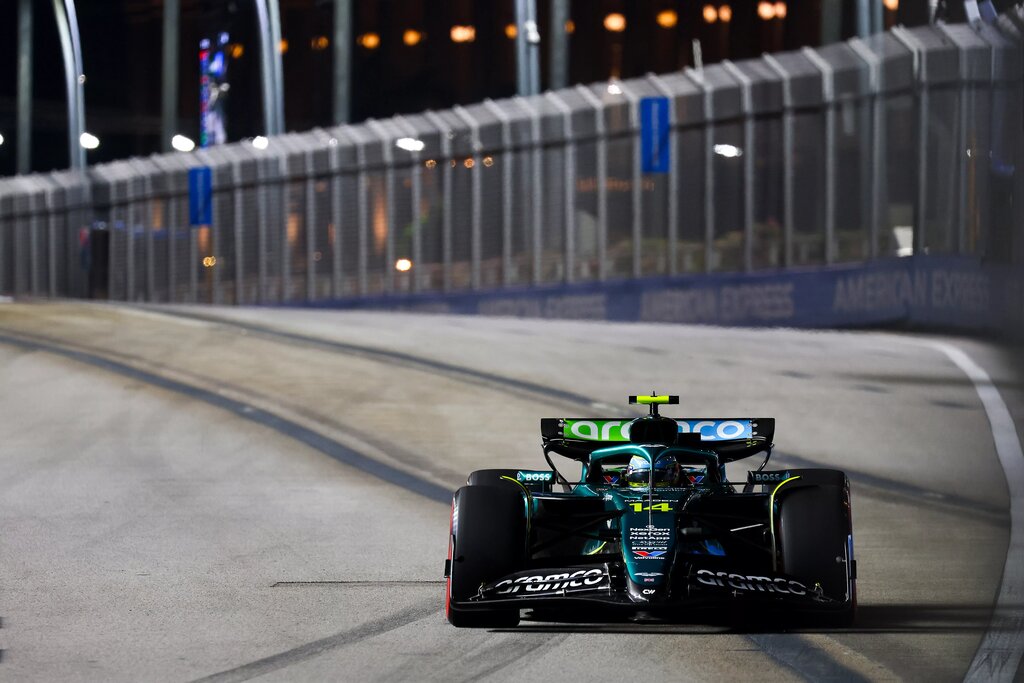
A chance for Aston to upset the established teams
For obvious reasons, 2026 is essentially a leap into the unknown for every team. There is no guaranteeing if the aerodynamic concepts that engineers are developing will work as intended – or if they will be better than what rivals have come up with.
This is without mentioning the new engines and fuels that will be in use next year. Aston Martin, having plummeted down the order since 2023, know better than most about the importance of starting next year on the front-foot.
In this sense, the British outfit are not afraid to pursue an aerodynamic philosophy that others might consider too risky.
Aston have the benefit of a new simulator and wind tunnel, both of which should provide more accuracy and autonomy in their development strategy. As Honda’s exclusive F1 client, they are in control of every aspect of their 2026 challenger.
Inevitably, the Adrian Newey factor will also come into play – as the legendary engineer is tasked with again producing a car capable of redefining a new regulatory cycle.
Main photo: Sam Bagnall/Sutton Images (Aston Martin media gallery)