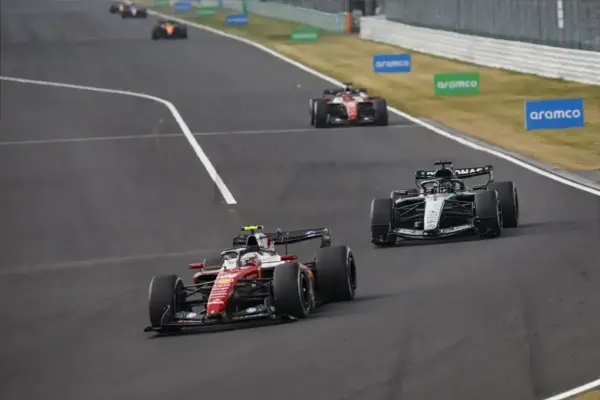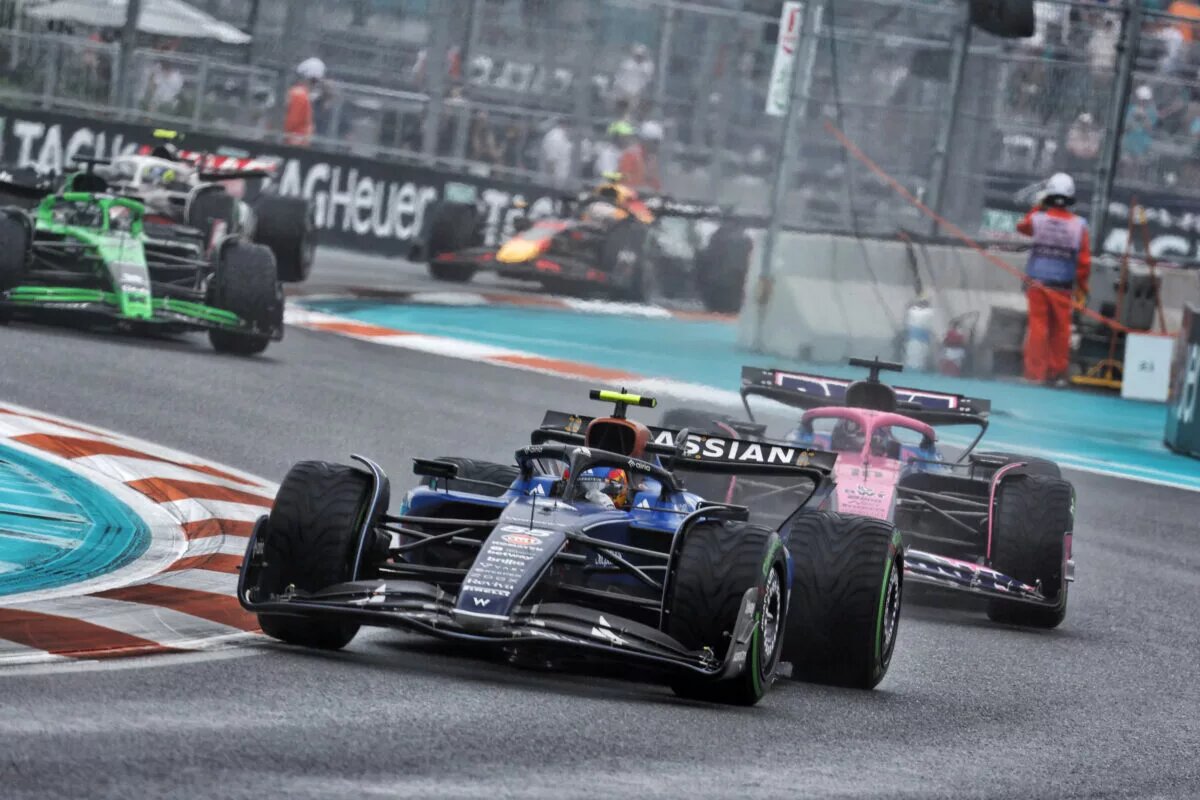

The Mexican GP was one of many races in 2025 where a one-stop was the recommended strategy. In what is becoming a growing trend, most races only demand drivers to make one change of tyres.
When Pirelli first became F1’s tyre manufacturers, the opposite was true. Most races would see teams committing to at least two-stops, with even the three-stop strategy being viable on a relatively frequent basis.
Of course, this is no longer the prevailing trend in Formula 1. Even the soft tyres can often complete half the race distance, taking away the strategic element that can make races exciting.
In an effort to correct this, the next F1 commission is set to discuss the introduction of mandatory stops for 2026.
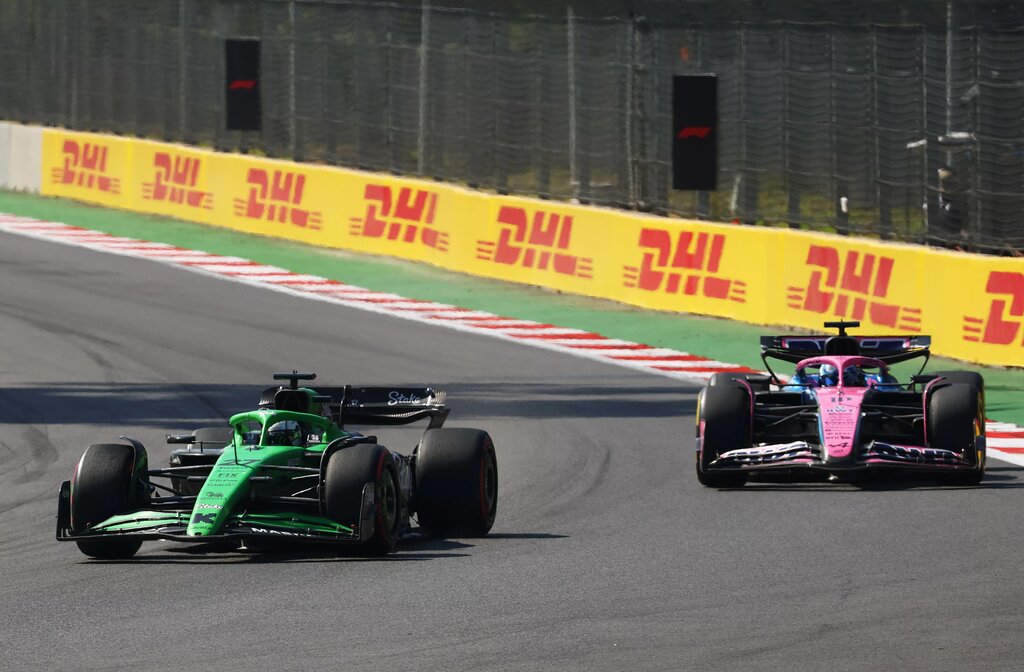
Why mandatory 2-stop races are under consideration
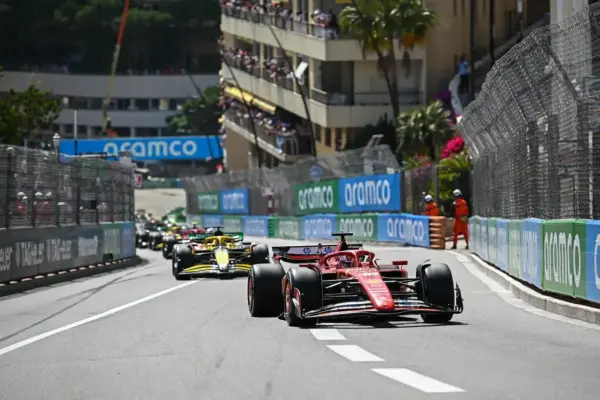
This year’s Monaco GP was the first time mandatory stops have been introduced in F1 – excluding the last-minute safety measure introduced for the 2023 Qatar GP.
Ultimately, this decision to mandate pit-stops did little to make the action in Monte Carlo. Ironically, previous editions of the Monaco GP (2022, 2019, 2018, 2016) produced far more exciting races organically.
In any case, this was an early indication of F1’s willingness to make changes – whether effective or not – to make races more exciting.
A similar logic will catalyse discussions between the team principals later this year about introducing two-stop races in 2026. The logic is simple – forcing teams into the pits could minimise the number of processional one-stops.
As reported by it.motorsport, mandatory stops will be discussed at the F1 Commission before the end of the year.
Of course, there are already criticisms that suggest mandatory stops would be counter-productive. Forcing teams to make multiple pit-stops, unless tyres degrade sufficiently, will just see teams follow the same strategy anyway.
The 2023 Qatar GP, which has required pit-stop times due to the risk of punctures, mandated at least two stops. However, as outlined above, this did little to create strategic ambiguity.
Instead, it saw virtually the entire field entering the pits within a three-lap window. This actually creates an even more predictable and, critically, artificial product than low-degradation one-stop races.
At the root of this issue is Pirelli’s aversion to making tyres that require multiple stops. Ironically, the Italian manufacturer has turned away from the high-degradation tyres they first brought to the sport – which were very positively received.
Developing tyres that degrade quickly, even if that comes with a puncture risk, should be the priority for 2026 and beyond.

Other point of discussion for F1 2026
In addition to pit-stop requirements, other topics are under discussion for potential implementation. F1 CEO Stefano Domenicali has spoken frequently about potentially increasing the number of Sprint Races.
Although next year’s Sprint Races (6 in total) have been confirmed, this topic will undoubtedly be revisited in the future. More radical ideas, such as revere grids for sprints, are likely to resurface over the next eighteen months.
As ever, teams and drivers have the ability to prevent such modifications to race weekends from being implemented.
Regarding mandatory stops, it remains unclear how drivers and teams across the field feel on the issue.
Generally speaking, though, it is likely that a more productive solution – pushing for Pirelli to make high-degradation tyre compounds – will take precedent over artificially forcing teams to make multiple stops.
Main photo: Williams media gallery