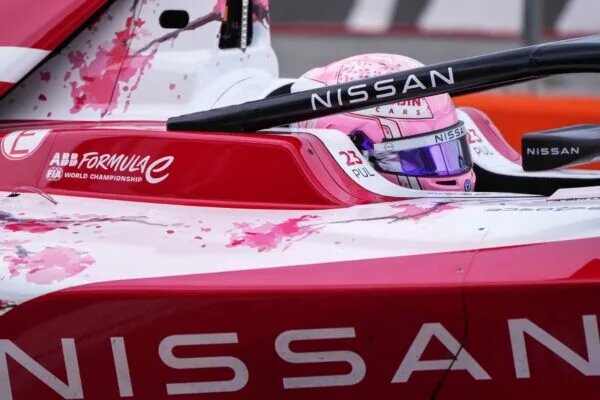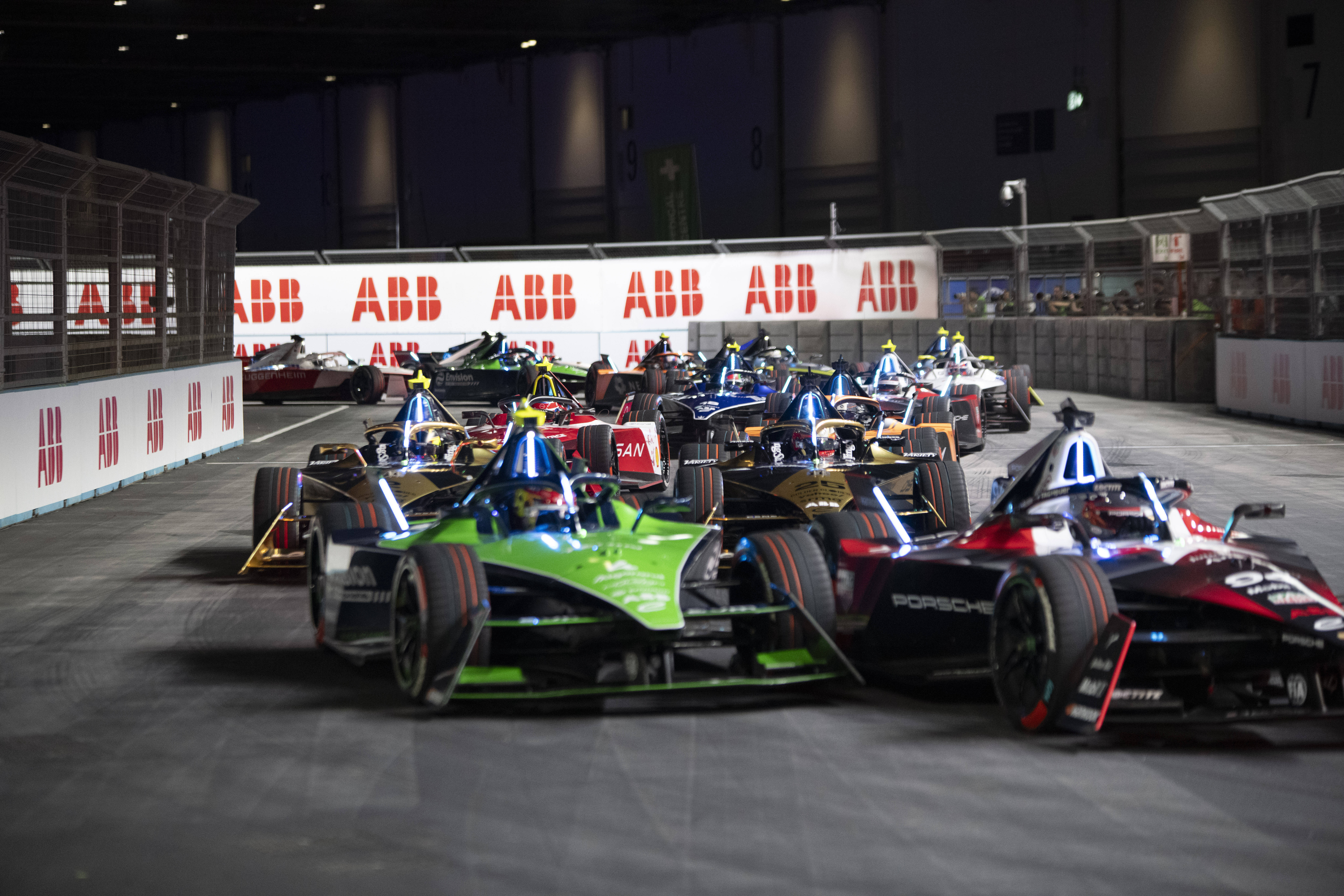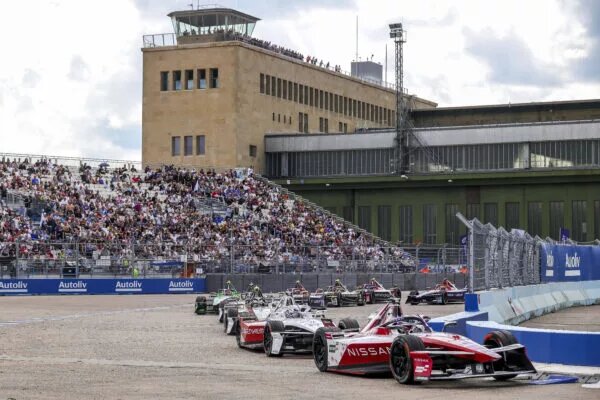



Formula E is entering a phase in shaping the lineup of manufacturers for its Gen4 era. With five manufacturers already confirmed – Nissan, Jaguar, Porsche, Lola, and Maserati – the electric racing series aims to strike a balance between factory teams and customer entries.
Hyundai’s Interest in Formula E and Strategic Planning
Hyundai’s ambitions to join Formula E remain intact as it seeks to expand its global motorsport presence. Following their announcement to compete in the World Endurance Championship (WEC) under their luxury Genesis brand, the South Korean automaker is considering Formula E as a complementary platform to promote its electrification goals.
While Hyundai’s entry for the start of the Gen4 era in 2026 appears unlikely, they may look towards 2029 as a more feasible target. Talks with McLaren have reportedly progressed, suggesting a potential partnership where McLaren could act as Hyundai’s works team.
McLaren currently competes with Nissan powertrains but may pivot to Hyundai if the Korean brand commits to the series. This partnership could align with McLaren’s need for a long-term manufacturing ally while boosting Hyundai’s electrification strategies globally.
Uncertainty Around DS and Mahindra
The participation of DS and Mahindra, both integral to Formula E’s history, remains uncertain as they deliberate their future plans.
Since joining the series in Season 2, DS have established themselves as a powerhouse, securing four championship titles (two drivers’ and two teams’), including back-to-back wins during the Gen2 era with Jean-Eric Vergne and Antonio Felix Da Costa.
Across 121 races, the French premium automaker have amassed 16 wins, 51 podiums, and 24 pole positions.
Despite this impressive track record, questions linger about DS’s future in Formula E beyond their current partnership with PENSKE AUTOSPORT.
While DS remain committed to electrification and technological advancements through projects like the DS E-TENSE FE25 and an expanded EV lineup, the team’s continued presence in Formula E has yet to be confirmed for the Gen4 era.
This decision is critical not only for DS but also for PENSKE AUTOSPORT, who have relied on DS powertrains and expertise to remain competitive in the championship. With Stellantis already committed to the Gen4 era through Maserati, it’s uncertain whether the group will retain DS as a standalone manufacturer or focus solely on Maserati.
The upcoming Mexico E-Prix and subsequent January 15 registration deadline will likely determine DS’s future direction.
Mahindra’s Legacy in Formula E
Similarly, Mahindra – a Formula E stalwart since the inaugural season in 2014 – have yet to confirm their intentions. They have competed in the ABB FIA Formula E World Championship since Season 1, representing the Indian car giant on a global sporting scale in single-seater motor racing.
Formula E is Mahindra’s first venture into international single-seater racing, demonstrating their commitment to electric mobility. They have contributed significantly to the championship, from their breakthrough win in the 2016/17 campaign to multiple podium finishes and victories across the team’s journey.
Over the years, Mahindra have been a consistent presence, showcasing innovation and adaptability through their ‘Race to Road’ program. The departure of Mahindra from the grid would not only mark the loss of a pioneering manufacturer but also impact the diversity and global representation that the series prides itself on.
The Optimal Number of Manufacturers
Jeff Dodds, Formula E’s CEO, envisions the ideal number of manufacturers between five and six. With fewer manufacturers, customer teams could play a more prominent role, creating a more economically sustainable model for the championship.
Each manufacturer would ideally support one works team and one customer team, optimizing resource allocation and competition.
Dodds highlighted that having fewer than six manufacturers with streamlined operations, such as powertrain supply to multiple teams, strengthens the championship’s foundation:
“The economic model works better if you’re a factory team, but with four cars per manufacturer—two factory and two customer cars—the structure functions more efficiently.” – Jeff Dodds.