The tennis calendar is once again under scrutiny, with several top stars voicing concerns over its demands. World #2 Iga Swiatek recently criticized the packed schedule, which many believe is contributing to a growing list of injuries. Carlos Alcaraz backed her comments, agreeing that players are facing an excessive workload, as both top stars from each tour brought the issue into focus after Novak Djokovic had already called out the schedule earlier this year.
However, not everyone agrees, with China’s Zheng Qinwen defending the system as part of the sport.
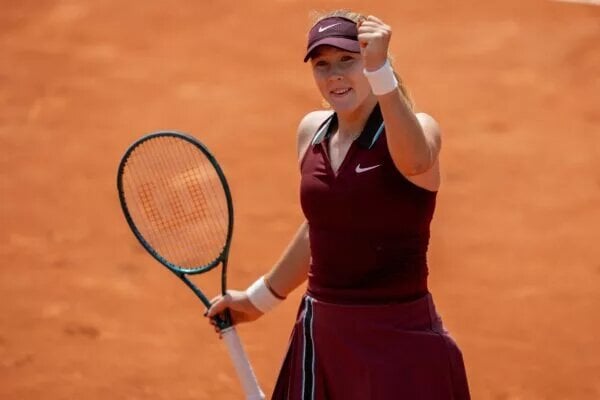
Swiatek slams “crazy” WTA rules
Six-time Grand Slam champion Iga Swiatek has become one of the leading voices against the current WTA structure, which obliges top players to compete in four Grand Slams, 10 WTA 1000 events, and at least six WTA 500 tournaments.
Speaking in Beijing after advancing when her opponent, Camila Osorio, retired injured, Swiatek said the demands were unsustainable.
“Maybe I will have to choose some tournaments and skip them, even though they are mandatory. Yeah, like WTA with all these mandatory rules, they made this pretty crazy for us,” she said.
Swiatek admitted that the final stretch of the season feels especially punishing. “The Asian Swing is the hardest part because you feel like the season is going to finish soon, but you still need to push,” she said. These comments came before she seemingly ran out of steam in her own match against Emma Navarro, further highlighting her concerns.
Alcaraz withdraws from the Shanghai Masters
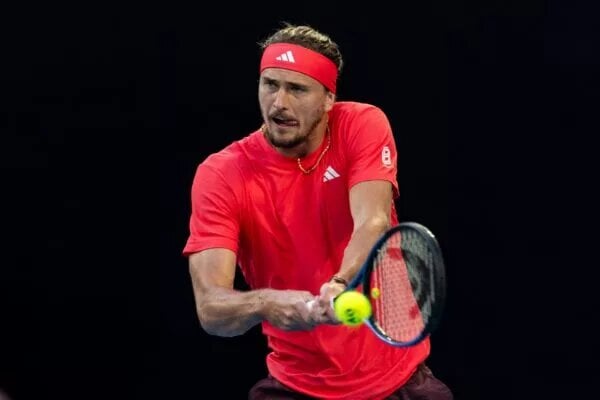
Backing Swiatek’s stance, Carlos Alcaraz withdrew from the Shanghai Masters despite winning the Japan Open. The world #1 cited physical issues, including an ankle problem, and said the calendar leaves players little room for recovery.
“I think that the schedule is really tight. They have to do something with the schedule. There are too many mandatory tournaments, too many in a row,” Alcaraz told reporters.
“To be honest, I have to consider in the future if I have to skip some mandatory tournaments just to maintain my physical condition and good shape.”
The Spaniard also emphasized the toll on mental health, saying the lack of breaks makes it hard for players to reset.
Djokovic: “Change won’t happen”
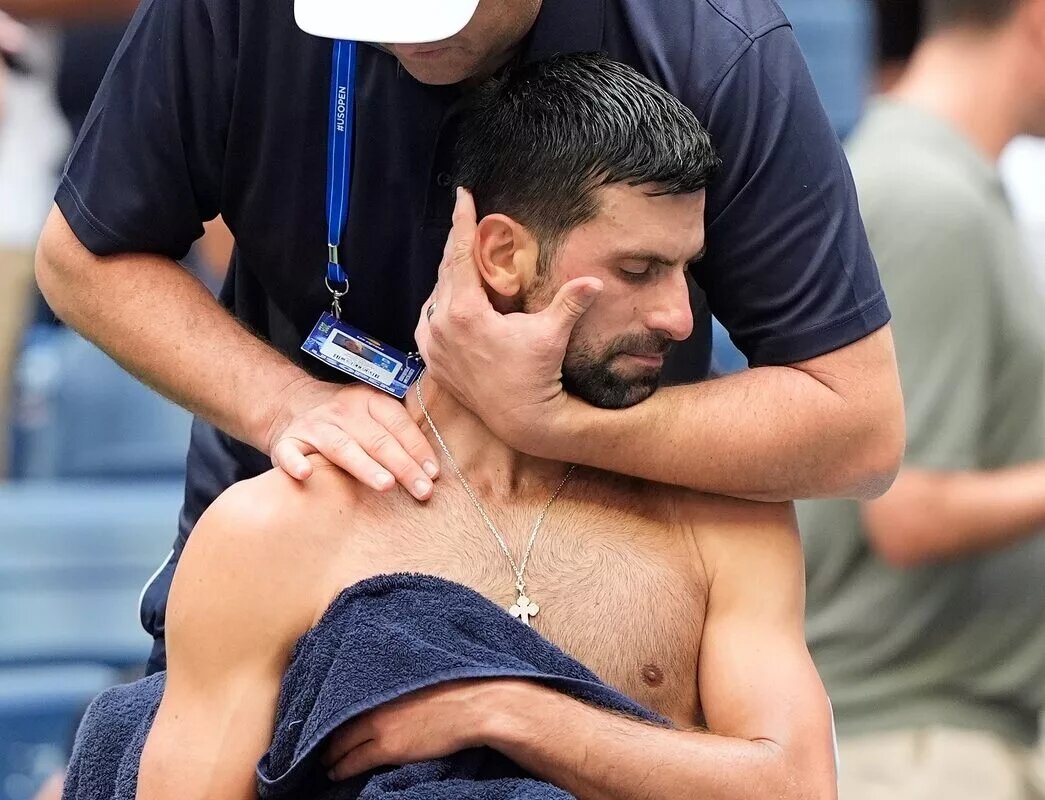
The calendar debate is not new. Novak Djokovic, a 40-time Masters champion, has long opposed the expansion of Masters 1000 tournaments into two-week events. Speaking in New York ahead of the US Open, the Serbian admitted he prioritizes Grand Slams and will skip Masters tournaments to manage his body.
“I have noticed that a lot of top players have been quite opposed to the new change of the almost two-week events. But at the end of the day, when the players needed to be active and when there was a time of negotiations and decision-making, players weren’t participating enough,” he said.
Djokovic added that contracts for Masters events are locked in for decades, making any reversal unlikely.
Zheng Qinwen defends the calendar
Not everyone agrees with the criticism. Zheng Qinwen, who was forced to retire injured in Beijing after returning from elbow surgery, pushed back against Swiatek’s comments.
“I don’t think for professional players the calendar is too much because the strongest players survive, and that’s the rule in my head,” the Chinese star said.
“As a professional player, this is what it is, because we have to play that many tournaments in the calendar.”
Her remarks highlight the split within the sport: while some argue the system is unsustainable, others see it as a test of resilience.
With players dropping out of tournaments due to injuries, pressure is mounting on tennis authorities to rethink the nearly 11-month season. Swiatek and Alcaraz’s comments, echoing Djokovic’s long-standing concerns, suggest growing frustration at the top of the game.
Still, with contracts firmly in place and some players like Zheng defending the demands, the road to reform looks far from straightforward.
Main photo credit: Robert Deutsch-Imagn Images