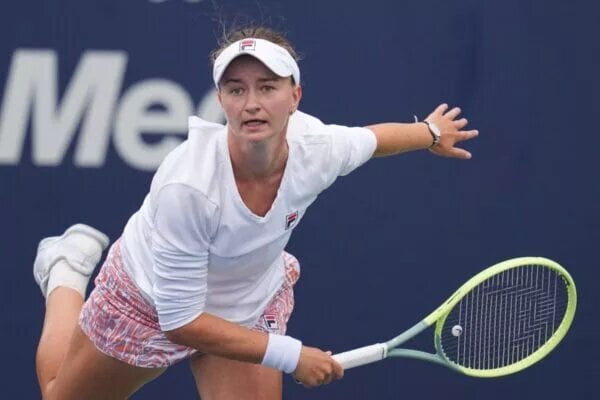

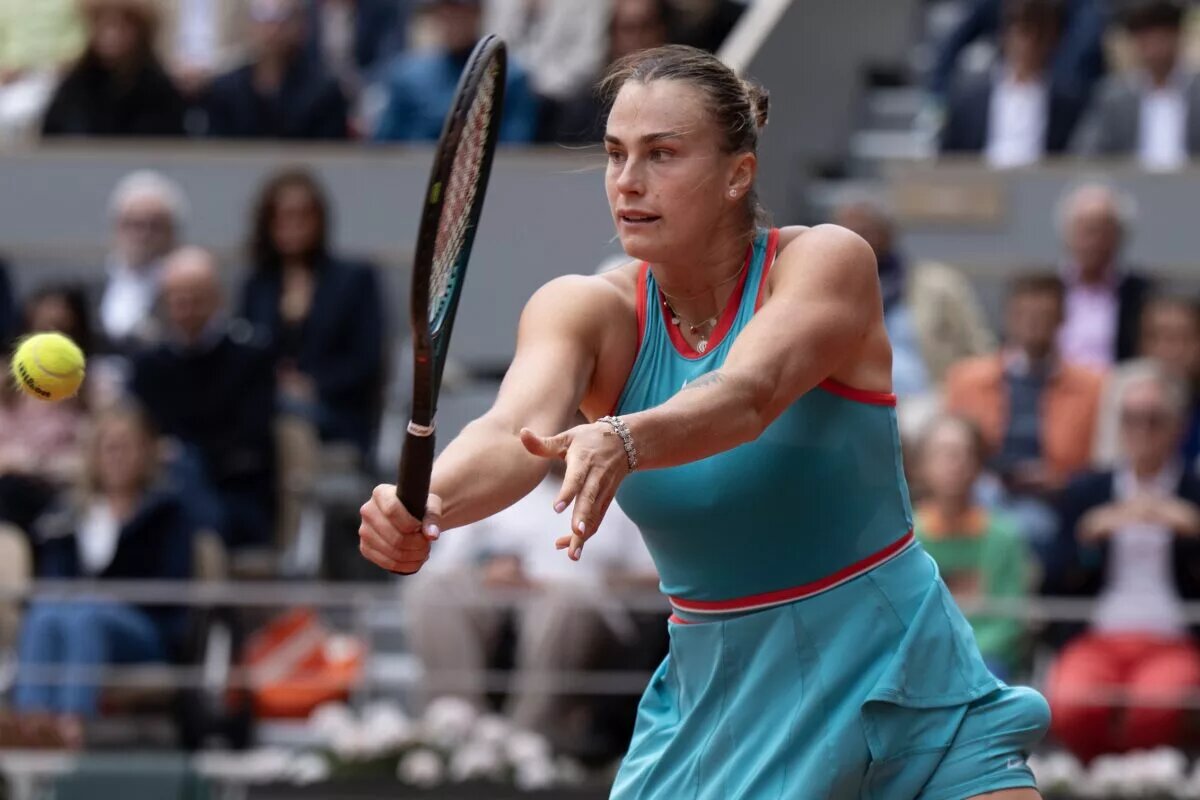

8. Dayana Yastremska (11)
Another player with the same dynamic as Kalinskaya is Yastremska. She’s very up and down, and that volatility somehow always works itself into tiebreaks where she has to grind out wins.
It’s not the cleanest way to win matches, but it gets the job done. Eleven tiebreak sets means eleven sets that could have gone either way but didn’t.
9. Hailey Baptiste (10)
Baptiste is another player who plays a very specific way. She has a strong serve and tends to keep points quite short, but she struggles to break often. Quite a few of her matches go down to the wire, with her having to salvage wins through tiebreaks.
Ten of them this year shows that the formula works often enough, even if it makes for some stressful moments along the way.
10. Naomi Osaka (10)
Naomi Osaka also makes this list because she tends to suffer from inconsistency, despite the improvement this year. That inconsistency often has to be countered through closely fought tiebreaks.
When you’re capable of elite tennis but can’t always access it, sets stay competitive. Ten tiebreaks is just what happens when you’re fighting your way back to the top rather than dominating from there.
Comparison to ATP
When compared to the ATP, we see that women’s tennis generally features much fewer tiebreaks, which isn’t a massive surprise. The ATP tends to feature closer matches because the margins of victory are somewhat smaller.
Service holds are more reliable on the men’s side, which naturally yields more sets that stay on serve and get decided through tiebreaks. In the WTA, breaks happen more frequently, which means sets get decided before reaching 6-6 more often. The result? Fewer tiebreaks overall, but when they do happen, they reveal something interesting about who’s struggling to finish sets cleanly.
Main Photo Credit: Susan Mullane-Imagn Images