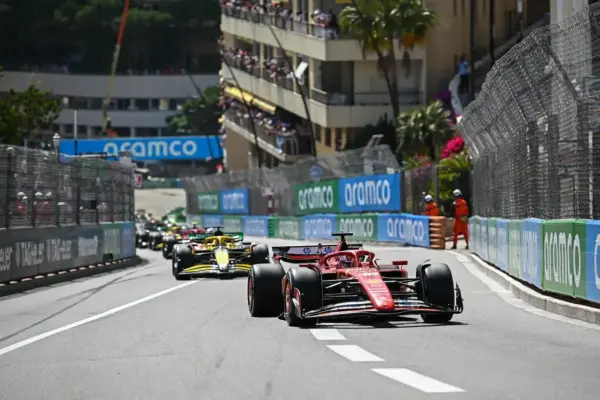


Formula 1’s single-seaters are the beating heart of motorsport, representing the pinnacle of engineering and technological innovation.
From Design to Innovation: The First Life Stages of a Single Seater
Formula 1 cars are created through a complex process involving design, simulation, construction and testing. With the aim of maximising performance without ever compromising safety.
Behind the aerodynamic lines and powerful engines lies meticulous work combining creativity, precise calculations and state-of-the-art technology.
Most importantly, creating a single-seater begins with an idea. The team then moulds the concept to balance speed, aerodynamic efficiency, and reliability.
From there, engineers and designers collaborate to define the design guidelines, often drawing inspiration from previous seasons’ successes and leveraging the latest technological innovations.
Using drafts, 3D models, and simulations, they outline the car’s fundamental characteristics, from the shape of the chassis to the layout of the internal components.
Aerodynamics: An Important Factor
As you may already know, aerodynamics is one of the most crucial aspects in the design of a single-seater. Every design element, from the front wings to the rear diffuser, is designed to optimise airflow. Ensuring a balance between downforce and drag reduction.
Thanks to Computational Fluid Dynamics (CFD) software and wind tunnel sessions, Formula 1 engineers can work on the single-seater. In particular, they can virtually test different configurations, identifying the most promising ones.
This allows them to improve the car’s performance in corners, straight-line stability and handling of turbulence. These are mainly fundamental concepts to gain those milliseconds that make the difference.
READ MORE: Toto Wolff: Mercedes Won’t Sacrifice 2025 Car for 2026 Regulations
Regulations: the Rules Game in Formula One
First, each single-seater is born within a rigid regulatory framework established by the FIA.
These rules ensure safety, equity, and sustainability in motorsport. They limit parameters such as chassis dimensions, minimum weight, permitted materials, and the use of aerodynamic technologies.
For designers, complying with these regulations is a constant challenge. They have to push innovation to the limit without breaking the rules, and finding creative engineering solutions to gain competitive advantages without infringements.
Simulation: The Virtual at the Service of Speed
In the development process of a single-seater, the simulator plays an important role.
Through advanced software and digital settings, engineers and drivers can evaluate the car’s performance in simulated scenarios.
In this way, they can explore different configurations of trim, aerodynamics and vehicle dynamics.
The advantages of simulation are numerous. It reduces costs, shortens development times and allows them to experiment with solutions that would be too risky or expensive to test directly on the track.
The simulator allows drivers to familiarise themselves with the car and the circuits, honing the feeling before tackling the real track.
YOU MAY ALSO LIKE: When the F1 Grid Fought Back: The Story of 2003
The Construction: from Design to Reality of a Single-Seater of Formula 1
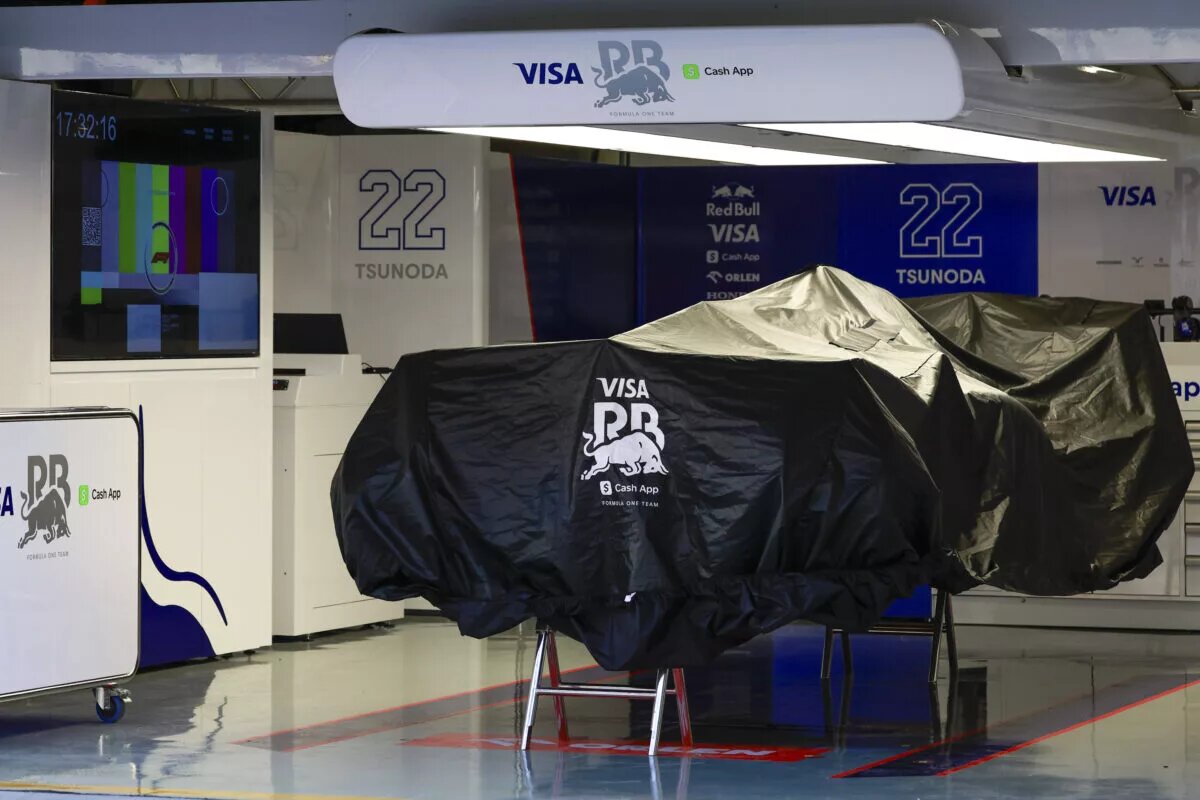
After the design and simulation phases, the single-seater comes to life through a highly specialised construction process.
Teams mainly uses carbon fibre for its lightness and strength, which are essential to ensuring safety and maximising performance. They also use other advanced materials, such as titanium alloys and aluminium, for specific components.
The assembly requires precision and advanced technology, with technicians installing each component with millimetre accuracy.
To top it off, strict quality controls monitor every stage to ensure the car meets the required standards for both safety and performance
Testing: from the Laboratory to the Formula One Track
Once built, the single-seater goes through a series of severe tests to ensure its safety and performance.
On the one hand, static tests verify the structural strength of the chassis and suspension by simulating the extreme forces they will endure during a race.
On the other hand, dynamic tests analyse the behaviour of the vehicle in motion. They examine braking, acceleration and suspension performance.
The key moment is the first shakedown, the debut of the single-seater on the track. In this initial phase, drivers and engineers collect valuable data on the real performance of the car, monitoring any problems and improving the setup.
A Combination of Human Intelligence and Advanced Technology
The birth of a single-seater is a journey combining human ingenuity and advanced technology. Each stage, from simulation to construction, pushes the limits of performance and ensures safety.
This process, always evolving, represents the essence of motorsport. A continuous search for excellence and innovation, where every detail can make the difference between victory and defeat.
READ NEXT: Nissan Formula E Team Take Center Stage with Stunning Victory in Mexico City