
During the 2022 F1 season in Suzuka, Max Verstappen was crowned Formula One World Champion for the second time in his career. However, that was not the news that made the headlines that weekend.
The 2022 Japanese GP was a chaotic one, to say the least, with unfriendly weather conditions the trigger. F1 has had a great number of iconic wet races. In recent years though, rainy days have meant little to no racing, and in some cases controversy.
The Japanese Grand Prix is supposed to be a 53-lap race around the Suzuka International Racing Course. However, in 2022, it was only a 28-lap race.
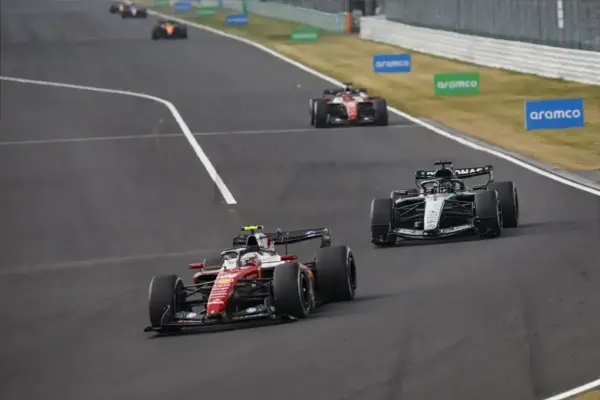
It had been raining a while before the race was scheduled to start but still, the race got underway as planned. However, only two laps in the safety car was called out. This was due to the intense spray leading to very low visibility and a series of incidents including Carlos Sainz crashing out. With the rain intensifying, Race Control decided to red-flagged the race shortly after.
The race eventually resumed. However, because of the lengthy delay and the fact the overall 3-hour race limit clock was ticking, the race would be shorter. 2 hours 15 minutes after the initial race start, there was a rolling start, with a few laps behind the safety car. With 39 minutes left on the clock, the race was back on.
Max Verstappen later crossed the line first, with Cahrles Leclerc and Sergio Perez in P2 and P3 respectively. However, Leclerc received a 5-second penalty, leading to Perez being promoted to P2, and the Dutchman being named World Champion.
It may seem like everything ran as smoothly as they could with the heavy rains. However, a few decisions had eyes turning to Race Control. A scary Pierre Gasly near incident as well as how the points were handed out had heads turning.
Pierre Gasly v Race Control
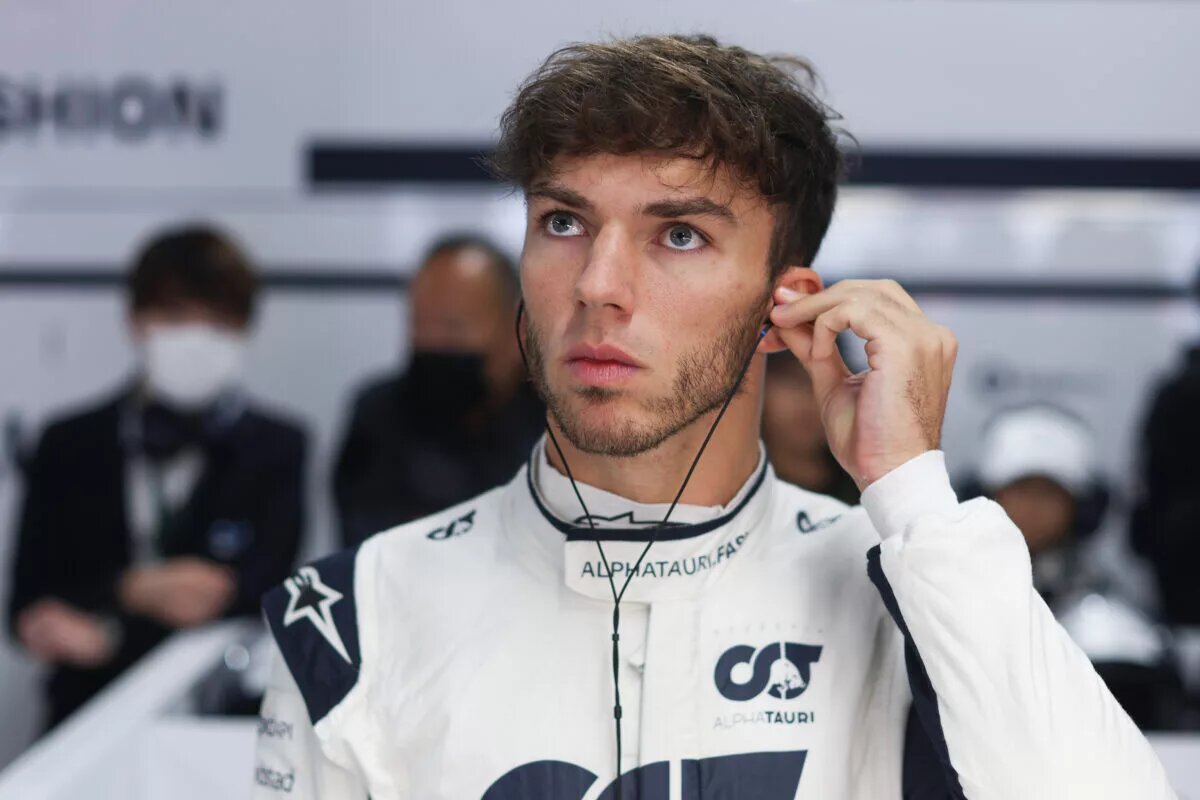
Following the chaos on lap 2 of the Japanese GP, the safety car was called out. Pierre Gasly had to go into pits where he changed his front wing. He rejoined the track and was trying to catch up to the pack of the track. As he was trying to do so, just two seconds before the red flag was shown, Pierre Gasly passed a recovery vehicle that was on the track. Under very poor visibility, Gasly narrowly missed the vehicle, luck on his side.
Understandably, the then Alpha Tauri driver was angry. Gasly claimed that he could have killed himself if he had lost control and hit the vehicle, even at a reduced speed. Gasly also said that the incident was “disrespectful” to the memory and family of his childhood friend Jules Bianchi. Bianchi tragically lost his life from head injuries following a crash into a recovery vehicle after aquaplaning off the track in the 2014 Japanese GP.
Race Control gave Gasly a drive-through penalty, which saw 20 seconds added to his race time. He received this penalty for speeding under the red flag. Race Control’s decision to penalise Gasly only angered many. The FIA was being ridiculed for not investigating its procedures, as they had put a driver’s life at risk. Gasly’s near incident was too reminiscent of Jules Bianchi’s death. And the FIA’s inability to take full responsibility for both cases up till this day is concerning.
Let's make this clear. Should Gasly have been going more slowly? Yes.
Should there have been a tractor on track at that spot in those conditions with a car catching up with the pack? Abso-f***ing-lutely not.#F1 #JapaneseGP
— Chris Medland (@ChrisMedlandF1) October 9, 2022
Verstappen handed full points and WDC
Max Verstappen was crowned F1 World Champion at the 2022 Japanese GP. However, following the chaotic race, it was not expected, not even by the Verstappen or Red Bull themselves.
With less than 75% of the scheduled race distance completed, it was assumed that Verstappen wouldn’t receive full points, leaving him one point shy of clinching the championship. To the shock of many, full points were awarded to the drivers. With Leclerc’s penalty, Verstappen had therefore earned enough points to claim the title as his. Verstappen himself expressed shock in the cooldown room upon learning that he had been declared champion.
The confusion stemmed from a rule alteration implemented for the 2022 season. Traditionally races halted to such an extent as this GP would see half-points awarded. However, the wording of the new regulation only applies if a race is suspended and cannot be resumed. As the race resumed and concluded prematurely, the FIA opted to award full points based on a strict interpretation of the regulations, sidestepping the gradual scale points system introduced for 2022, which had been implemented due to dissatisfaction with points allocation at the 2021 Belgian Grand Prix.
Ahead of the 2023 championship, the F1 Commission agreed to amend the regulation’s language to ensure that all races where less than 75% of the race distance is completed now utilize the sliding scale system for determining points, regardless of whether they conclude under red or green flag conditions. This adjustment aligns with the original intention of the incremental points system introduced in 2022.
The FIA has been under scrutiny for inconsistency and their own interpretations of their own rules, with an incident as recent as the 2024 Australian Grand Prix.