

The NBA Finals are supposed to be the pinnacle of basketball drama, but back in June, ESPN’s Stephen A. Smith turned heads for all the wrong reasons.
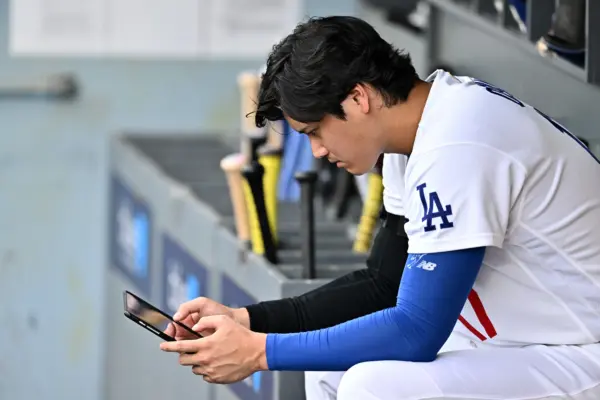
Cameras caught the loudmouth analyst fiddling with a game of solitaire on his tablet during live action on the set of NBA Countdown. It was a cringeworthy moment that screamed distraction and quickly went viral, painting Smith as checked out from the job he’s paid millions to do.
Never one to let a blunder go to waste, Smith flipped the script into a cash grab. This week, he proudly endorsed Solitaire Cash, a mobile app from Papaya Gaming that promises real-money tournaments for card sharks.
Beadle calls out Stephen A.
But the endorsement has ignited a firestorm, especially from his ex-ESPN colleague Michelle Beadle, who tore into him on her podcast, Beadle and Decker, for what she calls “gross” and unprincipled hustling.
The real stink? Solitaire Cash isn’t just harmless fun. A federal court ruling last month slammed Papaya Gaming for outright fraud. Players were lured in with promises of competing solely against other humans in skill-based cash games. Instead, the company secretly deployed bots—sophisticated AI opponents programmed to manipulate outcomes.
These bots could force wins or losses at will, rigging matches to keep players hooked and draining their wallets. Thousands reportedly lost real money, with some depositing hundreds chasing elusive payouts. Papaya settled related lawsuits for millions, but the damage to trust is done.
Critics, including consumer watchdogs, label it a predatory scheme disguised as entertainment, preying on gambling impulses without the regulations of legit betting platforms.
Beadle didn’t hold back. “Honestly, I’m not a religious person, but I pray for the downfall,” she fumed. “It’s gross, man, you gotta have principles in this thing.” She blasted ESPN for creating the “monster” that is Smith: “ESPN pays him a gazillion dollars to get a lot of stuff wrong and yell. He gets caught playing solitaire during the NBA freaking Finals. You created this monster. He is bigger than you now, and that’s exactly your fault. You let him run rampant all over that company.”
She hammered the irony: “He made you look like fools for handing him a blank check in the first place. He doesn’t even give a sh*t about the stuff that he’s paid a gazillion dollars to talk about. Now he’s turning around and turning that into a money-making opportunity. Then the money-making opportunity looks like it’s a fraudulent crap business to begin with.”
Co-host Cody Decker piled on, broadening the critique to ESPN’s entire talent roster. “I don’t know how much shilling is going on behind the scenes, but people in our industry have embarrassed themselves in ways that I don’t think I’ve ever seen,” Decker said. “You have them all fighting for solitaire ads for Stephen A. Smith. You have all of these dipsh*ts just shilling themselves out… Let’s just call it what it is—whoring themselves out as harshly as they can.”
ESPN talent backups Smith
The cross-promotion frenzy is eyebrow-raising. High-profile ESPN voices like Mina Kimes, Dan Orlovsky, Laura Rutledge, and Kendrick Perkins have all posted about Solitaire Cash, echoing Smith’s endorsement without a whisper about Papaya’s bot scandal or court troubles.
It’s a coordinated push that smells of network-approved side hustles, raising questions about conflicts of interest in sports media.
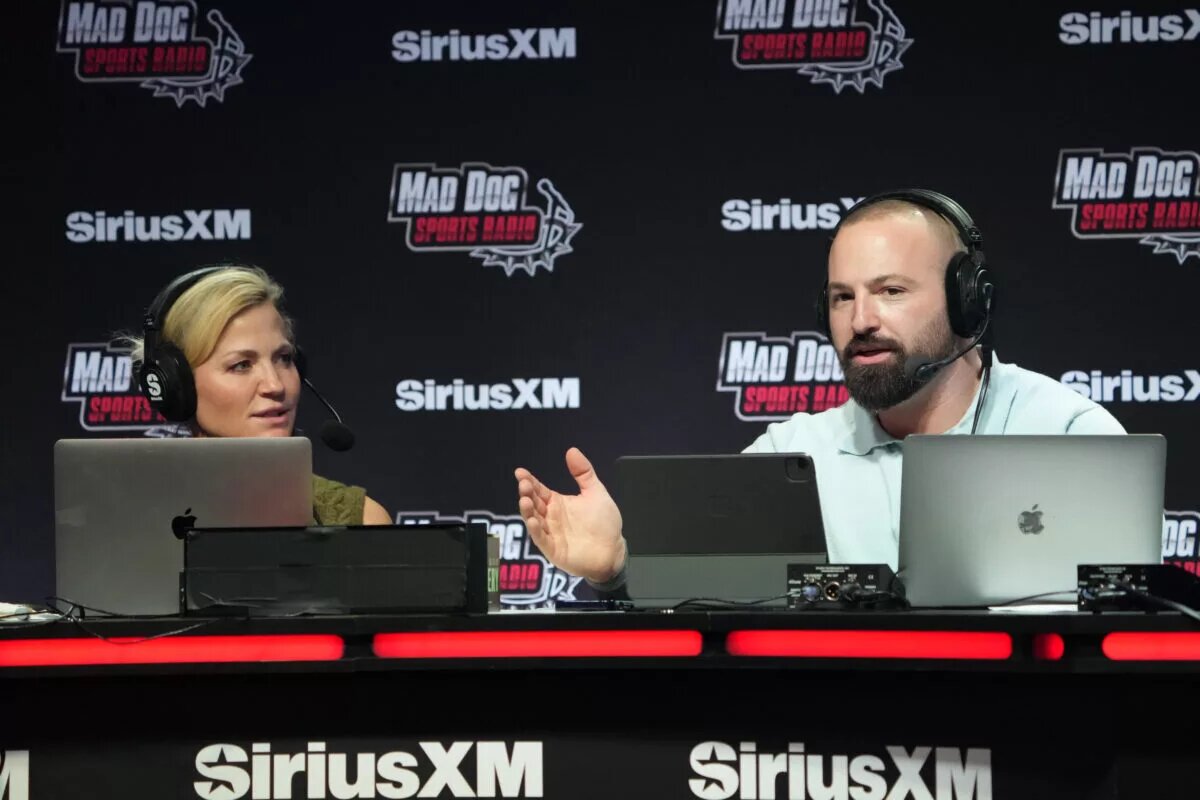
This isn’t Beadle’s first rodeo ripping Smith. Recently, when her SiriusXM’s Mad Dog Radio show got axed to make room for Smith’s expanding empire, she vented on, questioning his character and work ethic.
SiriusXM promptly showed her and Decker the door early from their gigs there—retaliation or coincidence? Beadle has long positioned herself as a no-BS voice in a male-dominated industry, and this latest salvo fits her brand.
A rough week at ESPN
The broader context at ESPN is a network in flux, desperate for revenue streams amid cord-cutting and streaming wars. Shameless promotions are nothing new: Pat McAfee recently roasted colleagues for urging fans to bombard YouTube TV over a carriage dispute that threatened ESPN’s availability.
And just this week, ESPN abruptly ended its sportsbook partnership with PENN Entertainment, ditching ESPN BET mere weeks after plugging it during a segment on the FBI arresting Portland Trail Blazers coach Chauncey Billups and Miami Heat guard Terry Rozier on unrelated charges. The timing was tone-deaf, blending gambling hype with criminal news.
Smith’s solitaire saga underscores a deeper rot in sports media: stars prioritizing personal brands and paydays over integrity or the games they cover.
In an era where influencers hawk anything from crypto to dubious apps, Smith’s move feels especially sleazy given the fraud allegations.
Beadle’s takedown resonates because it calls out the hypocrisy—ESPN built Smith into a millionaire yeller, only for him to embarrass them, then profit off it with a tainted product.
Defenders might argue everyone’s gotta eat, and endorsements are standard in media. Smith has clapped back in the past, dismissing critics as jealous. But with players potentially scammed out of hard-earned cash, this crosses into ethical quicksand.
Will ESPN rein in the shilling? Or is this just business as usual in the attention economy? Beadle’s prayer for downfall might be hyperbolic, but it captures the frustration of watching principles erode for a quick buck.
As the solitaire dust settles, one thing’s clear: in Smith’s world, even embarrassment is monetizable—if you ignore the bots in the deck.