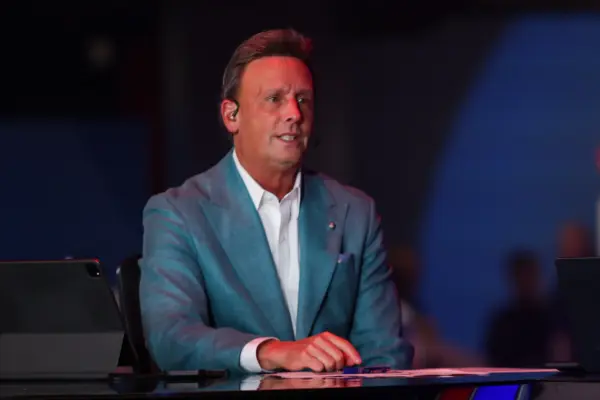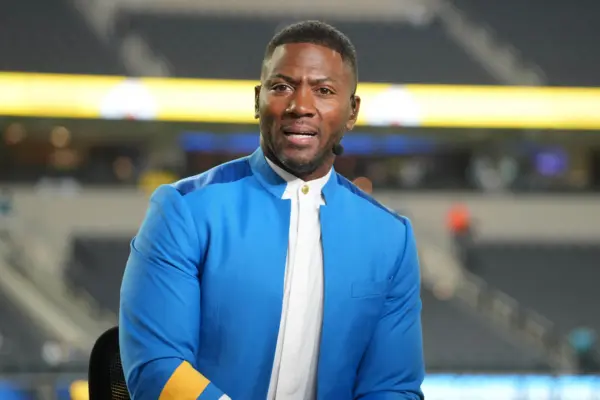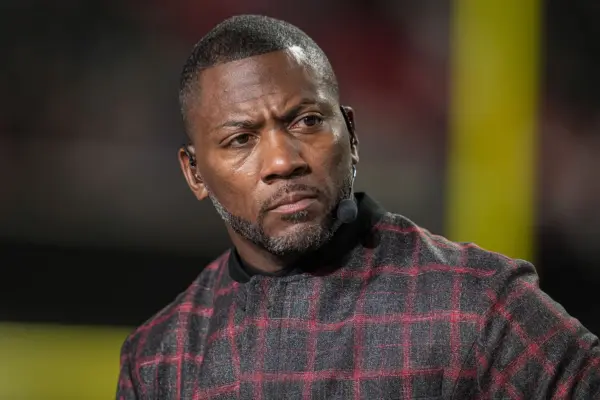

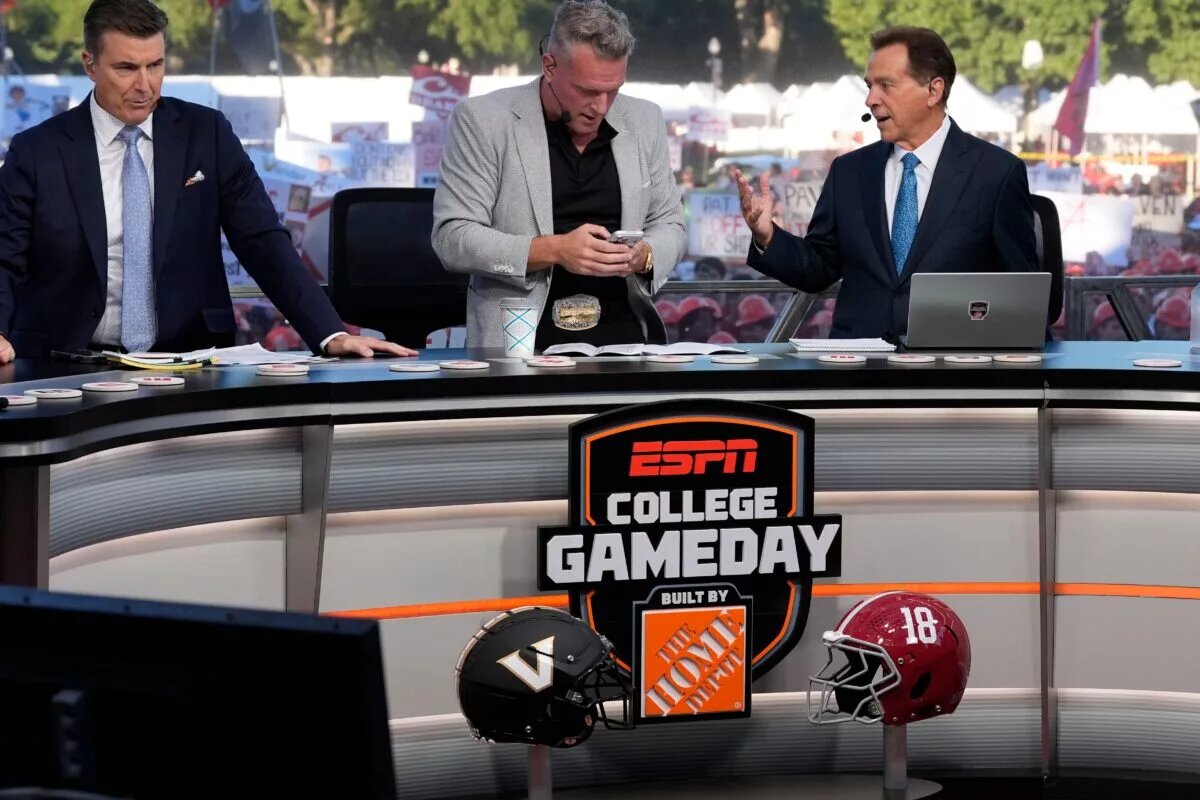

Just one day after Disney pulled all of its programming off YouTube TV due to a carriage dispute, one of the networks rubbed salt in the wound of the provider’s college football fans. ESPN announced that viewers could watch College Gameday, its three-hour Saturday pregame show for free on the ESPN app. Co-host Pat McAfee also announced the show would stream live on his X account.
LADIES AND GENTLEMEN..@CollegeGameDay LIVE FROM BEAUTIFUL SALT LAKE CITYhttps://t.co/HRfclAjrPY
— Pat McAfee (@PatMcAfeeShow) November 1, 2025
Disney and Google, which owns YouTube TV, are currently in a dispute over carriage of Disney’s family of networks, which in addition to ESPN and its family of networks includes ABC, Nat Geo, FX, and the Disney Channel. Google claims that Disney’s fee request would force the television provider to again raise its price to consumers, giving its own streaming services (Hulu + Live TV and Fubo) an unfair advantage. Disney in turn accused Google of denying its customers of some of its most-watched content.
What Might ESPN Do Next To Draw Viewers Away From YouTube TV?
Disney could dig in for a long blackout to get its fee demands
With the two sides unable to come to an agreement on what the provider should have to pay for the rights to air Disney’s broadcasts, it makes sense that the network would look to do whatever it takes to strengthen its stance as to why it deserves the carriage fees it desires.
Owning a competitor to YouTube TV (albeit one with about half the subscriber base), Disney could look to try and get as many YouTube TV subscribers to make the jump to Hulu + Live TV as they can. The service already offers a free trial for new users, but one possibility is offering the trial to YouTube TV subscribers, even if they aren’t new subscribers, with proof of cancellation of Google’s service. Hulu + Live TV would also give those subscribers a free subscription to ESPN’s direct-to-consumer unlimited service, which is currently not available for YouTube TV subscribers.
Those sort of moves would certainly draw a line in the sand between the network and the provider, but also could determine just which side has the stronger argument to its case.