
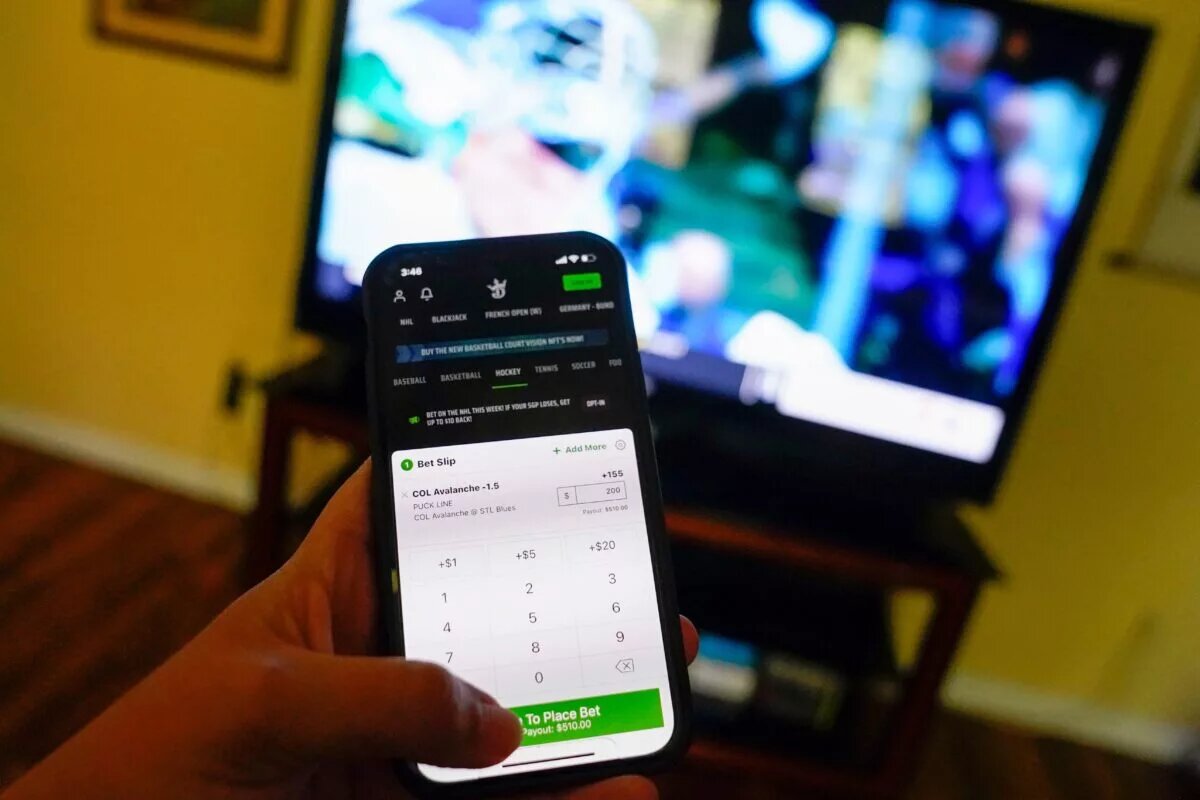

ESPN and Penn Entertainment have mutually agreed to terminate their sportsbook partnership, with ESPN BET set to cease operations on December 1.
In its place, ESPN has forged a new sports betting alliance with DraftKings, while Penn Entertainment will rebrand the platform as theScore BET. Despite common misconceptions, ESPN BET was wholly owned and operated by Penn Entertainment, which licensed the ESPN brand through a paid branding and marketing agreement.
Bad optics with NBA FBI investigation
The timing of the announcement is notable, arriving amid intense scrutiny of ESPN’s on-air sportsbook promotions—particularly as the network covered the FBI arrests of Portland Trail Blazers head coach Chauncey Billups and Miami Heat guard Terry Rozier.
The optics of promoting gambling while reporting on high-profile legal issues involving athletes fueled criticism over potential conflicts of interest.
RIP ESPN Bet.
We’ll cherish this moment forever. pic.twitter.com/Uf2znj2KZZ
— Dylan Dittrich (@DylanDittrich) November 6, 2025
Was does the NFL’s deal with ESPN have to do with it?
Adding another layer of complexity is ESPN’s pending acquisition of NFL Media, with the NFL taking a 10% equity stake in ESPN. While neither the league nor the network would directly own a sportsbook, their deepening partnership raised concerns about perceived entanglements with gambling. As long as ESPN remained tied to Penn Entertainment, both ESPN and the NFL had a vested interest in ESPN BET’s success—a dynamic many viewed as amplifying existing conflict-of-interest worries.
Critics have long argued that the NFL-ESPN deal alone strains journalistic independence. Layering in a branded sportsbook was seen by some as crossing into problematic territory, creating unfavorable optics at best. Notably, the FCC has yet to approve the NFL Media transaction, meaning Penn’s exit will occur before the league formally becomes a partial owner of ESPN.
The partnership lasted only two years of a planned 10-year term. Penn originally committed $1.5 billion to license the ESPN brand, plus $500 million in stock options to ESPN. With eight years remaining, both sides have chosen to walk away early.
Commercially, ESPN BET was a clear underperformer. In major legal betting markets, it captured just low single-digit market share—nowhere near Penn’s goal of 20% by 2027. The decline was stark: ESPN BET now holds seventh place with a 2.8% handle share, down from fifth and 3.3% a year earlier, having been surpassed by Fanatics and bet365.
Jay Snowden, CEO and President of Penn Entertainment, acknowledged the gap in a statement: “When we first announced our partnership with ESPN, both sides made it clear that we expected to compete for a podium position in the space. Although we made significant progress in improving our product offering and building a cohesive ecosystem with ESPN, we have mutually and amicably agreed to wind down our collaboration. We plan to refocus our digital strategy on our growing iCasino business, while continuing to capitalize on our omnichannel advantage as the nation’s leading regional retail casino operator.”
ESPN President Jimmy Pitaro emphasized the partnership’s user acquisition success despite the outcome: “Together, ESPN and PENN created a truly unique offering with unparalleled integrations across our various media assets. ESPN drove over 2.9 million new users into the PENN ecosystem, with a strong uptick in first-time bettors this fall. We appreciate the collaboration we had with PENN and are now pursuing other media and marketing opportunities within this space.”
Financial terms of ESPN and Penn’s split
Per a Front Office Sports report, Penn executives explored exiting the deal as early as February. Financial strain was evident: The company reported a $109.8 million adjusted fourth-quarter loss in 2024 from its interactive division, which included ESPN BET’s online operations.
Under the separation agreement, Penn will pay Disney $38 million to settle remaining obligations before the December 1 shutdown. An additional $5 million will go to ESPN afterward for traditional media promotions supporting theScore BET and/or Penn’s Hollywood iCasino.
Penn retains full control of ESPN BET’s nearly 3 million-user database—built over two years, including 300,000 sign-ups during the current football season. This asset will be critical in migrating users to the rebranded platform.
ESPN BET originated as a rebrand of the Barstool Sportsbook. Penn, which then owned Barstool Sports, sold the company back to founder Dave Portnoy for $1 to clear the way for the ESPN licensing deal and meet regulatory requirements.
Looking ahead, ESPN’s partnership with DraftKings will be an endorsement and marketing collaboration—not a rebrand of the DraftKings platform. By contrast, Penn’s deal with theScore involves a complete rebrand to theScore BET. No financial terms for either new agreement have been disclosed.
The dissolution reflects the brutal realities of the U.S. sports betting market, where FanDuel and DraftKings dominate with double-digit shares in most states. For Penn, the pivot allows a sharper focus on iCasino growth and leveraging its nationwide network of over 40 retail casinos for cross-promotion.
ESPN, meanwhile, preserves its media dominance without operational exposure to betting, potentially easing ethical concerns while still monetizing gambling’s surge through strategic promotions. The short-lived ESPN BET experiment underscores a key lesson: even with unmatched brand integration and promotional firepower, displacing entrenched leaders in a capital-intensive, tech-driven industry is no small feat.
Analysts note that theScore BET has already had success as a sportsbook in Canada, and will now attempt to replicate its brand-growth in the United States.
For DraftKings, ESPN’s promotional inventory—spanning TV, digital, fantasy, and podcasts—offers a powerful boost in user acquisition and brand visibility.
Ultimately, this split enables both parties to realign with evolving priorities. Penn cuts losses on a lagging digital sportsbook, while ESPN avoids deeper entanglement as it integrates NFL ownership.
As sports betting legalization spreads and industry revenue climbs toward a projected $10 billion annually by 2028, the ESPN BET chapter closes as a high-profile case study in ambition, integration, and the limits of brand leverage in a fiercely competitive space.