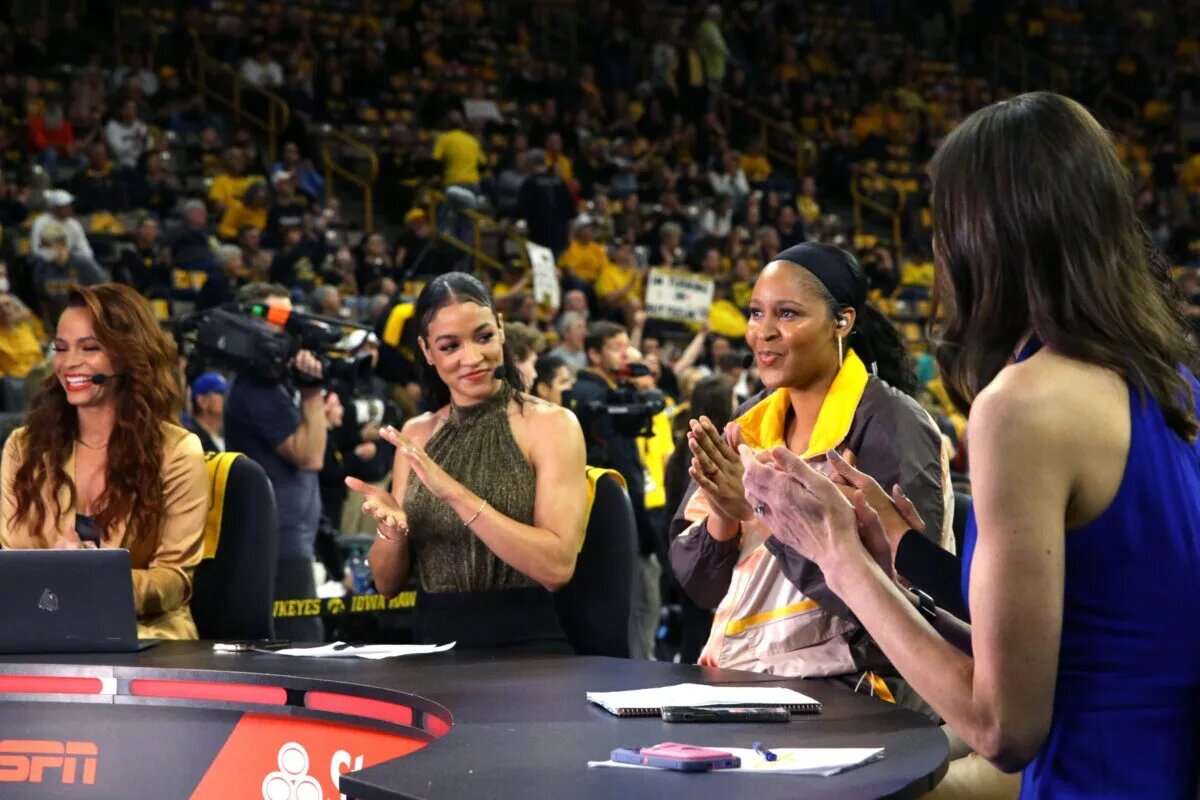
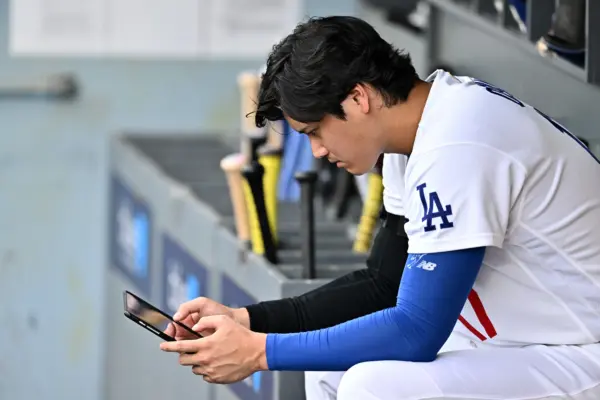
ESPN has unveiled Women’s Sports Sundays, a new primetime programming block set to debut in the summer of 2026. This franchise will anchor Sunday nights with live matchups from the WNBA and the National Women’s Soccer League (NWSL), filling the void left by the long-running Sunday Night Baseball, which concluded its 36-season run on the network after Major League Baseball shifted its national rights to NBC.
ESPN goes all-in on women’s sports
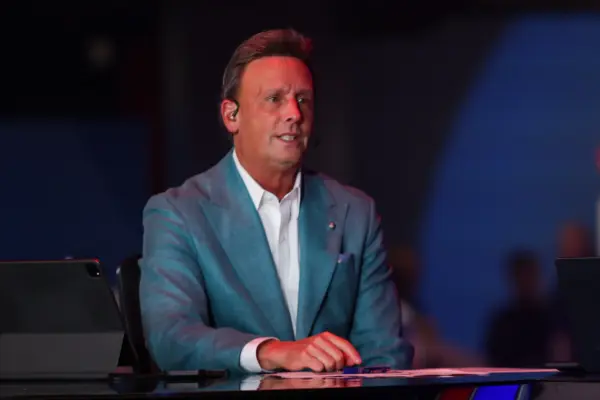
Spanning nine consecutive weeks and featuring 12 games, the initiative aims to capitalize on the surging popularity of women’s sports, offering fans a consistent destination for high-stakes rivalries and star-powered action. According to ESPN Executive Vice President of Programming & Acquisitions Rosalyn Durant, “Women’s sports are experiencing continued momentum, and Women’s Sports Sundays is ESPN’s next step in meeting that demand. This franchise is about more than showcasing games — it’s about building a consistent, high-profile destination that reflects the passion, excellence and cultural impact of women’s sports today, while giving athletes and leagues the stage they deserve.”
The programming will be bolstered by ESPN’s full media arsenal, including studio analysis, in-depth storytelling, and extensive digital coverage, creating an immersive experience for both die-hard followers and newcomers. The announcement comes at a time when women’s sports are undeniably on the rise. The NWSL, for instance, has seen impressive growth in recent years. In 2025, the league reported a 22% increase in linear viewership year-over-year, with its championship game drawing a record 1.184 million viewers on CBS—a 22% jump from 2024. On ESPN platforms specifically, NWSL games averaged 228,000 viewers, up 61% from the previous season.
The WNBA has also enjoyed a ratings boom, fueled by emerging stars and expanded media deals, though exact figures for 2025 highlight the league’s vulnerability to key player absences. Yet, this pivot has sparked significant debate, questioning whether ESPN is making a savvy investment or a risky gamble.
One major concern is the short-term commitment to the WNBA, which faces the very real threat of a lockout that could derail its 2026 season entirely. The league’s collective bargaining agreement expired in October 2025, and negotiations between the WNBA and the Players Association have been fraught with tension. As of mid-February 2026, talks remain at a standstill, with the union pushing for a larger revenue share—up to 27.5%—while the league has labeled such demands “unrealistic,” warning of massive financial losses. Without a deal soon, a strike or lockout is increasingly likely, potentially delaying the season’s May start.
Could Women’s Sports Sunday backfire?
This uncertainty looms large over ESPN’s plans, as a disrupted WNBA schedule could leave Women’s Sports Sundays scrambling for content. Adding to the skepticism is the WNBA’s heavy reliance on superstar Caitlin Clark as its primary ratings magnet. The Indiana Fever guard has been a phenomenon since her 2024 rookie year, drawing massive audiences with her sharpshooting and playmaking. However, Clark’s availability is far from guaranteed. In 2025, she played only 13 games before a groin injury sidelined her on July 15, followed by an ankle setback during recovery, forcing her to miss the rest of the season and the playoffs.
Even if healthy, Clark’s games won’t air every Sunday, diluting her impact on the franchise. Without her, viewership could suffer, as she’s often credited with elevating the league’s profile single-handedly.
Cost considerations also factor into the critique. Replacing Sunday Night Baseball—a proven ratings draw with high rights fees—with women’s sports programming appears to be a budget-conscious decision. ESPN’s MLB deal ended amid financial pressures, and airing WNBA and NWSL games, which come with lower rights costs, allows the network to repurpose existing inventory without massive new investments.
Detractors argue this is a shortcut rather than a bold strategy, opting for cheaper options over acquiring premium rights to top leagues or developing original content like documentaries or talk shows. As sports radio host
Craig Carton bluntly put it, “Disney just killed ESPN,” predicting a ratings nosedive.
While the NWSL has indeed grown—boasting digital streams up 30% and 2.62 billion minutes watched in 2025—its overall ratings remain modest compared to MLB’s historical benchmarks. Sunday Night Baseball routinely pulled in millions, whereas NWSL games, even at their peak, hover in the hundreds of thousands. This disparity raises questions about whether Women’s Sports Sundays can hold prime-time real estate, especially on what many consider the best night for TV viewing.
Furthermore, some see this as ESPN prioritizing a niche demographic—younger, female viewers—over its broader, traditionally male-dominated audience. By ceding this “valuable real estate” to an “unproven product,” ESPN risks alienating its core viewership, even as it courts the growing women’s sports fanbase.
Still, supporters applaud the move as forward-thinking. With women’s sports shattering records— from sold-out arenas to skyrocketing merchandise sales—ESPN is positioning itself at the forefront of a cultural shift. The network retains midweek MLB games under its deal, softening the blow of losing Sundays.
If negotiations resolve favorably and stars like Clark return strong, Women’s Sports Sundays could redefine summer viewing. But with labor strife and ratings uncertainties, this experiment carries high stakes. Only time—and viewership numbers—will tell if it’s a home run or a strikeout.