
When LIV Golf launched in 2021, the PGA Tour didn’t take it seriously. Backed by Saudi Arabia’s Public Investment Fund, the new league promised players a different format, guaranteed payouts, and global reach. At first, it didn’t look like LIV Golf would be a real threat to the Tour — but a few years later, that same “startup” is forcing golf’s biggest institution to rethink everything, from its money structure to how it runs the game.
LIV Golf Challenges The Status Quo
LIV Golf’s entry into the golf landscape put it in direct competition with the PGA Tour for players, sponsors, and venues. The new league quickly made its mark with several unique features that set it apart from its long-established rival. Its events feature 54 holes (hence the name: LIV = 54 in Roman numerals) rather than the usual 72. Fields are smaller, there are no cuts in most events, and players receive massive guaranteed money.
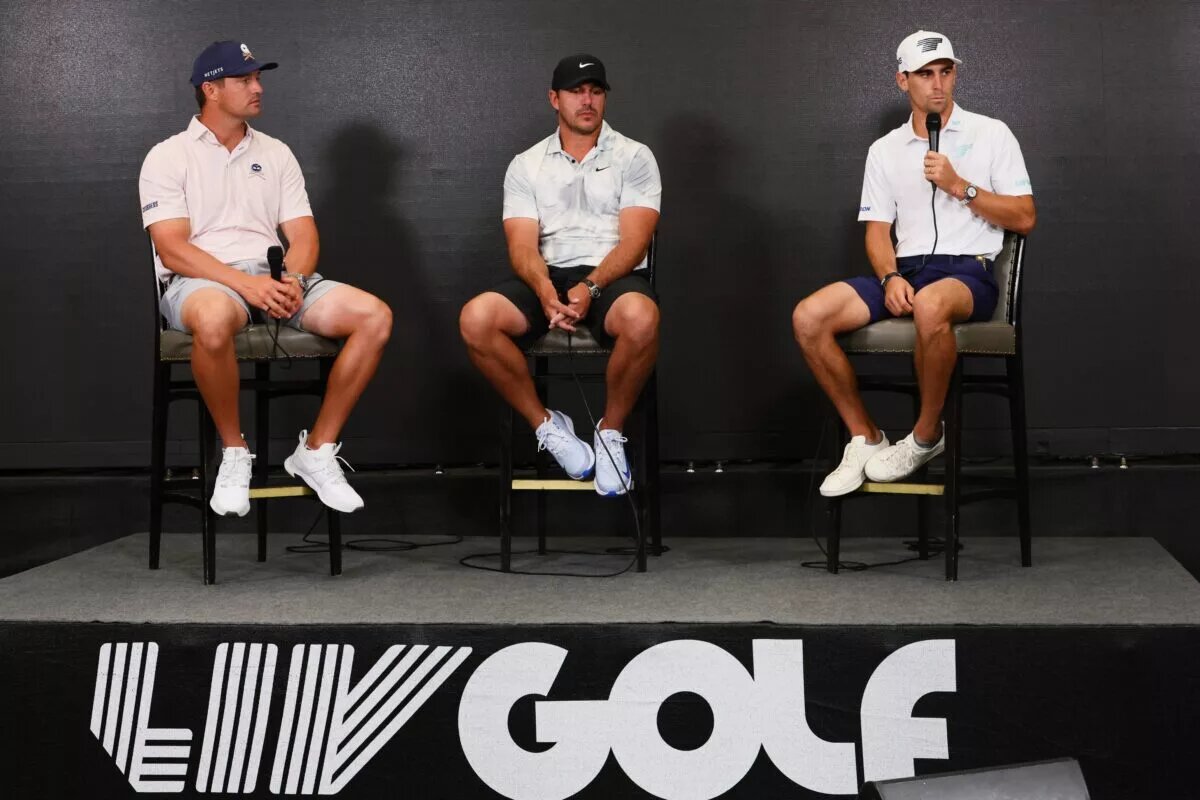
Several big names, including Brooks Koepka, Bryson DeChambeau, Cameron Smith, and Dustin Johnson, left the PGA Tour to join LIV. The Tour responded with bans and suspensions for players who took part in the rival series.
One of the biggest shifts has been around prize money and how players are rewarded. LIV’s guaranteed-money model shook the Tour into action. The PGA Tour has since announced record prize purses for recent seasons and has changed how it classifies events to reward its top players.
The PGA Tour began rethinking its schedule after facing a challenge from LIV Golf, which offered fewer events, smaller fields, and new formats. In March 2023, the Tour board approved a new approach to the schedule that began in 2024, which introduced reduced fields in key events.
LIV emphasized global events and alternative formats, which put pressure on the PGA Tour’s more traditional, US-centric model. The Tour has begun to respond by exploring ways to appeal to a broader audience and give players more flexible opportunities, though progress is still ongoing.
Legal and Commercial Implications
LIV’s arrival also sparked major legal and commercial disputes that shocked the PGA Tour. Eleven players filed an antitrust lawsuit against the Tour in August 2022, claiming it unlawfully stifled competition by enforcing exclusivity and blocking players from other events.
However, the PGA Tour, LIV Golf, and the DP World Tour agreed in mid-2023 to merge their commercial operations into a new for-profit entity backed by the Saudi Public Investment Fund (PIF). This deal contradicted the Tour’s previous stance of resisting the Saudi-backed breakaway.
The PGA Tour now competes not only on the fairways but also in boardrooms, in courtrooms, and across global markets. The disruption brought by LIV has forced the Tour into a strategic reinvention of its business model.
Few people took LIV Golf seriously when it launched, but the league has changed the game more than anyone expected. Its emergence pushed the PGA Tour to rethink nearly everything — from how it pays players to how it connects with fans around the world. Whether you see it as progress or disruption, one thing is clear, golf won’t be going back to the way it was.
Main Photo Credit: © Sam Navarro-Imagn Images